Ukrainian forces struck more than 105,200 Russian targets using unmanned aerial systems during February alone, including 4,200 enemy pilot positions, according to data released by Ukraine's military command. The figures illustrate the dramatic transformation of warfare in Ukraine and the central role that drone technology now plays in combat operations.
The scale of drone operations represents a fundamental shift in how Ukraine prosecutes the war. The targets included fortified defensive positions, ammunition storage facilities, command posts, artillery positions, and logistics nodes—the full spectrum of military infrastructure required to sustain combat operations.
"Drones have become Ukraine's equalizer," said one military analyst who tracks the conflict. "They provide precision strike capability at a fraction of the cost of traditional artillery, and the numbers show how completely they've been integrated into Ukrainian military operations."
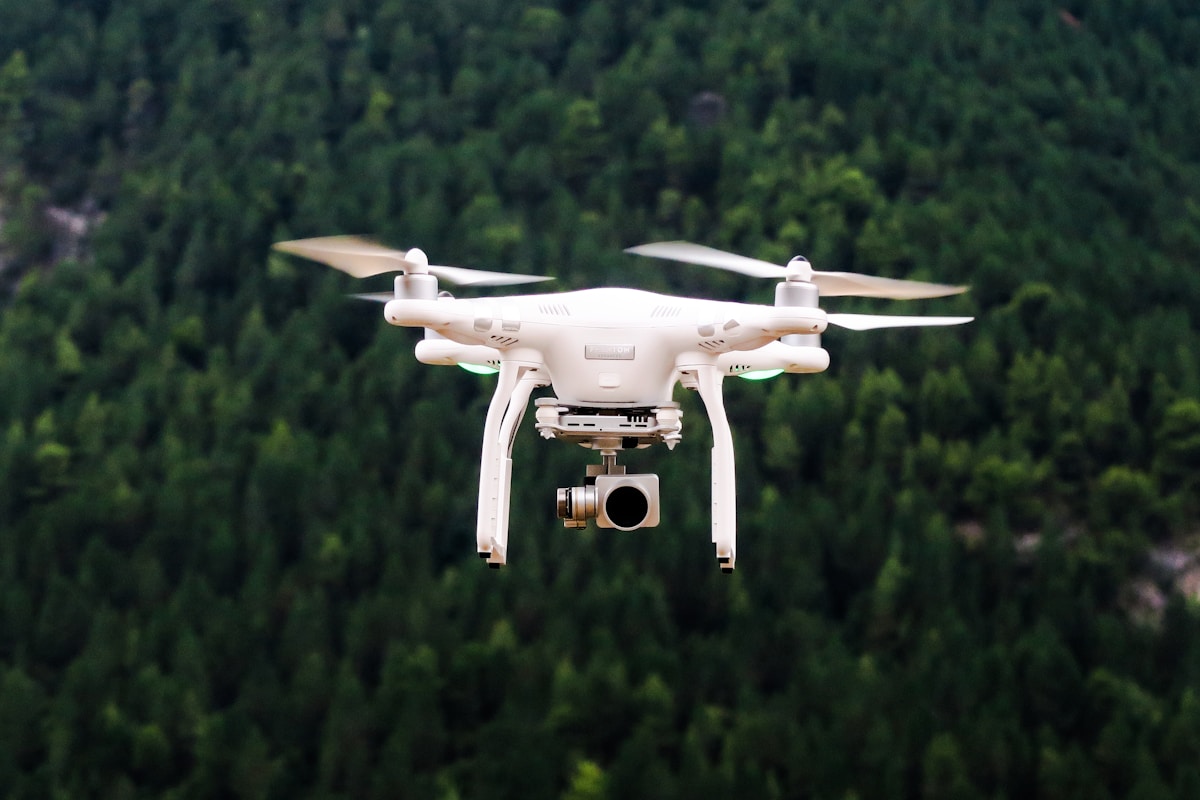
The February strike data translates to approximately 3,750 targets per day, a tempo that would be impossible to sustain using conventional artillery alone. Ukrainian forces employ a diverse array of drone systems, from small quadcopters modified to drop munitions on trench positions to larger fixed-wing platforms capable of striking targets deep behind Russian lines. Many are domestically produced, with Ukraine having rapidly scaled up indigenous drone manufacturing since the invasion began.
The 4,200 pilot positions struck represent a particularly significant category. These fortified positions shelter Russian drone operators who conduct reconnaissance and strikes against Ukrainian forces. By systematically targeting enemy drone pilots, Ukrainian forces degrade Russian reconnaissance capabilities and protect their own positions from aerial observation.
Drone warfare has evolved dramatically since the early months of the invasion. What began with commercial quadcopters adapted for military use has developed into sophisticated systems purpose-built for specific combat roles. now produces long-range strike drones capable of hitting targets hundreds of kilometers inside Russian territory, first-person-view (FPV) racing drones modified to serve as precision-guided munitions, and reconnaissance platforms that provide real-time battlefield intelligence.