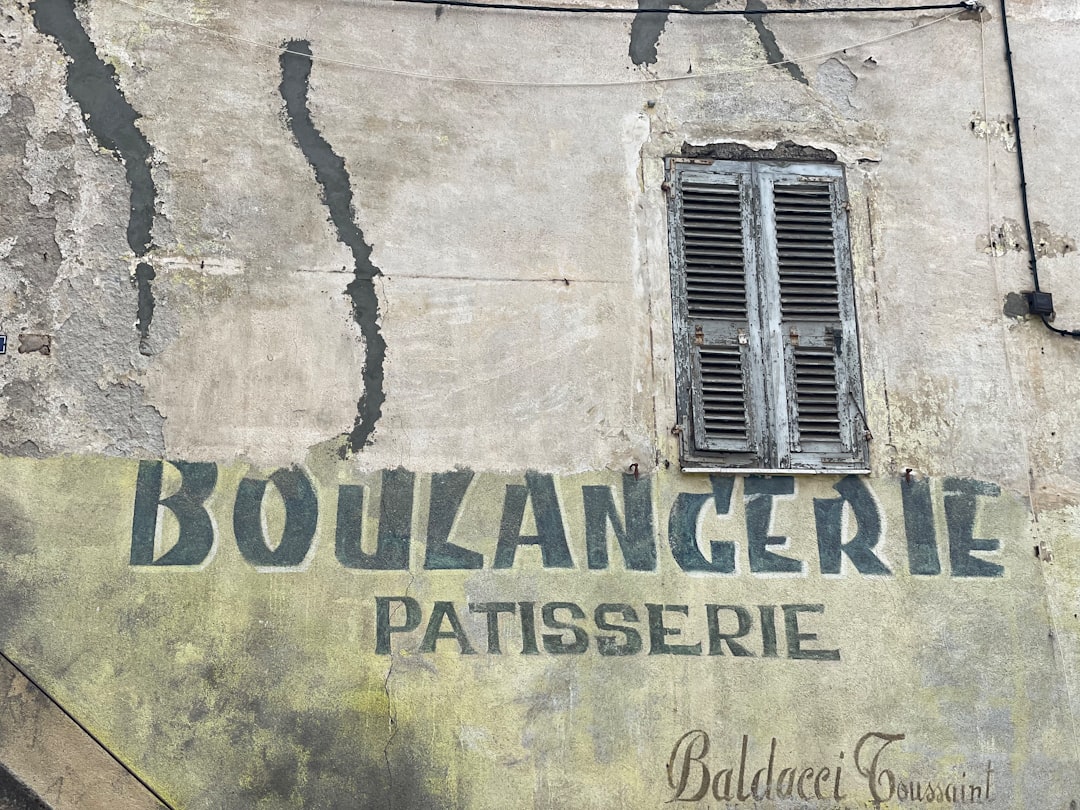
A telephone call from Defense Minister Sébastien Lecornu to a provincial baker facing a €5,000 fine for opening his shop on May 1st has crystallized the ideological fault lines running through contemporary French politics, transforming a routine labor law violation into a referendum on the Republic's foundational values.The baker, verbalized by authorities for operating his business on France's most sacred labor holiday, received a congratulatory call from Minister Lecornu—a gesture that La France Insoumise (LFI) immediately characterized as ministerial encouragement of lawbreaking. The left-wing party filed charges with the Court of Justice of the Republic, the specialized tribunal that adjudicates ministerial misconduct.In France, as throughout the Republic, politics remains inseparable from philosophy, culture, and the eternal question of what France represents. The May 1st controversy encapsulates competing visions of French society: the revolutionary tradition that made International Workers' Day a national holiday in 1947, versus the economic liberalism that views such restrictions as obstacles to entrepreneurship and consumer choice.The incident occurred as Emmanuel Macron's government continues its efforts to modernize French labor law, a project that has consistently provoked fierce resistance from unions and left-wing parties who view such reforms as attacks on hard-won social protections. That a cabinet minister would publicly celebrate violation of labor law represents either extraordinary political tone-deafness or calculated provocation—perhaps both.Minister Lecornu's intervention carries particular symbolic weight given his portfolio. Defense ministers in the Fifth Republic traditionally maintain distance from domestic political controversies, focusing instead on military affairs and strategic questions. His choice to wade into a labor dispute suggests either personal conviction or coordination with broader government strategy to normalize challenges to traditional labor protections.The legal mechanism chosen by LFI—the Court of Justice of the Republic—itself reflects French constitutional particularity. Created to try ministers for crimes committed in office, the court represents the republican principle that even the powerful must answer to the law. Whether LFI's complaint will proceed past preliminary examination remains uncertain, but the political theater serves its purpose: framing the incident as ministerial criminality rather than political disagreement.Beyond Paris, the incident resonates differently. In provincial France, where small businesses struggle with regulatory burdens and declining foot traffic, a baker choosing to open on May 1st appears less as revolutionary provocation than economic necessity. The €5,000 fine represents weeks of revenue for a small boulangerie, making the penalty's severity itself a political statement about which values the state prioritizes.The controversy emerged as French labor organizations held their traditional May Day demonstrations, with turnout figures becoming their own contested political metric. Union leaders pointed to the minister's intervention as evidence that the government holds labor rights in contempt, while government supporters countered that forcing a baker to close despite customer demand represents bureaucratic overreach inconsistent with republican liberty.As France approaches what promises to be contentious debates over pension reform and labor market flexibility, the baker incident establishes battle lines and tests political resolve. Can a minister congratulate lawbreaking? Should May 1st restrictions adapt to contemporary economic realities? These questions admit no easy answers in a republic still negotiating the tension between revolutionary heritage and modern capitalism, between solidarity and individual choice, between 1789 and 2026.
|