Ukrainian forces have launched a systematic drone campaign targeting Russian logistics routes, creating what military analysts are calling a 'highway of death' for Russian supply convoys. The campaign represents a significant evolution in drone warfare and poses growing challenges for Russia's ability to sustain its military operations.
According to reporting from The Guardian, Ukrainian drone operators have systematically targeted supply routes used by Russian forces to move ammunition, equipment, and personnel to the front lines. The tactics reveal vulnerabilities in Russian military planning and force Moscow to confront new realities in modern warfare.
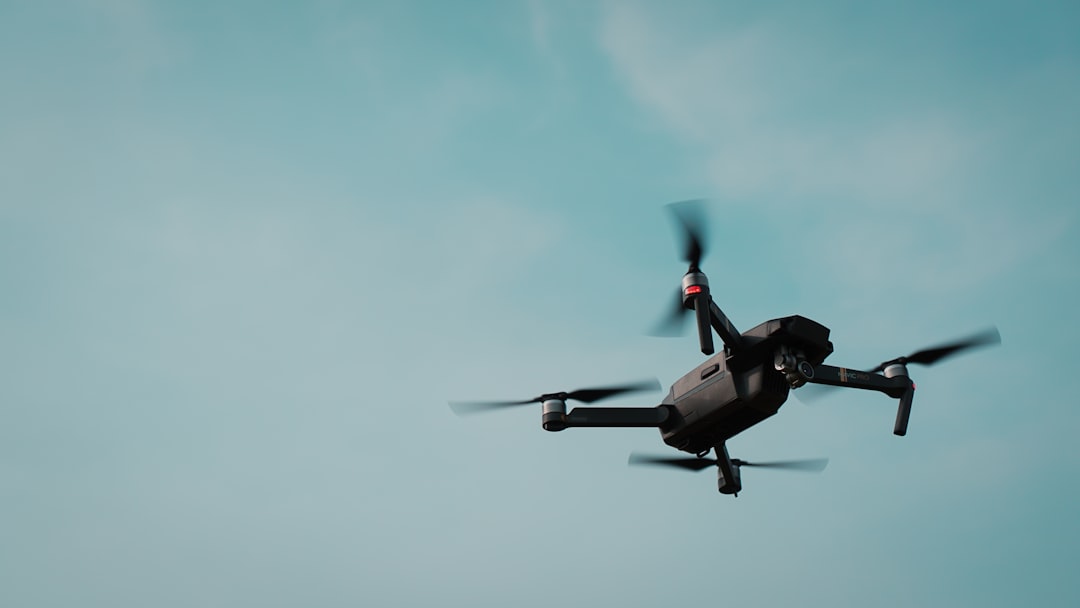
The campaign employs both reconnaissance and strike drones working in coordination. Small surveillance drones identify targets along known logistics routes, relaying coordinates to larger kamikaze drones that carry explosive payloads. This two-tier approach allows Ukrainian forces to strike with precision while minimizing their own exposure to Russian air defenses.
In Russia, as in much of the former Soviet space, understanding requires reading between the lines. While Russian military officials have acknowledged "challenges" in logistics, state media has downplayed the impact of Ukrainian drone strikes, instead emphasizing Russia's own drone capabilities and claiming successful interdiction of Ukrainian supply lines.
The systematic targeting of logistics reveals a strategic shift in Ukraine's approach to the conflict. Rather than focusing solely on front-line engagements, Ukrainian forces are attempting to degrade Russia's ability to sustain prolonged operations by cutting off the flow of supplies. This echoes historical military doctrine about the importance of supply lines, updated for the age of unmanned systems.
Military analysts note that Russia's extended supply lines, stretching hundreds of kilometers from rear bases to forward positions, create inherent vulnerabilities. The drone campaign exploits these weaknesses, forcing Russian forces to disperse convoy movements, travel under cover of darkness, and dedicate additional resources to air defense—all of which reduce operational efficiency.
The tactics also reflect Ukraine's adaptation to resource constraints. Unable to match Russia's conventional artillery and armor capabilities in direct engagements, Ukrainian forces have leveraged technological innovation and tactical creativity. Commercial drone technology, modified for military purposes, provides a cost-effective alternative to traditional air power.
Russian forces have responded by increasing electronic warfare capabilities along supply routes, deploying mobile anti-aircraft systems, and attempting to conceal movements. However, the sheer scale of logistics operations required to sustain Russia's forces makes comprehensive protection difficult, particularly given the growing sophistication of Ukrainian drone tactics.
The campaign's effectiveness underscores broader questions about modern warfare. As unmanned systems become more prevalent and accessible, traditional military advantages in armor and artillery may diminish relative to advantages in electronic warfare, reconnaissance, and adaptive tactics.