
Ukrainian forces executed a drone strike reaching 1,800 kilometers into Russian territory, marking the deepest penetration of the war and demonstrating Kyiv's rapidly expanding indigenous military capabilities despite Western restrictions on long-range weapons.
The operation, reported by Defense Ukraine, represents a fundamental shift in the conflict's strategic geometry. Ukrainian-designed and manufactured drones can now reach targets that Western-supplied missiles cannot, circumventing political limitations that have constrained Ukraine's ability to strike military targets on Russian soil.
"This changes everything about the war's operational calculus," a Ukrainian military source told Defense Ukraine. "We're no longer dependent solely on what our partners will allow us to strike."
The 1,800-kilometer range puts virtually all of Russia's western military infrastructure within reach, including airbases, command centers, ammunition depots, and logistics hubs that have supported the invasion of Ukraine. For comparison, the ATACMS missiles provided by the United States have a maximum range of approximately 300 kilometers, and Washington has imposed strict limitations on their use against Russian territory.
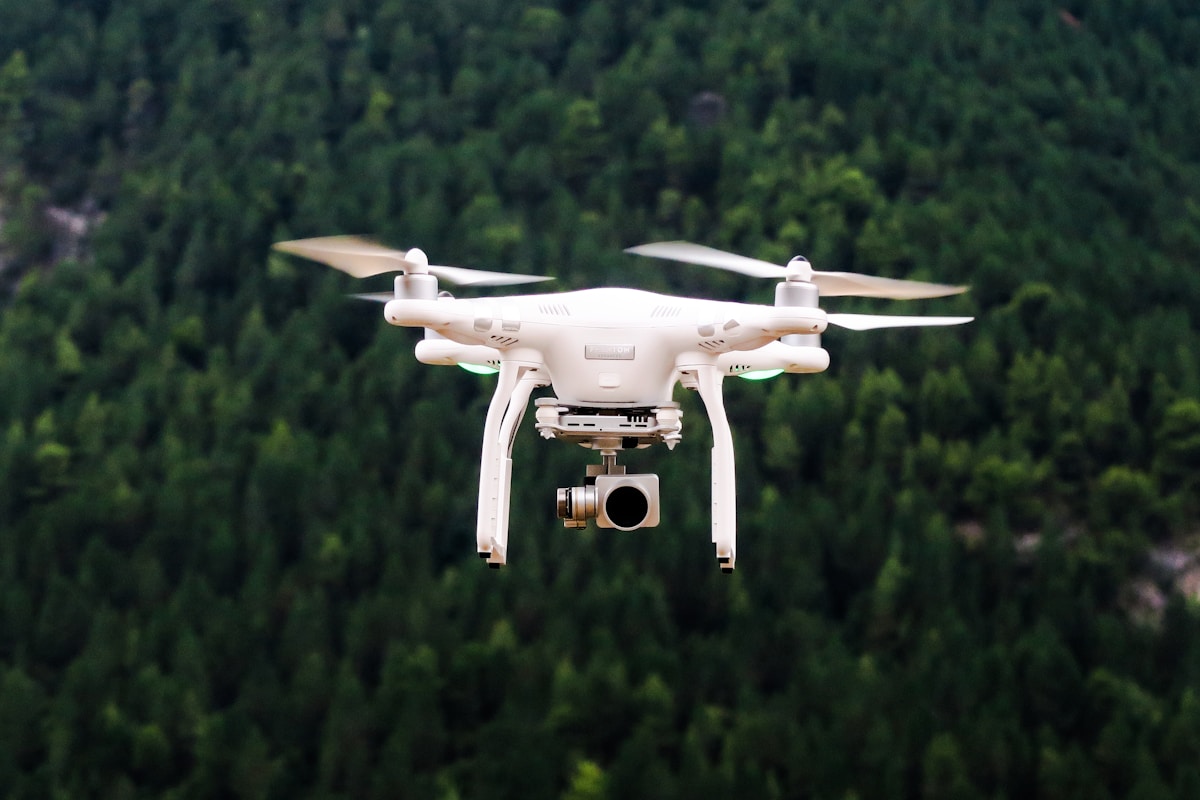
Ukraine has invested heavily in domestic drone production since the 2022 invasion, with President Volodymyr Zelenskyy announcing plans to manufacture millions of drones domestically. The program has evolved from basic commercial quadcopters adapted for military use to sophisticated long-range strike platforms capable of precision attacks deep behind enemy lines.
The strategic implications extend beyond individual strikes. By demonstrating the ability to hit targets across Russia's depth, Ukraine forces Russian commanders to disperse assets, dedicate resources to air defense across a vastly expanded area, and reconsider the safety of rear-area installations previously considered beyond Ukraine's reach.
"Indigenous production is about more than just military capability—it's about strategic autonomy," said a Ukrainian defense official. "When we rely on partner systems, we're subject to partner restrictions. When we build our own, we make our own decisions."
The development comes as Ukraine continues to navigate complex diplomatic terrain regarding Western military support. While allies have provided critical air defense systems, artillery, and armored vehicles, debate continues over restrictions on using Western weapons to strike Russian territory. Ukrainian officials argue these limitations allow Russia to mass forces and launch attacks from sanctuaries just across the border.
Ukrainian drone manufacturers have developed multiple long-range platforms, with reports suggesting some models can carry significant explosive payloads while maintaining enough fuel capacity to reach targets well over 1,000 kilometers away. The relatively low cost compared to traditional missiles—estimates suggest Ukrainian drones cost a fraction of the price of comparable Western systems—allows for sustained campaigns even with attrition rates.
In Ukraine, as across nations defending their sovereignty, resilience is not just survival—it's determination to build a better future. The domestic drone program exemplifies this principle, transforming Ukraine's defense industrial base while creating thousands of jobs and fostering technical innovation.
Russian officials have not confirmed the specific target or damage from the 1,800-kilometer strike, consistent with Moscow's pattern of minimizing reports of Ukrainian attacks on Russian territory. However, social media reports and satellite imagery analysts have documented numerous successful Ukrainian strikes on Russian military facilities in recent months.
The operational success demonstrates that technological innovation can shift strategic balances even when conventional military might remains asymmetric. Ukraine's drone program, built from near-zero industrial capacity in this sector before 2022, now poses a credible threat across Russia's strategic depth.
Military analysts suggest the psychological impact may equal the physical damage. Russian military planners must now account for Ukrainian strike capabilities reaching deep into their territory, complicating logistics, force deployment, and the perceived security of rear areas that previously felt invulnerable to Ukrainian attacks.