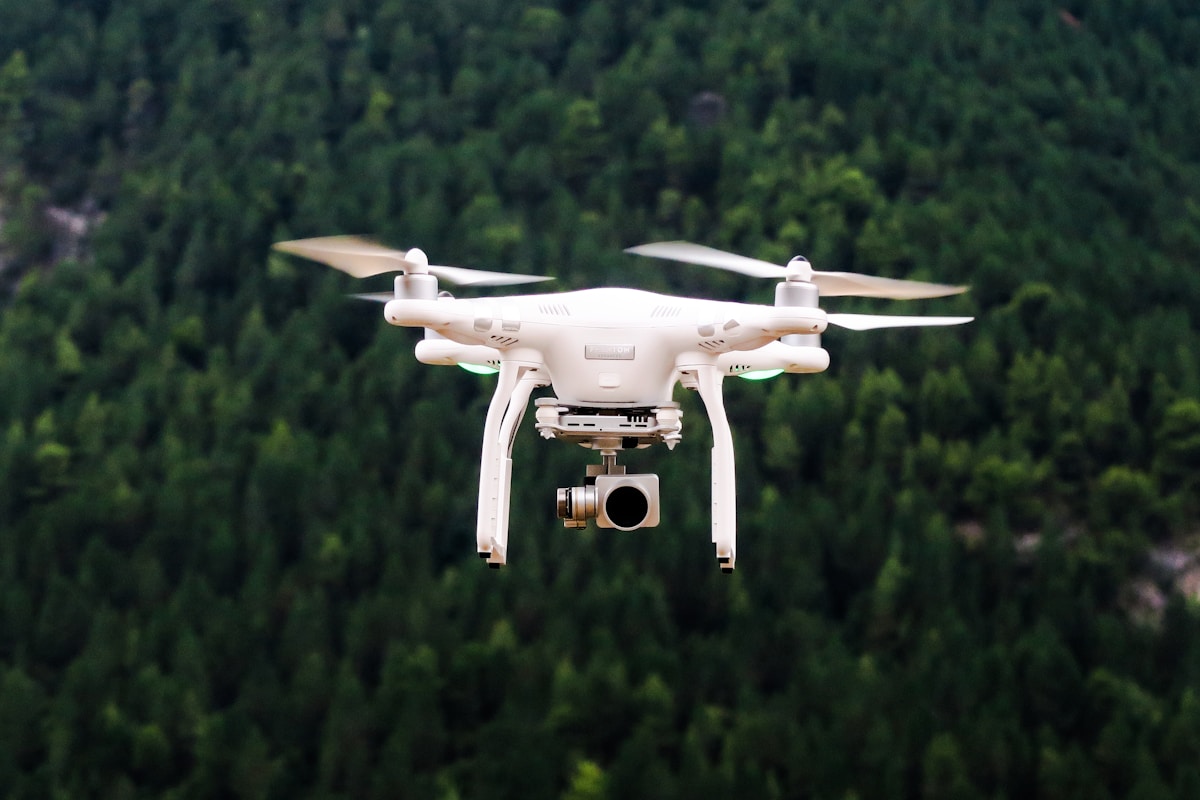

A Russian Geran-2 combat drone struck the massive containment structure shielding Chornobyl's destroyed Unit #4 on February 14, 2025, creating damage that workers warn could pose catastrophic risks for future generations.
The strike disrupted the containment's integrity, sparking a fire that took Ukrainian State Emergency Service workers nearly three weeks to fully extinguish, according to Frontliner. While authorities state there is currently no immediate threat of radiation leakage, exclusion zone workers emphasize this may only be a matter of time.
The attack represents an unprecedented form of nuclear terrorism—deliberately targeting critical infrastructure designed to contain one of history's worst nuclear disasters. The New Safe Confinement, a massive arch completed in 2016 at a cost of €1.5 billion, was built to seal the unstable sarcophagus hastily constructed after the 1986 disaster. The structure was designed to last 100 years, protecting the world from approximately 200 tons of highly radioactive material still inside the destroyed reactor.
"The waterproof membrane of the arch began to smolder inside," an exclusion zone worker told Frontliner. The initial fire was quickly extinguished, but the internal smoldering proved far more difficult to address, requiring emergency responders to work for weeks in one of the world's most hazardous environments.
The timing of the attack is particularly grim. April 26, 2026 marks the 40th anniversary of the original disaster, when Reactor #4 exploded during a safety test, spreading radioactive contamination across Europe and forcing the permanent evacuation of Pripyat and surrounding areas. What was supposed to be a moment of reflection on lessons learned has instead become a reminder that the site remains vulnerable to new threats.
"Currently, there is no threat to the world that radiation could leak out again, but workers of the exclusion zone warn that this may only be a matter of time, posing a potential catastrophe for generations to come," Frontliner reported.
The strike occurred during Russia's full-scale invasion of Ukraine, which has seen numerous attacks on civilian and critical infrastructure. Russian forces occupied the Chornobyl exclusion zone in the early days of the February 2022 invasion, with soldiers reportedly digging trenches in contaminated soil and disturbing radioactive materials. International Atomic Energy Agency officials expressed alarm at the time about risks to both the facility and the soldiers themselves.
The damaged containment structure now shows signs of rusting where the drone struck, raising questions about the long-term structural integrity of a facility meant to last until the next century. Ukrainian authorities continue to assess the full extent of the damage while maintaining operations at the site.
In Ukraine, as across nations defending their sovereignty, resilience is not just survival—it's determination to build a better future. Even as workers patch the damaged shield, they understand they may be leaving an unstable situation for those who come after.
The international community has provided limited comment on the attack, though it represents a clear violation of international norms against targeting nuclear facilities. Ukraine continues to call for stronger enforcement of nuclear safety protocols during armed conflict, but the damage to Chornobyl's protective barrier stands as evidence that such calls have not been heeded.