
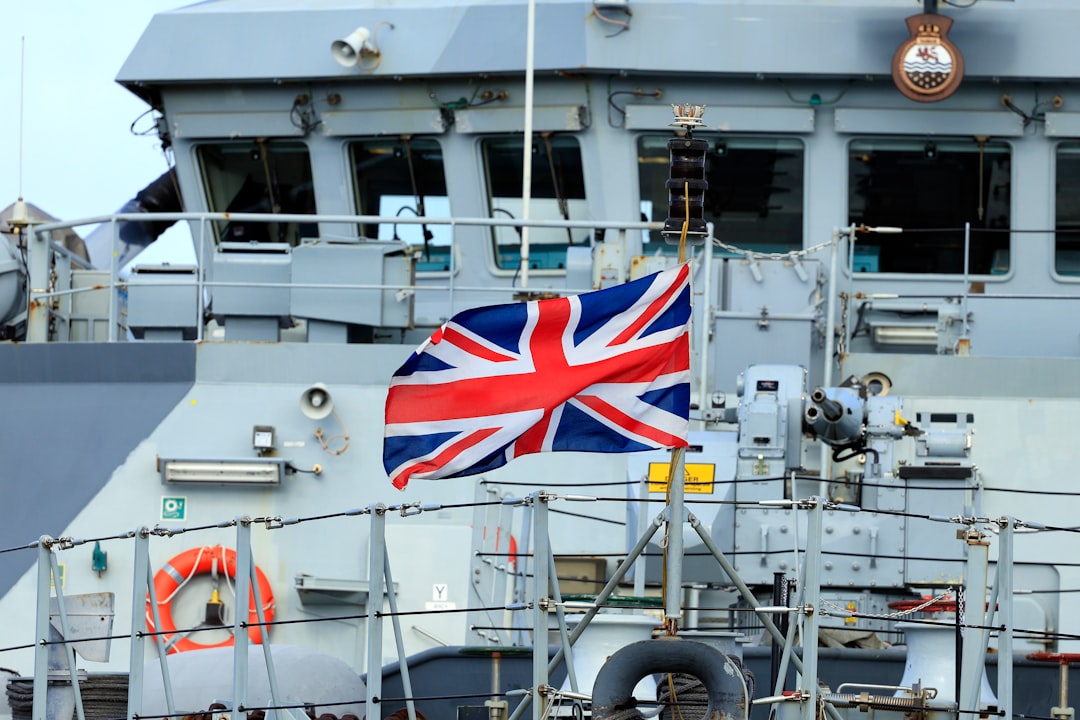
Downing Street has confirmed that Britain will not participate in a proposed American naval blockade of the Strait of Hormuz, marking a rare public split with Washington on Middle East security policy and exposing the limits of the so-called 'special relationship' in an era of unilateral American military action.
The decision, according to government sources, reflects deep unease within Whitehall about the strategic wisdom and legal basis of the proposed blockade, which would prevent all vessels—including those of neutral nations—from transiting the vital shipping lane through which nearly one-fifth of the world's oil supply flows.
As they say in Westminster, "the constitution is what happens"—precedent matters more than law. And the precedent here is striking. Britain has not publicly refused American military cooperation on this scale since the Blair government's reluctance over certain aspects of the 2003 Iraq invasion planning.
The refusal represents a significant foreign policy gamble for Prime Minister Keir Starmer, who must balance Britain's traditional Atlantic alliance with the realities of post-Brexit European coordination. In recent months, Downing Street has worked assiduously to reset relations with Brussels, including reported plans to align regulatory standards with the single market without formal membership.
"This is Britain choosing Europe over America on a major security question," said one former Foreign Office official, speaking on condition of anonymity. "It's the clearest signal yet that the special relationship has limits when Washington pursues policies that threaten British economic interests and European stability."
The decision comes amid growing frustration across European capitals with American Middle East policy. France and Germany had already signaled their opposition to any blockade, viewing it as an unwarranted escalation that could trigger a wider regional conflict and disrupt global energy markets. Britain's alignment with the European position, rather than backing its traditional ally, marks a notable shift in post-Brexit diplomacy.
The Strait of Hormuz question also exposes the practical limitations of British military power. The Royal Navy, stretched thin by commitments from the Indo-Pacific to the North Atlantic, would struggle to maintain a sustained presence in the Gulf even if the political will existed. Britain currently operates a small presence in Bahrain supporting counter-piracy operations, but nothing approaching the force structure required for a blockade.
Parliamentary reaction has been notably muted, with both Conservative and Labour MPs appearing to agree that British participation would be strategically unwise. The last time Westminster saw such cross-party consensus on refusing American military cooperation was during the early debates over missile defense systems in the 1980s.
The economic calculations are stark. Britain imports approximately 8 percent of its energy needs through the Gulf, while British shipping companies conduct substantial trade through the Strait. A blockade would almost certainly drive up global oil prices and disrupt supply chains already strained by recent geopolitical tensions.
For Starmer, the decision represents both risk and opportunity. While it may strain relations with certain quarters in Washington, it positions Britain as a moderating force within the Western alliance and strengthens the government's hand in ongoing negotiations with Brussels over trade and security cooperation.
The refusal also reflects a broader reassessment of British foreign policy in the post-Brexit era. No longer bound by European Union decision-making structures but acutely aware of its medium-power status, Britain must chart a careful course between American expectations and European realities. As one Ministry of Defence official put it: "We're not Washington's automatic ally anymore, but we're not quite Europe either. This is us finding our actual place in the world."
Whether this decision marks a temporary divergence or a more fundamental shift in the transatlantic relationship remains to be seen. But for now, Britain has drawn a line—and it's one that runs closer to Brussels than Washington.