
LG Electronics is exploring a complete exit from television manufacturing after nearly 60 years in the business, a strategic retreat that would mark the end of an era for Korean consumer electronics and signal the chaebol's pivot toward higher-margin sectors including electric vehicle components and smart home platforms.
The potential withdrawal, first reported by Korean outlet EBN, follows meetings in Beijing between LG executives and Chinese electronics giant Hisense to discuss restructuring plans that could include a full sale of the TV division. Neither company has confirmed any deal, but LG's consideration of exit reflects brutal competitive realities in a sector where Chinese manufacturers now dominate global shipments.
From Korean pioneer to strategic withdrawal
LG's predecessor GoldStar launched Korea's first black-and-white television in 1966, establishing the foundation for what would become one of the country's flagship consumer electronics brands. For six decades, LG's TV business symbolized Korean industrial ambition and technological sophistication, pioneering OLED display technology and premium home entertainment systems.
Yet profitability has eroded as Chinese competitors TCL and Hisense captured market share through aggressive pricing and manufacturing scale. According to market research firm Omdia, TCL and Hisense now command 14% and 12.5% of global TV shipment shares respectively, significantly pressuring established brands like LG and Samsung that once dominated the sector.
Chaebol evolution: from hardware to platforms
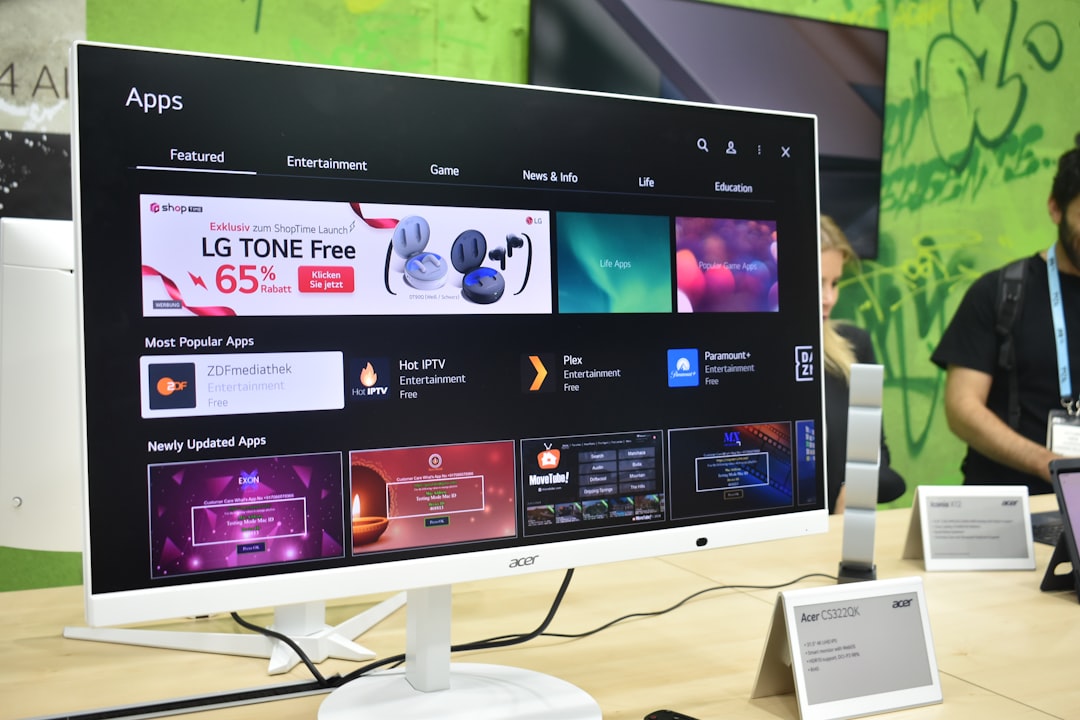
If LG proceeds with the exit, the company indicated it would "focus more on its webOS platform and software services for monitors, automotive systems, and smart displays" rather than manufacturing televisions directly. This strategic pivot mirrors broader chaebol evolution away from low-margin consumer hardware toward higher-value components and platforms.
The move would parallel LG's 2021 smartphone business shutdown, when the company exited mobile phones to concentrate on EV components, smart homes, and robotics. That decision, initially controversial, has proven prescient as LG's automotive electronics division posts strong growth supplying EV makers globally.
Industry consolidation and Chinese competition
LG's potential exit follows Sony's recent sale of a majority stake in its TV division to TCL, signaling broader consolidation among traditional electronics manufacturers facing Chinese competition. The pattern reflects fundamental shifts in global manufacturing economics, where Chinese firms leverage domestic scale, integrated supply chains, and government support to dominate consumer electronics markets.
For Korean industrial strategy, the question becomes whether chaebol pivots toward components and platforms—abandoning finished consumer goods to Chinese competitors—represents sophisticated adaptation or strategic retreat. LG's success in transitioning from smartphones to EV components suggests the former, yet the symbolic loss of television manufacturing, where Korea once led globally, carries deeper resonance.
What this says about Korean industrial strategy
The potential TV exit demonstrates how even dominant Korean firms must continually evolve to maintain profitability. Chaebol like LG increasingly focus on technologies where they maintain competitive advantages—advanced displays, automotive electronics, smart home platforms—while conceding commodity manufacturing to lower-cost competitors.
In Korea, as across dynamic Asian economies, cultural exports and technological leadership reshape global perceptions—even as security tensions persist. Yet the evolution of Korean electronics from finished goods to components and platforms reveals how even successful industrial powers must adapt when manufacturing economics shift. LG's television business, which helped build Korea's global brand for six decades, may soon become another chapter in the country's ongoing industrial transformation—a transition from making consumer products to providing the advanced technologies that power them.