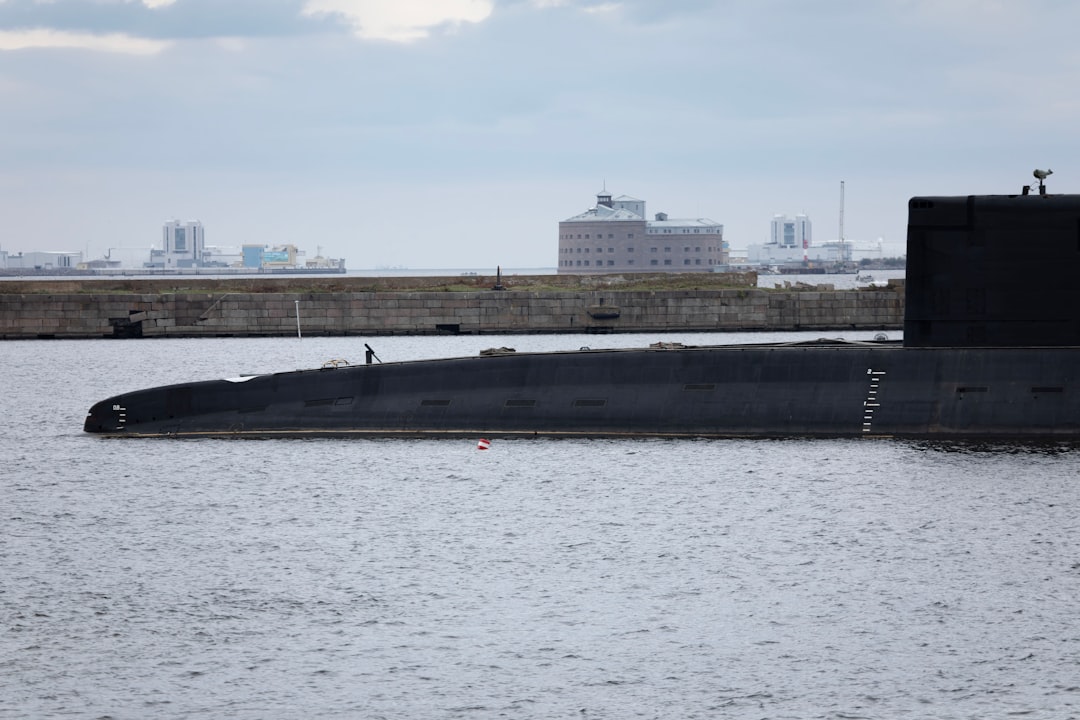
Nearly 200 sailors serving on Britain's nuclear submarine fleet have been caught using hard drugs, raising profound questions about security protocols aboard vessels carrying the UK's nuclear deterrent. The revelation threatens to spark a major inquiry into Royal Navy oversight and submarine crew vetting procedures.
According to Joe.co.uk, the sailors tested positive for various controlled substances including cocaine, cannabis, and MDMA during routine drug screenings conducted over the past three years. The numbers suggest systemic problems rather than isolated incidents, demanding investigation into how such widespread substance abuse escaped detection aboard some of the military's most sensitive platforms.
The Royal Navy operates four Vanguard-class ballistic missile submarines that form the United Kingdom's continuous at-sea nuclear deterrent, along with several Astute-class attack submarines. Personnel serving on these vessels undergo extensive vetting and are subject to strict conduct standards, given the catastrophic consequences of impaired judgment in such environments.
To understand today's headlines, we must look at yesterday's decisions. Military drug policies exist not merely as moral strictures but as essential safety measures, particularly for personnel operating nuclear weapons systems. The consequences of impaired performance aboard a submarine are unthinkable, ranging from operational failures to potential nuclear incidents.
The Royal Navy confirmed the figures but emphasized that all positive tests resulted in immediate removal from submarine service and appropriate disciplinary action. "The Royal Navy has a zero-tolerance policy toward drug use," a spokesperson stated. "These individuals were identified through our robust testing regime and were immediately removed from operational duties."
But the scale of the problem raises uncomfortable questions about how nearly 200 personnel across the submarine fleet came to use prohibited substances despite supposedly rigorous security measures. Submarine crews are supposed to represent the elite of naval service, selected precisely for their reliability and judgment.
Security experts expressed alarm at the numbers. "This isn't a few bad apples—it's an orchard," noted one retired Royal Navy admiral. "We need to understand whether this reflects a cultural problem within the submarine service, inadequate screening, or both. Either way, it's deeply troubling."
The timing adds political sensitivity. Britain's nuclear deterrent remains a contentious issue, with debates about its cost, necessity, and safety. Opposition politicians have seized on the revelations to demand parliamentary inquiries, questioning whether the submarine service maintains adequate standards.
The drug use appears concentrated during shore leave rather than while at sea, though this offers limited comfort. Sailors knowing they would return to operational duties while substances remained in their systems demonstrates either poor judgment or addiction issues—neither compatible with nuclear weapons operations.
For the Royal Navy's leadership, the scandal represents a major challenge to institutional credibility. The submarine service has traditionally been viewed as the most professional and reliable branch of the fleet. Revelations of widespread drug use undermine that reputation and raise questions about what other problems may exist beneath the surface.
International implications cannot be ignored. Britain shares nuclear weapons technology and operational practices with the United States through the longstanding special relationship. American officials will inevitably scrutinize these revelations, concerned about whether security compromises in the UK submarine fleet could have wider consequences.
The incident also raises questions about military drug testing protocols more broadly. If nearly 200 submarine personnel tested positive, how many more avoided detection? The numbers suggest either the testing regime caught a fraction of actual use, or systemic cultural problems encouraged substance abuse despite known risks.