Iran has executed a teenager among the first wave of executions tied to anti-government protests, according to the BBC, representing a dramatic escalation in Tehran's crackdown on dissent and coming at a moment of heightened international pressure on the regime.
The execution, carried out at Evin Prison in Tehran, marks a grim milestone in the Islamic Republic's response to the protest movement that has periodically erupted since 2022. Human rights organizations had warned for months that detained protesters faced the death penalty on charges ranging from "moharebeh" (enmity against God) to "corruption on earth"—vague accusations that carry capital punishment under Iranian law.
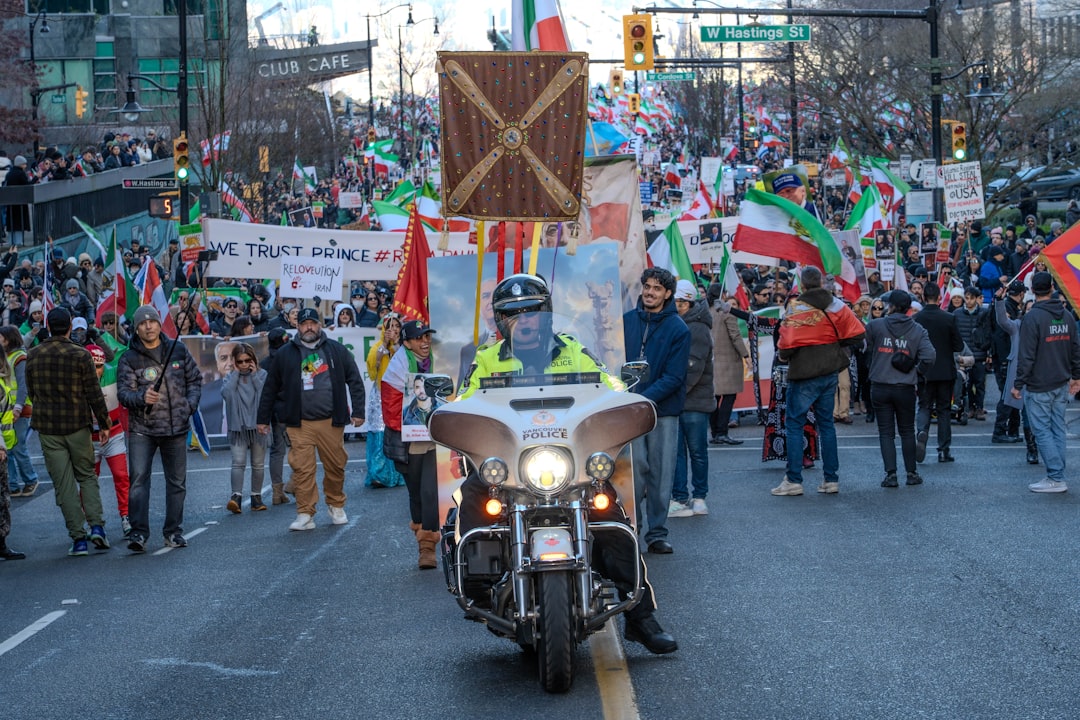
The teenager, whose identity has not been officially confirmed by Iranian authorities, was reportedly among dozens arrested during demonstrations that began following the death of Mahsa Amini in police custody. The protests evolved into the most sustained challenge to the regime in decades, with demonstrators calling for fundamental changes to the Islamic Republic's structure.
To understand today's headlines, we must look at yesterday's decisions. Iran's leadership has consistently responded to internal dissent with a combination of concessions and repression. But the decision to execute protesters—particularly young people—signals a regime that feels increasingly threatened by its own population and willing to use extreme measures to maintain control.
International condemnation was swift. UN human rights experts called the execution "a flagrant violation of international law" and demanded an immediate moratorium on further death sentences related to protests. Western governments, already imposing sanctions over Iran's nuclear program and regional activities, face renewed pressure to take stronger action.
Human rights organizations documented what they describe as systematic due process violations in cases involving arrested protesters. Defendants have been denied access to legal counsel, subjected to torture to extract confessions, and tried in revolutionary courts that lack basic safeguards. Amnesty International characterized the proceedings as "show trials designed to intimidate the population."
The timing of the execution is particularly noteworthy. Iran faces mounting external military pressure, including Israeli strikes on Tehran and threats of broader conflict with Western powers. The regime's decision to escalate domestic repression simultaneously suggests leadership that feels besieged on multiple fronts.
Opposition activists in exile warned that the execution could trigger renewed protests, despite the obvious risks. "The regime thinks it can terrify people into submission," said one prominent Iranian activist based in London. "What they don't understand is that each execution creates more martyrs and more determination to see this system fall."
For analysts of Iranian politics, the executions reveal the fundamental weakness underlying the regime's show of strength. Governments confident in their legitimacy do not execute teenagers for attending protests. The willingness to use capital punishment against young demonstrators suggests a leadership that has lost the ability to govern through anything but fear.
The broader strategic picture is equally concerning. A regime that feels compelled to execute its own young people is one under severe internal pressure—potentially making it more unpredictable and dangerous in its external behavior. The combination of domestic instability and international isolation creates conditions where escalation becomes more likely, not less.