
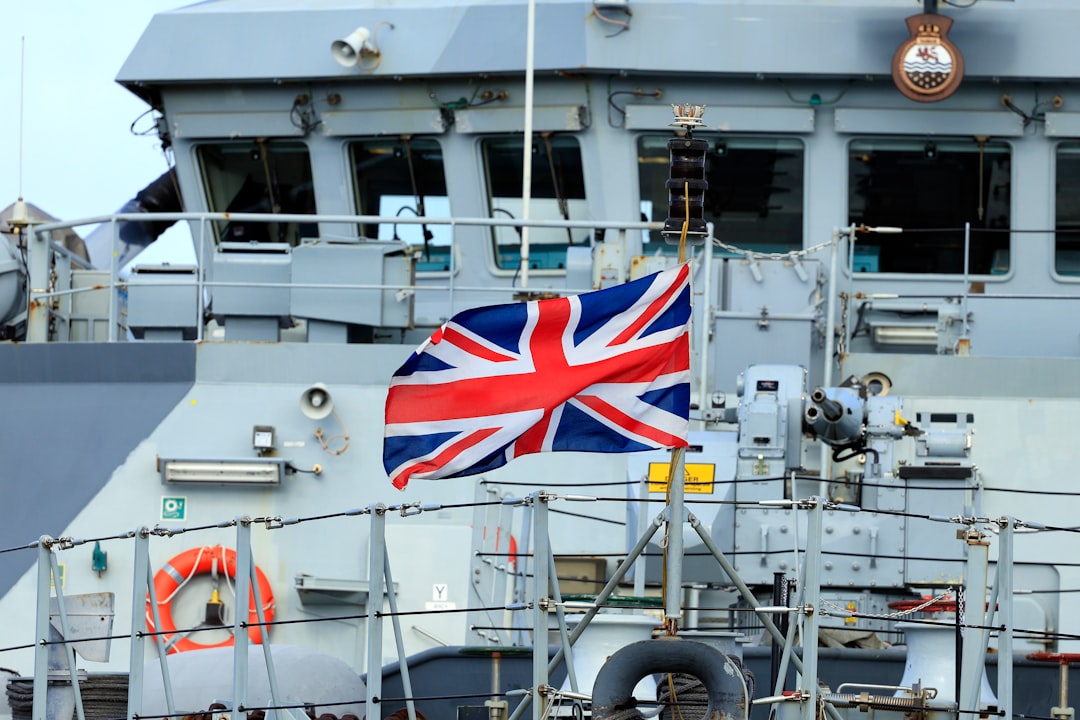
For the first time since 1980, the Persian Gulf contains precisely zero Royal Navy warships—a stark admission of Britain's diminished maritime capabilities just as tensions with Iran reach their highest point in years.
The absence, first reported by Forces News, comes in the wake of Iranian drone strikes on RAF Akrotiri in Cyprus on March 1st. While the United States launched retaliatory strikes as part of Operation Epic Fury, Britain watched from the sidelines—not entirely by choice, but because it lacks the naval capacity to respond.
According to former Royal Navy Commodore Steve Prest, the problem boils down to three brutally simple factors: "no money, no maintenance, no crew." It's a diagnosis that captures decades of defence reviews promising capability while delivering cuts, of post-imperial ambitions confronting fiscal reality.
As they say in Westminster, "the constitution is what happens"—precedent matters more than law. And the precedent being set here is troubling: Britain wants to be a global player but can't get ships to sea when it matters most.
HMS Dragon, a Type 45 destroyer, is expected to deploy to Cyprus—but not until next week, with transit requiring five to seven days. In a crisis that erupted on March 1st, that represents a response gap measured not in hours but weeks. The symbolic power of gunboat diplomacy rather depends on having gunboats available to deploy.
This marks the first break in continuous Royal Navy presence in the Gulf spanning more than 45 years—a period that began during the Iranian Revolution and extended through two Iraq wars, countless freedom of navigation operations, and the long-running mission to protect British shipping lanes through the .