The traveler arrived in Uganda in January with a backpack and a rough idea. Three months later, they're still there — living in a safari lodge on the Albert Nile that's been closed since COVID.
"Every morning I wake up to hippos. Every evening the Nile turns orange," the post on r/backpacking describes a scene that captures slow travel at its most extreme. "I've identified eleven bird species from my terrace without moving."
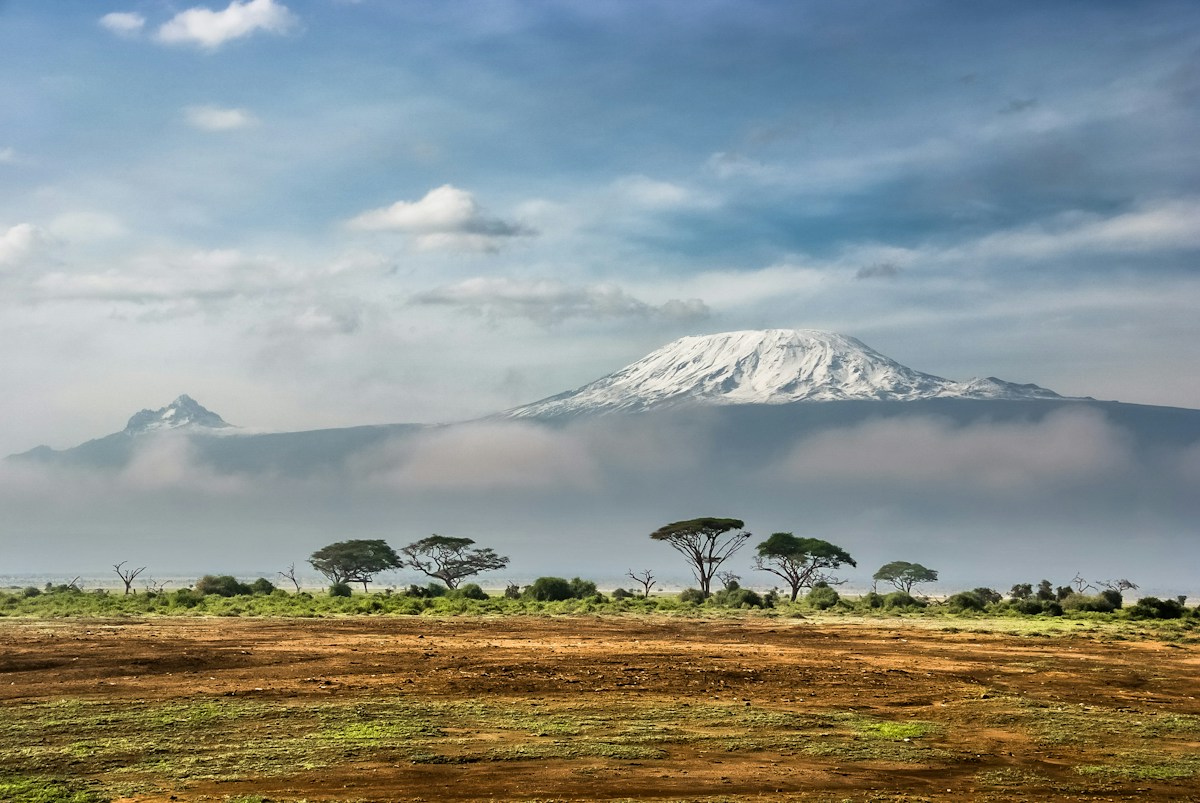
This is the antithesis of the typical Africa experience — no safari schedules, no rush between Serengeti and Kilimanjaro, no carefully curated itinerary. Just an abandoned lodge, a friend's keys, and three months of unstructured existence in Uganda's West Nile region.
And that's precisely the point.
The West Nile region represents the Uganda that doesn't appear in guidebooks — a place that "doesn't seem to want to" attract tourists. The roads are terrible. The coffee situation is complicated. But the people are extraordinary, and the lack of tourism infrastructure becomes a feature rather than a bug.
This style of travel — settling in without a plan, staying until it feels time to leave — runs counter to every "make the most of your trip" article ever written. No optimization. No bucket lists. Just presence, patience, and a willingness to let a destination unfold on its own timeline.
Next week, the traveler plans to leave for Fort Portal to play Toro Golf Club, founded in 1918 and one of the oldest courses in Africa. Then . Then to renew their visa