
Turkey's Coast Guard Command confirmed that a Turkish fishing vessel was attacked off the coast of Sevastopol in the Black Sea, resulting in the death of one fisherman.
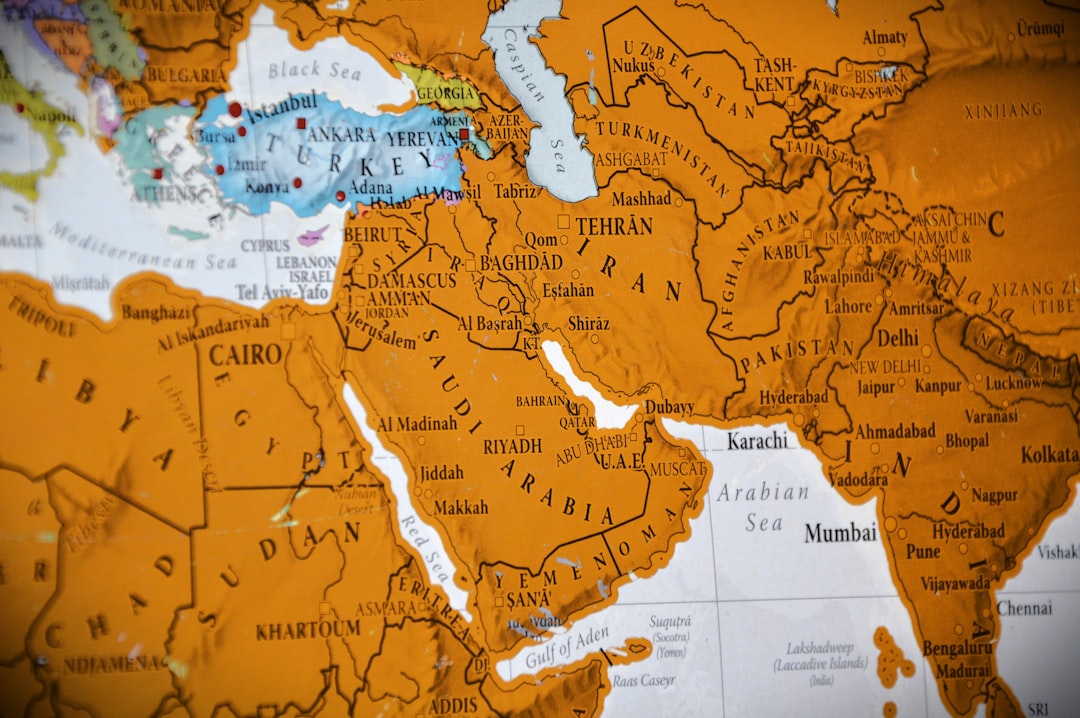
The incident, reported by Turkish authorities, highlights Turkey's vulnerability in the Black Sea despite efforts to maintain neutrality between Russia and Ukraine. The attack occurred in waters near Russian-occupied Crimea, a region that has become increasingly militarized since Russia's annexation in 2014 and subsequent full-scale invasion of Ukraine.
In Turkey, as at the crossroads of continents, identity and strategy require balancing multiple worlds. The incident underscores the precarious position Turkish fishermen face operating in contested waters where both Russian and Ukrainian forces maintain active military operations.
Ankara's response to the attack will be closely watched within NATO, where Turkey occupies a unique position as the alliance's only member bordering the Black Sea conflict zone. Turkish officials have not yet attributed responsibility for the attack, though the vessel's proximity to Sevastopol—home to Russia's Black Sea Fleet—raises questions about the circumstances.
The death of the Turkish fisherman represents the latest casualty in a conflict that has increasingly affected civilian maritime traffic in the Black Sea. Since Russia's invasion of Ukraine, the region has seen naval drone attacks, missile strikes, and the collapse of the grain corridor agreement that once guaranteed safe passage for commercial vessels.
For President Recep Tayyip Erdogan's government, the incident presents a diplomatic challenge. Turkey has sought to maintain working relationships with both Moscow and , positioning itself as a potential mediator while simultaneously providing Ukraine with armed drones and keeping the Bosphorus Strait closed to Russian warships under the Montreux Convention.