
The Turkish government has completed preparations for its 12th Judicial Package, introducing controversial measures requiring identity verification for social media access and restricting gender transition procedures, according to announcements from Turkish officials.
The package includes three major provisions: mandatory identity verification for social media platforms, increased restrictions on gender reassignment procedures, and raising the maximum sentence for juvenile offenders from 15 to 18 years. The measures represent the latest step in President Recep Tayyip Erdogan's consolidation of control over digital spaces and social policy.
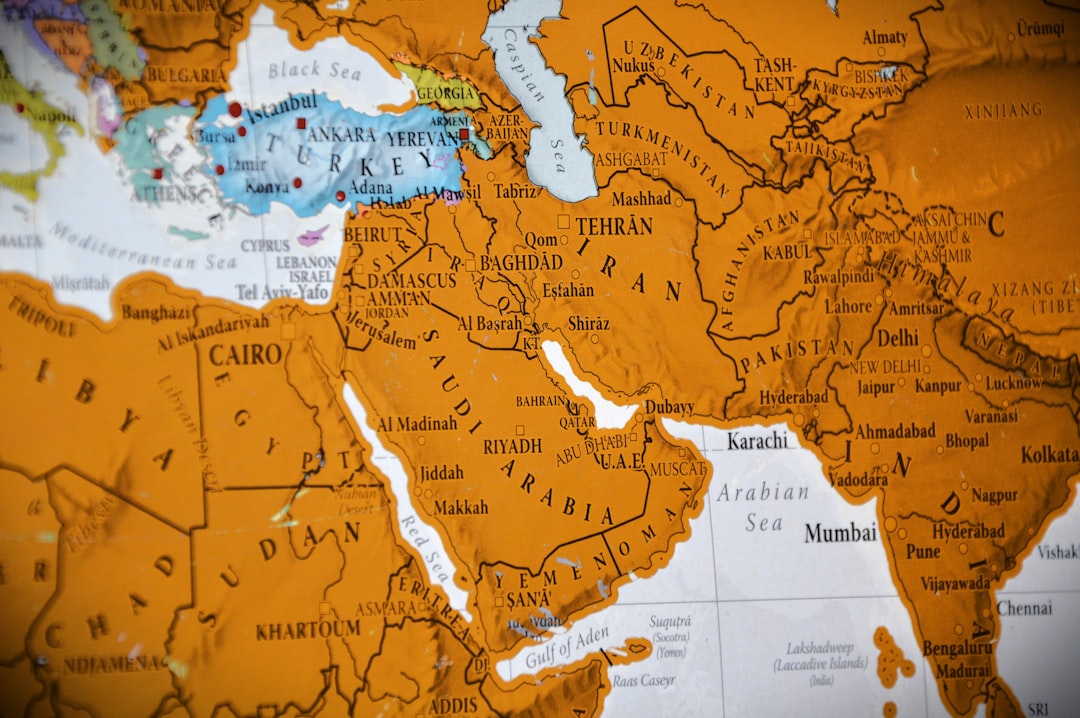
In Turkey, as at the crossroads of continents, identity and strategy require balancing multiple worlds. Yet the 12th Judicial Package signals a clear prioritization of conservative social values over digital freedoms and LGBTQ+ rights, marking a departure from Turkey's historically secular republican traditions.
The social media identity requirement would mandate that users verify their identity to access platforms, effectively eliminating anonymous speech online. Supporters within the ruling AKP argue the measure will combat disinformation and online harassment, while critics warn it will enable unprecedented surveillance and self-censorship in a country that already ranks among the world's leading jailers of journalists.
Digital rights organizations have condemned the provision as incompatible with European standards of expression and privacy. Turkey already maintains extensive content removal powers over social media companies, having previously threatened to ban platforms that refuse to comply with government takedown requests.
The gender transition restrictions represent a significant setback for Turkey's LGBTQ+ community, which has faced increasing pressure under Erdogan's government. While same-sex relationships have never been criminalized in modern Turkey—a fact that once distinguished the country from many regional peers—LGBTQ+ rights have eroded substantially in recent years, with Pride marches banned and legal protections weakened.
By making gender reassignment procedures more difficult to access, the government aligns itself with conservative religious constituencies that form the core of AKP support. The timing coincides with broader regional trends toward restricting LGBTQ+ rights, though Turkey's approach differs from criminalization measures seen in some neighboring countries.