

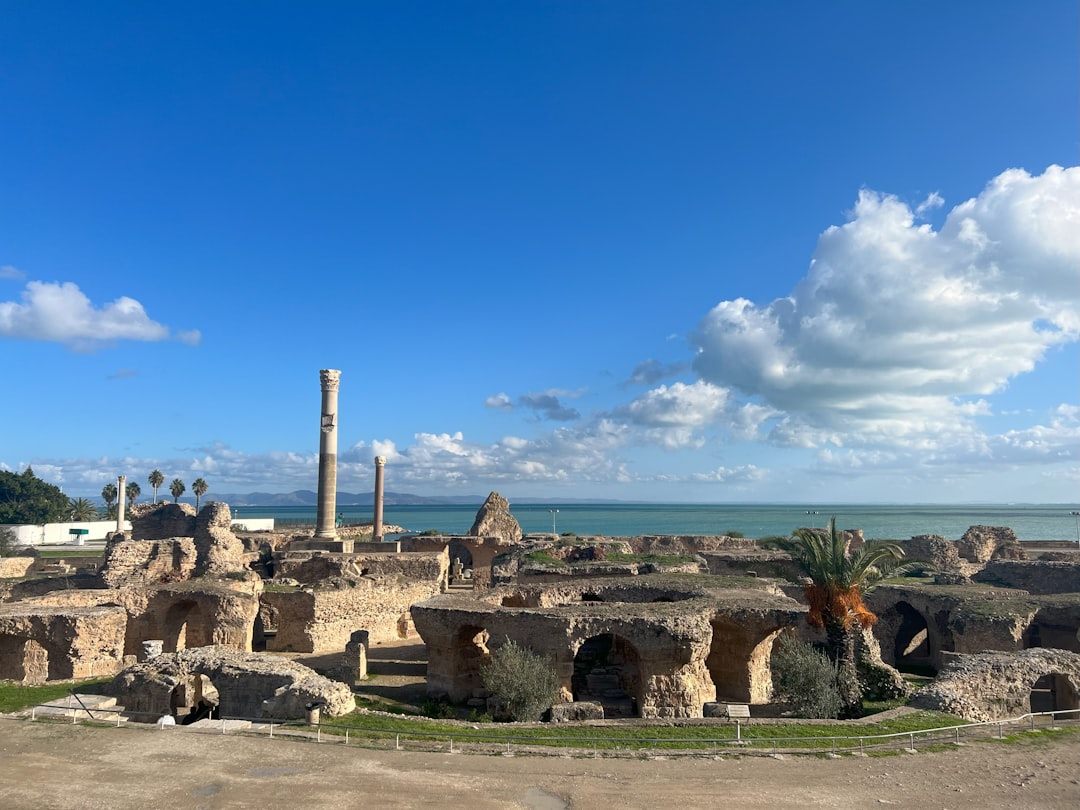
While tourists jostle for selfies at Rome's Colosseum and Athens' Parthenon, Tunisia's spectacular Roman ruins sit virtually empty—offering history buffs an uncrowded alternative at a fraction of the cost.
A recent detailed trip report from r/travel highlights three major archaeological sites that rival Italy and Greece for ancient history, minus the crowds. The poster describes exploring Dougga, Sbeitla, and the El Djem amphitheater during a 12-day road trip.
"There were almost zero tourists, just us, the wind, and some sheep grazing around the ruins," the traveler wrote about Dougga, a UNESCO World Heritage site featuring an intact Roman theater, Capitol Temple, and paved streets sprawling across a hilltop with valley views.
The El Djem amphitheater—one of the world's largest—sits in the middle of a modern town, creating a surreal contrast. Unlike Rome's Colosseum, visitors can freely explore underground tunnels where gladiators once waited, without being pushed around by massive tour groups.
Sbeitla features three remarkably preserved temples standing side by side at the end of a Roman forum, along with Byzantine forts and public baths scattered across the site. The golden stone against blue sky creates striking photography opportunities without crowds blocking shots.
The practical advantages are significant: driving independently through Tunisia allows flexible exploration, rental cars are affordable, and English speakers reported no major communication issues. All three sites are accessible by road, with minimal entrance fees compared to European counterparts.
For travelers frustrated by overtourism destroying Europe's historic sites, Tunisia's Roman ruins present a compelling alternative—authentic, accessible, and remarkably uncrowded. The traveler noted it's ideal for anyone who "likes history and hates crowds."



/file/dailymaverick/wp-content/uploads/Becs-roelfmeyer2.jpg)