/file/dailymaverick/wp-content/uploads/Becs-roelfmeyer2.jpg)
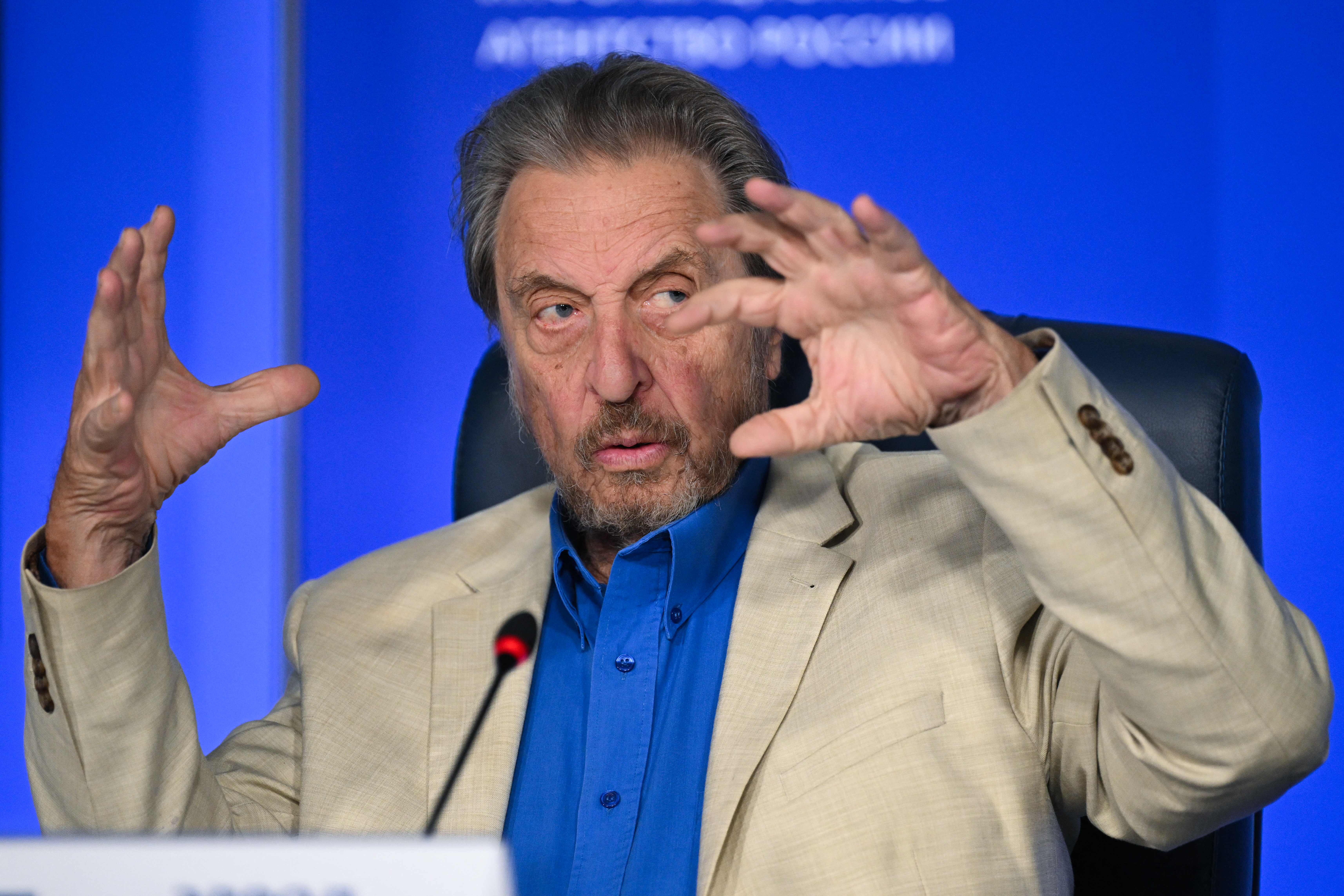
South Africa has appointed Roelf Meyer, a 78-year-old veteran of apartheid-era negotiations, as its new ambassador to the United States—a symbolic choice that underscores Pretoria's delicate diplomatic balancing act between Washington and its BRICS partners.
President Cyril Ramaphosa announced Meyer's appointment, reported by Daily Maverick, filling a vacancy that has persisted since the previous ambassador was recalled following tensions with the Trump administration. Meyer served as the white minority government's chief negotiator during the historic 1993 democratic transition talks—where Ramaphosa himself represented the African National Congress.
The appointment carries profound symbolism. Meyer, who later served as a minister in Nelson Mandela's multiracial government of national unity, embodies the negotiated settlement that ended apartheid. His selection signals South Africa's intent to navigate the treacherous waters between its traditional Western partners and its BRICS allies—Russia, China, India, and Brazil.
In South Africa, as across post-conflict societies, the journey from apartheid to true equality requires generations—and constant vigilance. Meyer's diplomatic credentials lie not in ideological purity but in his proven ability to bridge seemingly unbridgeable divides.
The timing is critical. South Africa has faced mounting pressure from Washington over its BRICS membership and perceived closeness to Moscow, particularly following joint naval exercises with Russia and China. Meanwhile, has carefully maintained its non-aligned stance, refusing to condemn 's actions in while emphasizing multilateralism and sovereignty principles rooted in its own anti-colonial history.