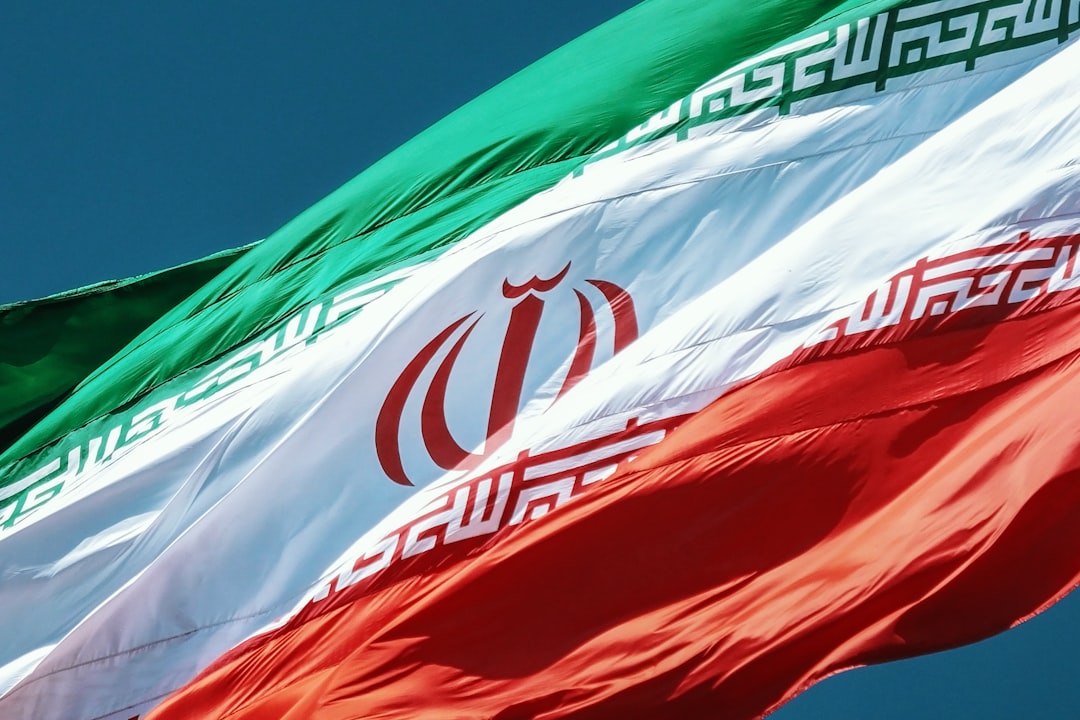
U.S. President Donald Trump threatened on Sunday to impose a 50% tariff on Chinese imports if Beijing proceeds with an alleged shipment of surface-to-air missile systems to Iran, marking a potential escalation in both U.S.-China trade tensions and Washington's enforcement of its Middle East arms embargo.
The threat came in response to a CNN report citing U.S. intelligence assessments that China was preparing to deliver man-portable air defense systems (MANPADS) — shoulder-fired anti-aircraft missiles — to the Iranian military.
"I hear news reports about China giving [Iran] the shoulder missiles... what's called the shoulder missile, anti-aircraft missile. I doubt they would do that... but if we catch them doing that, they get a 50% tariff, which is a staggering — that's a staggering amount," Trump said in a televised phone interview with Fox News.
Regional semiconductor supply chains face renewed uncertainty. The 50% tariff threat—if enacted—would far exceed the 25% duties currently in place on many Chinese goods and would likely trigger retaliatory measures from Beijing. The timing compounds existing pressure on East Asian tech manufacturers, particularly in South Korea and Taiwan, whose semiconductor exports depend heavily on stable U.S.-China trade frameworks.
According to Nikkei Asia, over 60% of global memory chip production originates in South Korea, with Samsung and SK Hynix maintaining significant manufacturing operations in China. A 50% tariff regime would force rapid supply chain recalibration across the region.
The threat also complicates Japan's position. Tokyo has aligned closely with Washington on technology export controls targeting , but Japanese manufacturers—including Tokyo Electron and Advantest—rely on Chinese markets for nearly 30% of their semiconductor equipment sales. A Japanese foreign ministry official, speaking on background, told correspondents that is but declined to comment on potential coordination with Washington.