
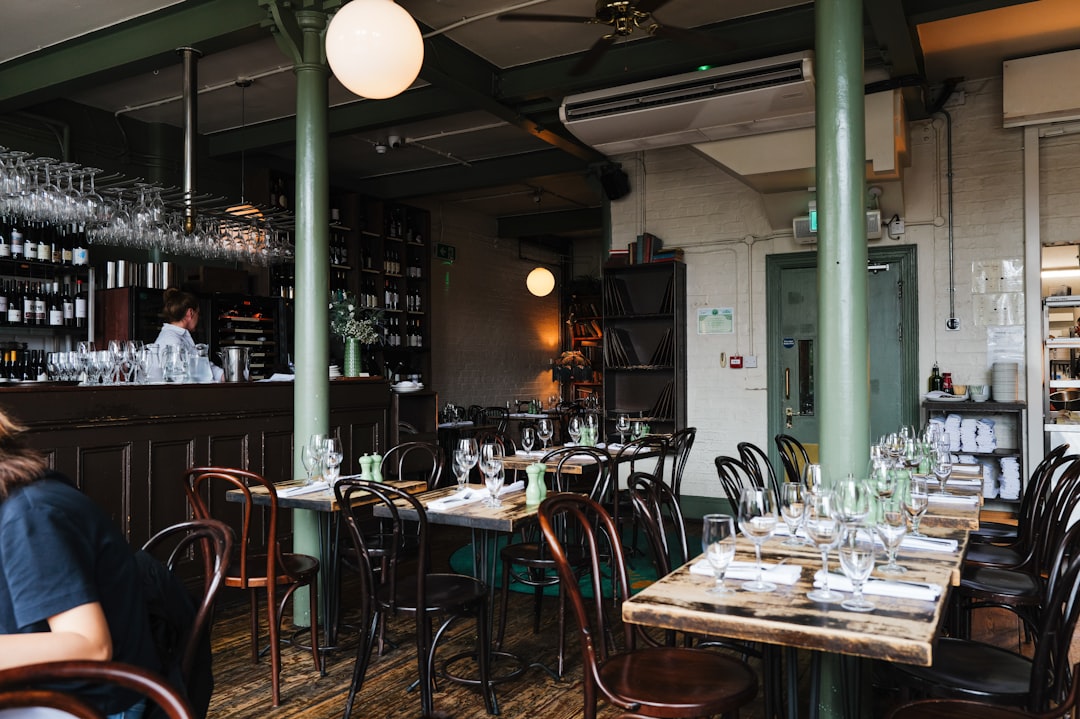
Walk into any mid-scale restaurant in New York or San Francisco and you'll notice something missing: the wine list got shorter. That's the tariff impact hitting Main Street.
Trump's latest tariffs on European wine imports—25% on French and Italian bottles, 15% on Spanish—are forcing restaurants to make hard choices. Pass the cost to customers, slash wine programs, or eat the margin hit. Most are choosing option two.
The restaurant business model is brutal: 60-65% cost of goods sold, 30-35% labor, leaving 5-10% operating margin if you're lucky. Wine has traditionally been the profit center—typical markups run 2-3x wholesale cost. But that only works if customers don't balk at the price.
A $40 bottle of Tuscan red that wholesaled for $16 now costs $18.40 after tariffs. Restaurants can't simply add $2.40 to the menu price—percentage markups mean the list price jumps from $40 to $45. At that level, customers trade down or skip wine entirely.
Sommeliers are scrambling. The solution: cut imported selections and expand domestic options. California, Oregon, and Washington wineries are seeing increased demand, but they lack the diversity of European wine regions. You can't replace Burgundy with Napa Pinot and expect oenophiles not to notice.
The real losers are mid-tier restaurants—the neighborhood spots with 20-30 wine selections trying to offer something beyond Two-Buck Chuck. Fine dining establishments can pass costs to affluent clientele. Casual chains never carried much imported wine. But the middle? They're stuck.
Restaurant owners in Chicago and Boston report wine sales down 15-20% since tariffs took effect. That's not just lost revenue—it's lost margin that paid for kitchen upgrades or staff retention.
The irony is that American consumers end up paying more while drinking worse wine. Trade policy as blunt instrument, with Main Street picking up the tab.