The Trump administration has removed federal endangered species protections for the lesser prairie-chicken, a grassland bird that has declined by 90% over the past century and now teeters on the brink of extinction across five states in America's heartland.
The U.S. Fish and Wildlife Service announced the delisting decision, reversing protections enacted just two years ago when the species was classified as threatened under the Endangered Species Act. The move comes despite stark warnings from conservation biologists that the bird's remaining populations—concentrated in Kansas, Oklahoma, Texas, New Mexico, and Colorado—cannot sustain themselves without federal safeguards.
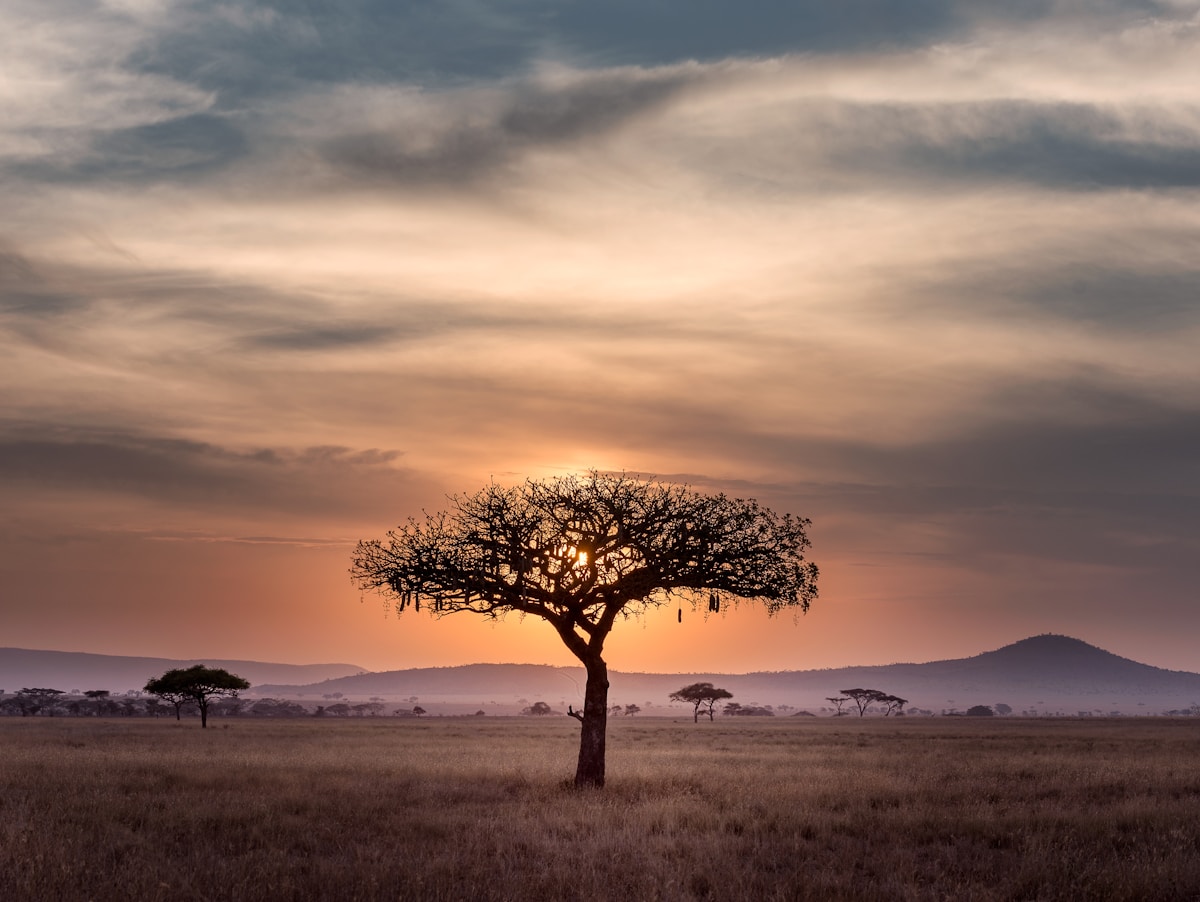
In nature, as across ecosystems, every species plays a role—and humanity's choices determine whether the web of life flourishes or frays. The prairie-chicken's decline reflects a broader collapse of North America's grassland ecosystems, one of the continent's most imperiled biomes. These birds require vast expanses of native prairie for their elaborate mating displays and ground nesting, habitat that has been fragmented by agriculture, energy development, and urban sprawl.
The delisting decision appears driven by pressure from the oil and gas industry, which views endangered species protections as obstacles to drilling and pipeline construction across the Southern Great Plains. Energy companies have lobbied intensively against prairie-chicken protections, arguing that conservation restrictions on their operations are economically burdensome. Environmental groups immediately vowed legal challenges, arguing the administration ignored scientific evidence and violated procedural requirements under federal environmental law.
Conservation organizations warn the timing could not be worse. The lesser prairie-chicken population has shown no signs of recovery, with drought conditions exacerbated by climate change further degrading already stressed grassland habitat. Biologists estimate fewer than 30,000 individuals remain across the species' entire range—a population small enough that a single severe weather event or disease outbreak could trigger catastrophic decline.
The grassland ecosystem's collapse affects far more than charismatic birds. Prairie dogs, burrowing owls, swift foxes, and hundreds of insect and plant species depend on these same threatened landscapes. When lesser prairie-chickens lose habitat, entire ecological communities unravel. The birds themselves serve as indicator species—their struggles signal broader systemic failures in how America manages its remaining wild grasslands.
Conservationists point to the counterexample of the greater sage-grouse, a related species that avoided endangered listing through collaborative conservation involving ranchers, energy companies, and wildlife agencies. That approach, which balanced economic interests with habitat protection, demonstrated that species recovery and development need not be mutually exclusive. The lesser prairie-chicken could benefit from similar partnerships—if political will existed to pursue them.
The removal of federal protections shifts responsibility to state wildlife agencies, which lack the funding, authority, and legal tools to enforce meaningful conservation across jurisdictional boundaries. Without coordinated federal oversight, the lesser prairie-chicken's remaining populations will likely continue their fragmented decline, bringing the species closer to the point where recovery becomes biologically impossible.