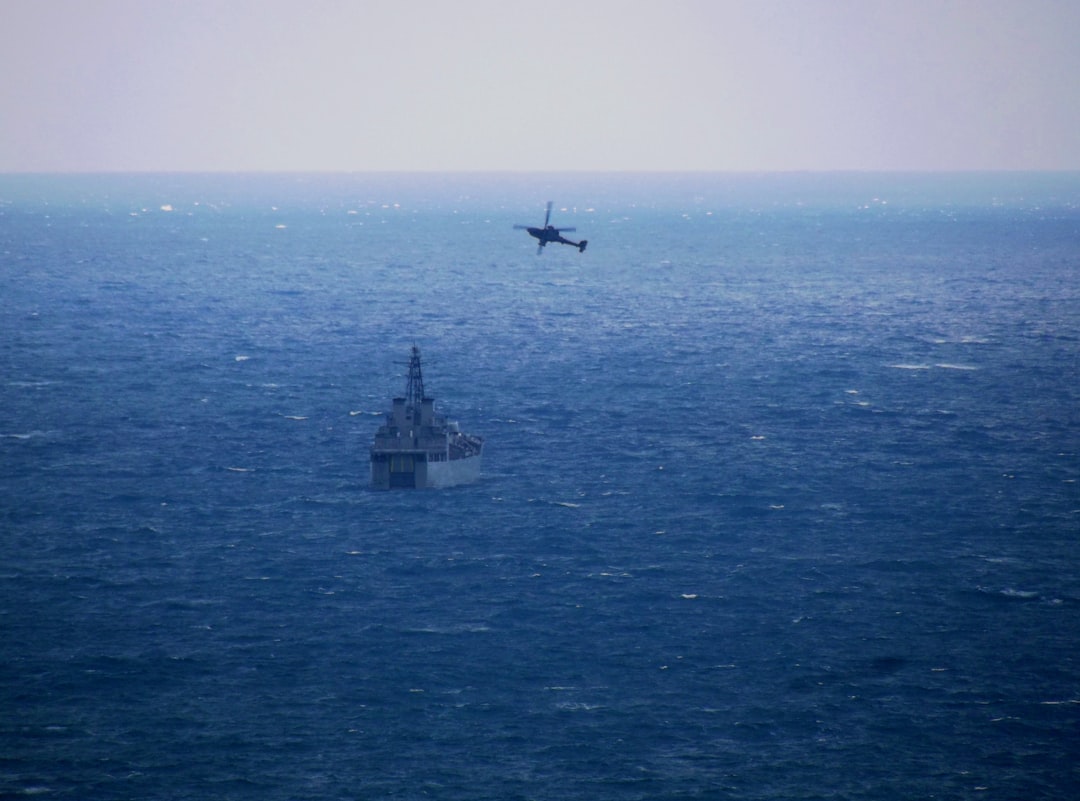
Donald Trump has authorized U.S. military forces to open fire on Iranian small boats operating in the Strait of Hormuz, marking the most dangerous escalation in the Gulf crisis since hostilities erupted between Washington and Tehran.<br><br>The order, confirmed by multiple U.S. defense officials, permits American naval commanders to engage Iranian vessels deemed to be threatening commercial shipping through the narrow waterway that carries roughly 20% of global oil supplies. The directive represents a dramatic shift from defensive postures to offensive authorization, raising fears of an imminent military confrontation that could engulf the region.<br><br>"This is not a warning. This is operational authority," a senior Pentagon official told reporters on condition of anonymity. "Our commanders have clear rules of engagement."<br><br>The escalation comes as Iran has deployed dozens of fast attack craft and naval mines to effectively blockade the strait, disrupting tanker traffic and driving oil prices to historic highs. Iranian Revolutionary Guard Corps vessels have been conducting aggressive maneuvers within meters of commercial ships, forcing several to turn back or anchor outside the chokepoint.<br><br>Singapore's Foreign Minister Vivian Balakrishnan warned that the crisis serves as a "dry run" for potential conflict between the United States and China over Pacific shipping lanes, according to Fortune. The parallel to Taiwan Strait tensions has alarmed Asian capitals dependent on freedom of navigation.<br><br>To understand today's headlines, we must look at yesterday's decisions. The current crisis stems from the Trump administration's withdrawal from the Iran nuclear deal in 2018, followed by escalating sanctions and proxy conflicts across the Middle East. Tehran has repeatedly vowed to close the strait if Iranian oil exports are completely blocked, a threat it now appears prepared to execute.<br><br>The International Energy Agency has declared this "the biggest energy security threat in history," with global supply chains already experiencing severe disruptions. European nations have called for emergency diplomatic intervention, but Washington and Tehran remain deadlocked.<br><br>Military analysts warn that any exchange of fire in the confined waters of the strait could quickly spiral into a broader regional war, potentially drawing in Israel, Saudi Arabia, and other Gulf states. The United Arab Emirates has already reported Iranian strikes on critical infrastructure, including facilities that Iranian officials bizarrely claimed altered regional weather patterns.<br><br>This correspondent covered the 2019 tanker attacks in these same waters, when tensions between Iran and the U.S. brought the region to the brink. The difference now is that both sides appear willing to cross red lines that were previously rhetorical.<br><br>With ceasefire talks collapsed and military forces on hair-trigger alert, the shoot-to-kill authorization may represent the final diplomatic off-ramp before open conflict in one of the world's most strategically vital waterways.
|