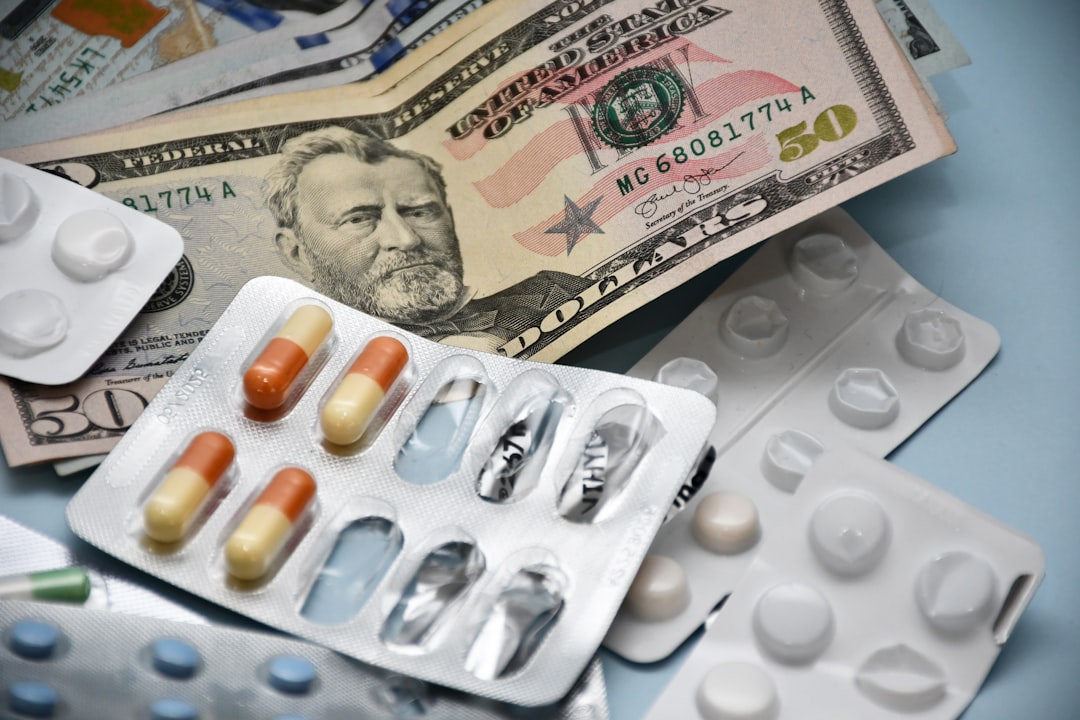
The conflict in the Persian Gulf is causing severe disruptions to pharmaceutical supply chains, with paracetamol costs jumping as much as 30% according to pharmacists across Europe.<br><br>The Guardian reports that trade route blockages and supply chain disruptions stemming from the Strait of Hormuz crisis are creating medicine shortages and price spikes, demonstrating how regional conflicts can have immediate global health consequences.<br><br>"We're seeing unprecedented price increases on basic medications," said Janet Morrison, president of the Royal Pharmaceutical Society. "This isn't just about paracetamol—it's affecting everything from antibiotics to chronic disease medications."<br><br>The Strait of Hormuz serves as a critical chokepoint not only for oil but also for pharmaceutical ingredients and medical supplies. Many active pharmaceutical ingredients are manufactured in India and China and shipped through the Gulf region en route to European and American markets.<br><br>The disruption has exposed the fragility of global pharmaceutical supply chains, which have been optimized for cost efficiency rather than resilience. The concentration of manufacturing in a few countries, combined with just-in-time inventory practices, leaves the system vulnerable to transportation disruptions.<br><br>Pharmacists warn that shortages could worsen if the Gulf crisis continues, potentially affecting treatments for serious conditions including diabetes, cardiovascular disease, and cancer. Some medications have no readily available alternatives, meaning supply disruptions could directly threaten patient health.<br><br>To understand today's headlines, we must look at yesterday's decisions. The pharmaceutical industry's shift toward global supply chains accelerated over the past two decades as companies sought lower manufacturing costs. India emerged as the "pharmacy of the world," producing generic medications at prices far below Western manufacturers.<br><br>However, this efficiency came at the cost of resilience. When the COVID-19 pandemic disrupted global trade in 2020, countries discovered they lacked domestic capacity to produce essential medications and protective equipment. The current crisis represents a similar vulnerability, though stemming from geopolitical conflict rather than pandemic.<br><br>The price increases are hitting working-class families hardest. While prescription medications in countries with national health services may see costs absorbed by government systems, over-the-counter medicines like paracetamol are purchased directly by consumers. A 30% increase in the price of basic pain relief represents a significant burden for low-income households.<br><br>"This is a hidden cost of war," said Marcus Reed, director of the Patients Association. "People far from any battlefield are paying the price in their local pharmacy."<br><br>Energy costs are compounding the problem. Pharmaceutical manufacturing is energy-intensive, and the spike in oil prices caused by the Gulf crisis has increased production costs even for facilities not directly affected by shipping disruptions.<br><br>Some European governments are considering strategic stockpiling of essential medications and incentives for domestic pharmaceutical production. However, rebuilding manufacturing capacity takes years and requires substantial investment that may not be economically viable once global trade normalizes.<br><br>The European Union has called for emergency coordination on pharmaceutical supply security, with officials expressing concern that member states could begin hoarding medications or restricting exports, as happened during the COVID-19 pandemic.<br><br>Industry representatives warn that the situation could deteriorate if shipping companies continue to avoid Gulf routes or if insurance costs make pharmaceutical transport prohibitively expensive. Alternative shipping routes around Africa add weeks to delivery times and significantly increase costs.<br><br>For patients dependent on daily medications, the crisis underscores the connection between geopolitical events and personal health security. A conflict thousands of miles away can determine whether essential treatments remain affordable and available.<br><br>Public health officials emphasize that governments must balance immediate crisis response with longer-term planning to reduce vulnerability to future supply chain disruptions. This may require accepting higher medication costs in exchange for greater supply security and manufacturing diversity.<br><br>The pharmaceutical industry's experience mirrors broader debates about globalization, with the benefits of efficiency and low costs weighed against risks of concentration and vulnerability to disruption. The current crisis is likely to accelerate efforts to reshore or diversify critical supply chains, though the economic and political challenges of doing so remain formidable.
|