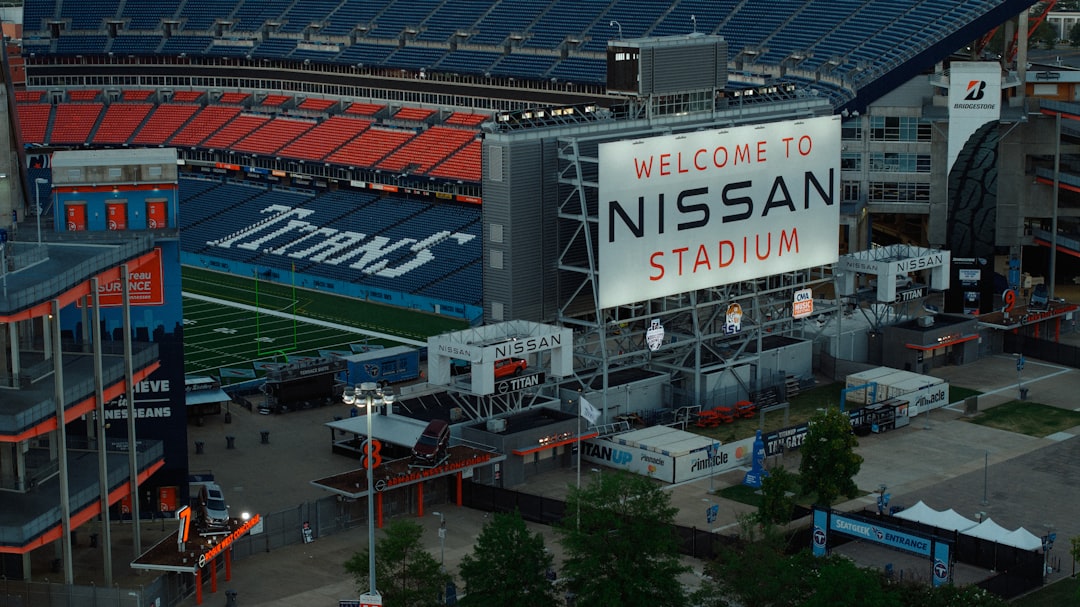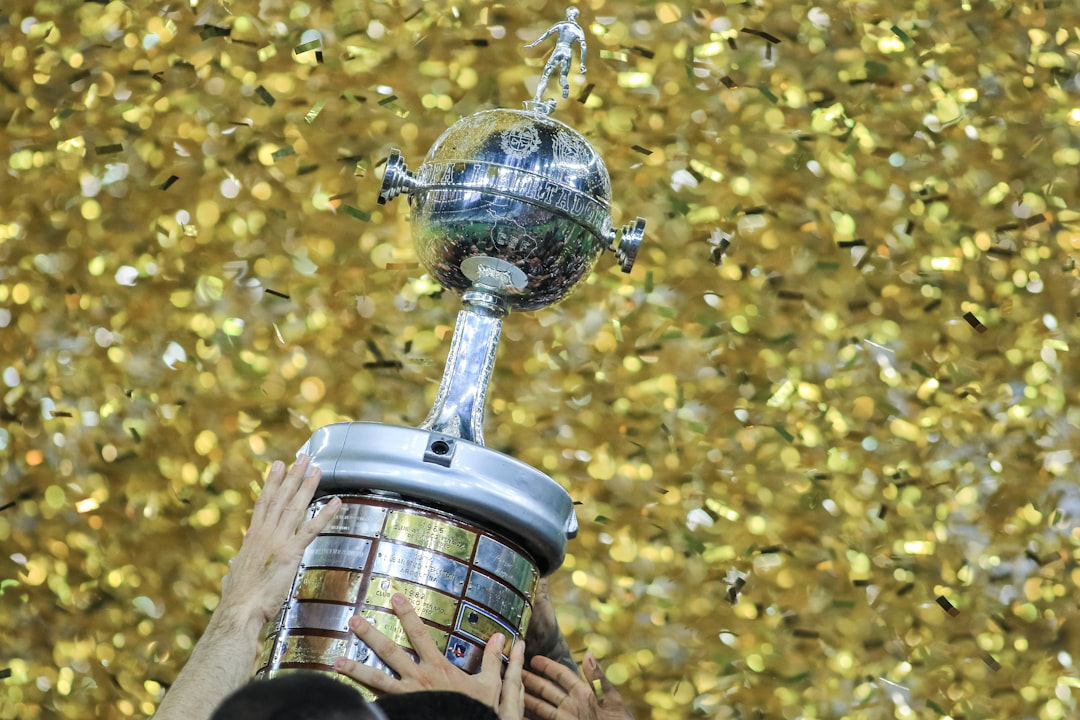
The 2026 World Cup is supposed to be the biggest in history. Forty-eight teams, three host nations, stadiums from Vancouver to Miami. The most lucrative tournament FIFA has ever staged.
And it might collapse because of Donald Trump's obsession with Greenland.
According to The Independent, senior officials at the top of FIFA and UEFA are "very concerned" about the potential impact of the United States' interest in Greenland on the World Cup and the wider game.
There have been no official meetings yet, and there won't be any public statements—at least not yet. Everyone is looking at FIFA president Gianni Infantino and wondering exactly what he's thinking. And that's the problem: FIFA is not a forum for constructive debate. It's geared around one central figure, and that figure may not have the governance suitable for this kind of geopolitical upheaval.
"He simply has to be worried about what next," one source who knows Infantino told The Independent.
The Boycott Talk Is Real
Let's be clear: the idea of threatening a boycott has already been raised in German political circles. There's been a petition in the Netherlands. Multiple European federations are discussing their options.
"It would be remarkable if European leaders weren't seriously discussing a boycott as an option," said Nick McGeehan of FairSquare.
No federation wants to openly talk about "red lines," and everyone is referring to "hypotheticals." But it doesn't even need to be said that any US invasion of Greenland would force a strong response.
What officials are especially concerned about is how the precedent of the Russia ban offers no breathing space. Russia was banned from international soccer after invading Ukraine. If the United States were to invade Greenland—a territory of Denmark, a FIFA and UEFA member—how could European federations not respond?
The World Cup is square in the center of it all. It's "an obvious point of leverage" for European federations, McGeehan says.
Infantino's Trump Problem
Here's where it gets complicated: Infantino has openly courted Trump. He awarded him the FIFA Peace Prize just days before Trump made inflammatory statements about Greenland. The optics couldn't be worse.
In normal cases, a more apolitical federation could fairly cast itself as a victim of geopolitical events. But Infantino's proximity to Trump makes him a much more central character in this story.
"This is why they didn't make themselves political," one senior executive said, referring to FIFA's historical stance. "It's Harold Macmillan: events, dear boy, events."
Infantino has been explicit about the role of football and the World Cup in uniting the world and bringing "people together." Those close to the president within FIFA have even talked about how few people in the world are as well-equipped to mediate in Israel-Palestine.
Infantino himself described this World Cup as "the biggest moment in history, a moment that brings the whole world together. And we want everyone to be united… the world will stand still and watch what happens in the three amazing host countries."
That was on his Instagram in 2023. There's nothing about any of this now. And the world is indeed watching.
Does Infantino Have the Skills?
If ever there was a time for Infantino's questionable relationship with Trump to be useful—even justifiable—it is now. Who is actually better positioned to talk to Trump about this? Other world leaders have their own national pressures.
But does Infantino even have the skills to talk to Trump in this way? Some argue that the FIFA Peace Prize was specifically awarded for this purpose: to smooth the US president for future political leverage.
"Trump remains at his heart a ratings man, and a European boycott kills this World Cup and would deprive him of his role in the 'greatest show on earth,'" McGeehan said. "Beyond that, a boycott would provoke anger in the host cities, and among sponsors and broadcasters."
Other football figures are scathing about Infantino's geopolitical "cosplaying."
"It's back to him thinking he rubs shoulders with Trump and MBS, whereas they see him as a useful idiot," one official said, referring to Saudi Crown Prince Mohammed bin Salman.
Denmark at the Center
Some European federations want to show solidarity with Denmark. Most are waiting to see what happens next. There's even been discussion about UEFA finally giving Greenland full membership—they've wanted it for years—but there's currently no will to do that.
More abrasive officials believe a truly politicized FIFA should now be more hardline and threaten to move the World Cup immediately, given that Denmark is one of their members.
The situation has rippled out in other ways. US investors who were recently interested in Danish clubs have suspended negotiations pending what happens with Greenland, according to one source involved.
Unprecedented Territory
Look, I've covered sports for 20 years, and I've never seen anything like this. A World Cup—the World Cup, the biggest one ever—potentially collapsing because of geopolitics before it even starts? That's unprecedented.
But here's the reality: FIFA spent decades keeping politics out of football. They maintained strict neutrality. They didn't award peace prizes to controversial leaders. They didn't cozy up to autocrats.
Infantino changed all that. He courted Trump. He courted MBS. He made FIFA political. And now, when geopolitical events threaten to derail the biggest tournament in the organization's history, FIFA doesn't have the institutional structure to handle it.
As of now, like much of the world, football is waiting—and hoping. None more so than the president who brought the tournament to the States.
The time for politics is actually now. And Infantino needs to step up—or step aside.