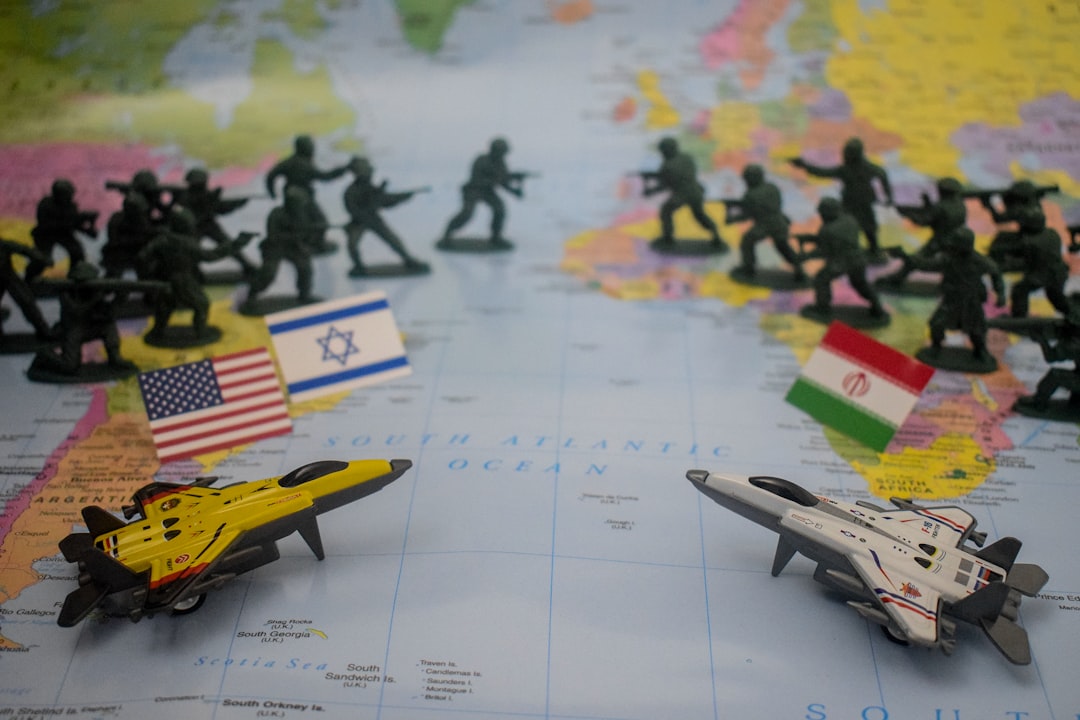
President Donald Trump declared he doesn't care if negotiations with Iran are over, calling the diplomatic process "very boring" and signaling American abandonment of diplomatic engagement in favor of military pressure.
The comments, reported by USA Today, came during a weekend golf outing when asked about Tehran's suspension of talks. Trump's dismissive response marks a sharp departure from standard diplomatic messaging and effectively closes the door on near-term de-escalation.
For Israel, the president's unpredictability presents both opportunities and risks. Israeli leadership is sharply divided over what Trump's approach means for regional security and Israeli strategic planning.
Hawkish Israeli officials welcomed the comments as confirmation of "maximum pressure" strategy toward Iran. "Trump understands that Tehran only responds to strength, not endless negotiations," one senior government minister told Israeli media.
But security establishment figures expressed private concern about uncontrolled escalation without diplomatic off-ramps. "In Israel, as across contested regions, security concerns and aspirations for normalcy exist in constant tension," noted one former Mossad official. Military planners prefer clear American strategy over improvised responses.
The uncertainty affects Israeli defense planning. With Trump signaling disinterest in diplomacy, Israeli military must prepare for scenarios ranging from U.S.-Iran war to sudden presidential pivot toward deals. The president's transactional approach and boredom with diplomatic process makes predicting American moves nearly impossible.
Israeli intelligence agencies have intensified monitoring of Iranian nuclear facilities, knowing that diplomatic breakdown could accelerate Tehran's weapons program. Without negotiations constraining Iranian enrichment, the timeline to weapons-grade uranium shortens significantly.
Some Israeli officials worry that Trump's casual dismissal of diplomacy undermines international coalition-building against Iran. European allies who favored negotiations may distance themselves from U.S. policy, complicating Israeli efforts to maintain Western unity on Iranian sanctions.
The comments also raised questions about Trump's commitment to Israeli security versus personal whims. Israeli leaders have long relied on bipartisan American support, but the president's characterization of regional security negotiations as "boring" suggested engagement driven by entertainment value rather than strategic calculation.
Opposition politicians in Israel seized on the uncertainty to criticize Prime Minister's reliance on Trump's unpredictability. "We need American strategy, not presidential mood swings," said one Knesset member from a centrist party.
Defense analysts noted the irony that Israeli strikes in Lebanon—which helped collapse the talks—may have been premised on assumption that U.S. diplomacy would continue as backstop. Instead, Trump's boredom comment suggested Washington might not pursue renewed negotiations regardless of Israeli actions.