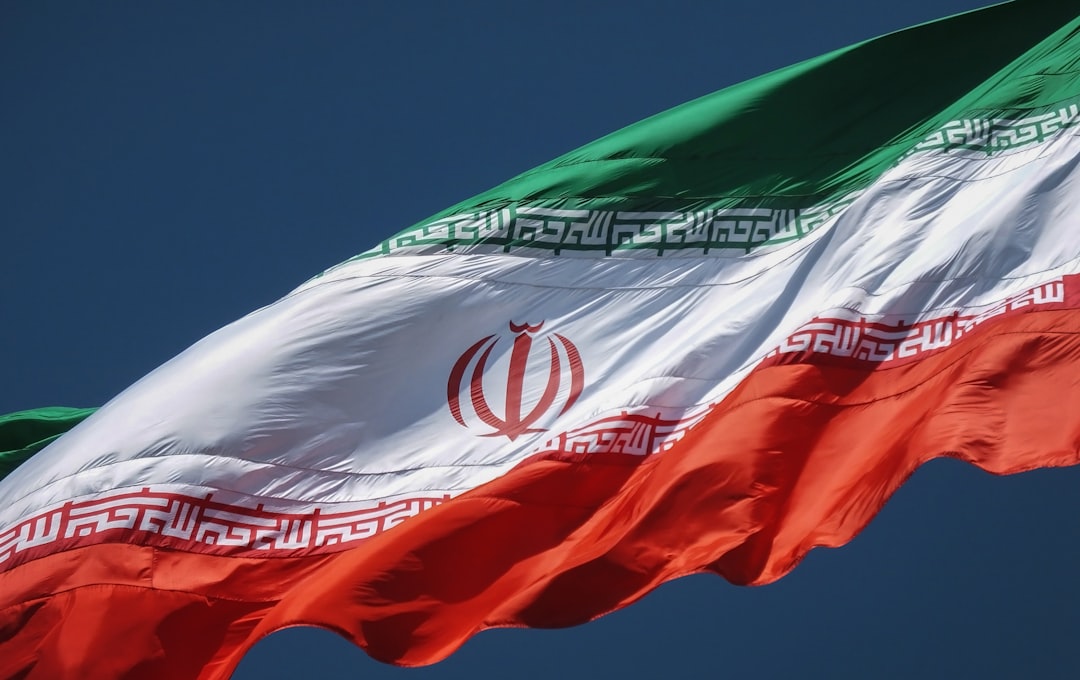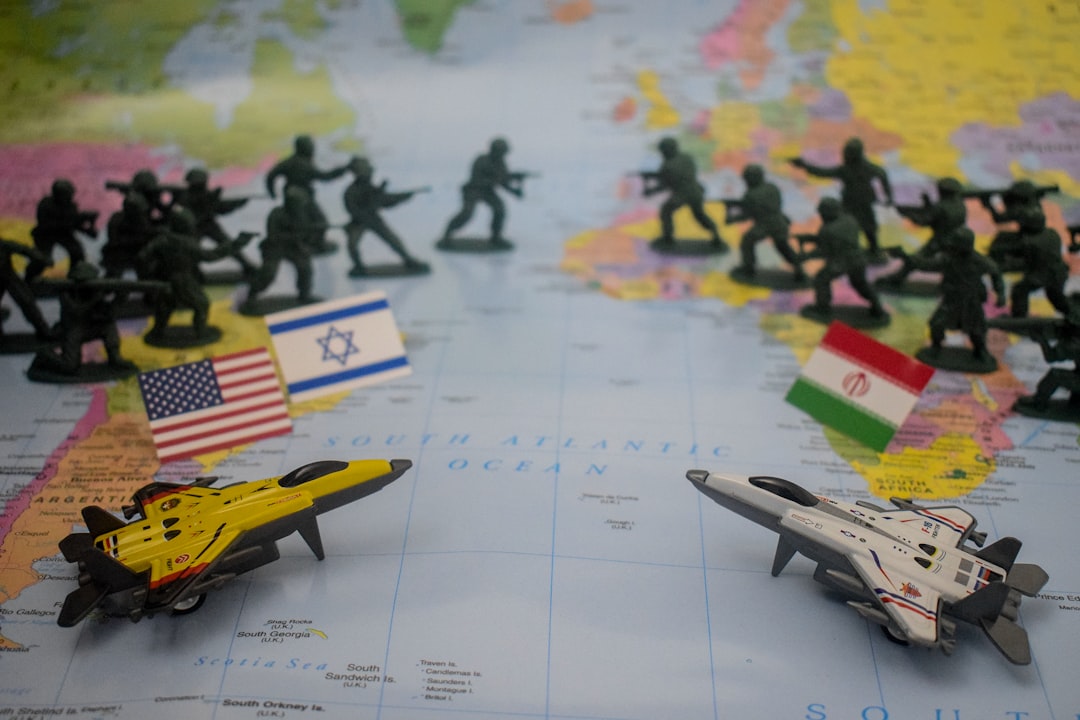

Iran abruptly suspended negotiations with the United States and threatened to "completely" block the Strait of Hormuz, citing Israeli military operations in Lebanon as evidence of American bad faith in diplomatic engagement.
The announcement, reported by CNBC, marks a dramatic collapse of nascent diplomatic efforts that had offered hope for de-escalation. Iranian state media quoted senior Revolutionary Guard commanders vowing to close the critical waterway through which nearly one-fifth of global oil passes daily.
The breakdown reveals the complex tension between U.S. peace efforts and Israeli security imperatives. While Washington had been quietly pursuing talks with Tehran to reduce regional tensions, Israel conducted strikes against what it described as Iranian weapons transfers through Lebanon to Hezbollah.
Israeli defense officials maintain the operations were purely defensive, targeting precision-guided missiles that would threaten Israeli cities. "In Israel, as across contested regions, security concerns and aspirations for normalcy exist in constant tension," one senior officer noted, speaking on condition of anonymity.
But Iranian officials seized on the strikes as proof that Washington could not control its ally. "How can we negotiate while the American client state attacks our interests with impunity?" asked Iran's Foreign Ministry spokesperson.
The Hormuz threat carries economic weight. Energy markets reacted immediately, with crude oil prices jumping 7% on concerns about supply disruptions. Israeli strategic planners have long gamed scenarios where Iranian blockade of the strait triggers international intervention.
For Israel, the diplomatic collapse presents a dilemma. Prime Minister's advisers had privately welcomed U.S.-Iran talks as potentially reducing Tehran's support for Hamas and Hezbollah. But security officials argued that allowing Iranian weapons buildups in posed an unacceptable risk.