
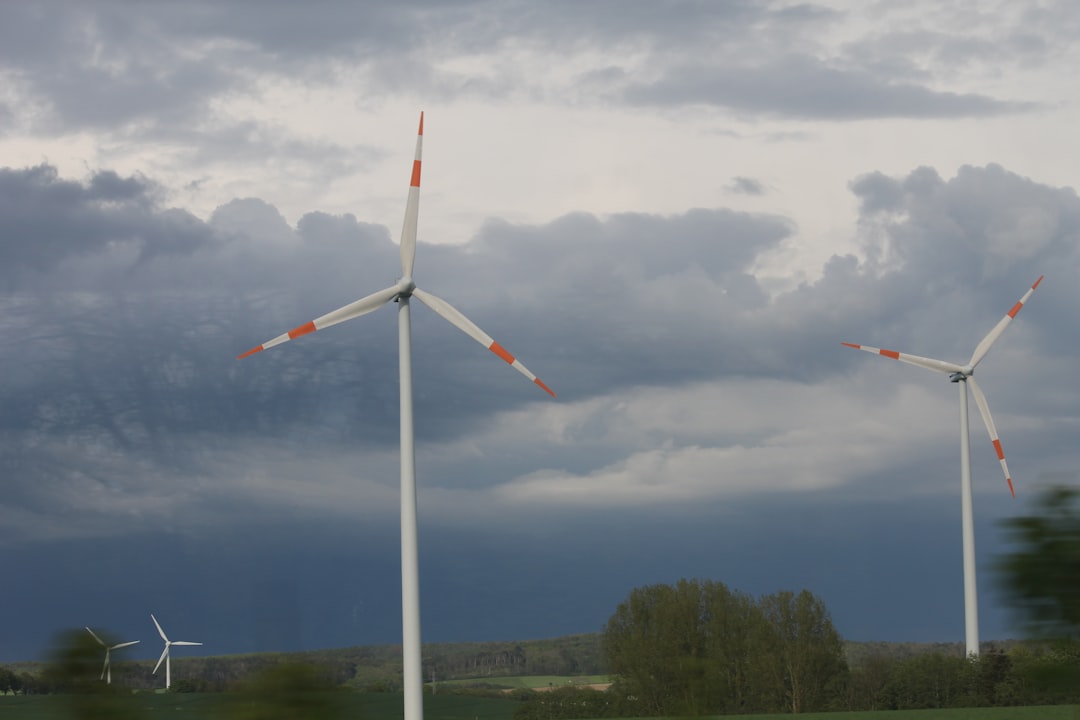
The Trump administration has committed nearly $2 billion in taxpayer funds to terminate offshore wind projects already under development, marking an unprecedented fiscal commitment to reversing renewable energy infrastructure in the name of national security.
The buyouts target major wind developments along the East Coast, with TotalEnergies receiving $1 billion to abandon projects off North Carolina and New York, while Bluepoint Wind and Golden State Wind—co-owned by Ocean Winds—will receive nearly $900 million combined to relinquish their leases. The administration pursued the buyout strategy after federal courts blocked executive orders attempting to halt wind development outright.
In climate policy, as across environmental challenges, urgency must meet solutions—science demands action, but despair achieves nothing. Yet this historic expenditure moves in precisely the opposite direction, dismantling solutions already in motion while invoking artificial intelligence leadership as justification.
The administration claims the strategy will "lower costs for families, increase reliability and help the United States maintain global leadership in artificial intelligence," though no technical analysis has been released demonstrating how offshore wind interferes with AI development. TotalEnergies CEO Patrick Pouyanné echoed the administration's framing, declaring the projects "not in the country's interest."
Congressional Democrats have denounced the spending as fiscally reckless and strategically misguided. Rep. Jared Huffman called it a "scam" where the administration will "light a lot of federal taxpayer money on fire," while Senate Democratic Leader Chuck Schumer characterized it as a "bailout for fossil fuel donors dressed up as a deal."
The terminations carry significant employment consequences. The cancelled projects would have created thousands of good-paying union jobs, according to industry analyses. Energy law expert Kristoffer Svendsen predicts companies will redirect offshore wind investments to Europe and Asia instead, where regulatory environments remain supportive.
The buyout structure includes a controversial requirement: companies receive lease fee reimbursements only if they invest equal amounts in fossil fuel projects—a creative legal workaround developed after the courts blocked more direct intervention. This mechanism effectively converts federal renewable energy infrastructure spending into fossil fuel subsidization.
The SouthCoast Wind project off Massachusetts has slowed development but has not been formally terminated, suggesting negotiations may still be underway. The uncertainty has frozen billions in planned renewable energy investment across the Atlantic seaboard.
Climate advocates emphasize that the United States already lags behind China and European Union countries in offshore wind deployment. The $2 billion expenditure represents approximately one-quarter of the entire federal renewable energy research budget, raising questions about fiscal priorities in climate transition.
The administration has not specified what national security threats offshore wind poses, nor has it addressed how terminating domestic renewable energy projects enhances energy independence. The Department of Defense has not issued public statements supporting the national security rationale.
Legal challenges to the buyout mechanism appear likely, with environmental law experts questioning whether executive branch agreements requiring fossil fuel investments as conditions for lease terminations exceed statutory authority. Huffman warned, "You can't come into the United States and do a backroom deal like this."
For workers who had secured positions on the now-cancelled projects, the fiscal reversal represents both immediate job loss and longer-term uncertainty about the U.S. renewable energy sector's viability. Union representatives have not yet issued formal responses to the terminations.