
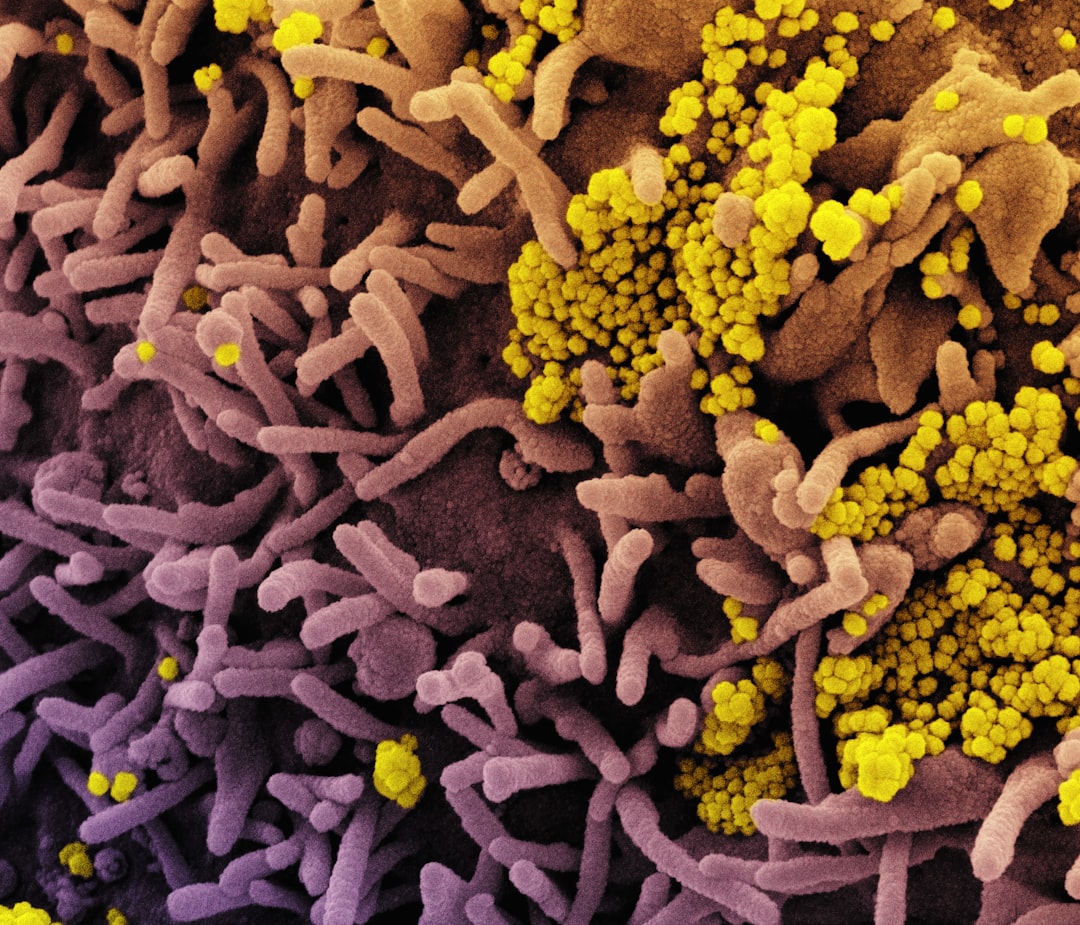
Warming soil is accelerating the spread of antibiotic-resistant genes in natural environments, according to an 11-year field experiment that reveals a hidden pathway through which climate change threatens global health.
Research published in Nature by Linwei Wu and colleagues found that soil warmed just 3°C above ambient conditions showed nearly 24 percent increased antibiotic resistance genes compared to control plots. Bacteria from warmed soil exhibited greater resistance to 22 different antibiotics, suggesting climate change may undermine medicine's ability to treat infections.
The mechanism operates through two pathways. First, higher temperatures favor Actinomycetota bacteria—a group of mostly Gram-positive organisms that naturally carry many resistance genes. As warming accelerates their growth, soil concentrations of antibiotic resistance genes (ARGs) increase proportionally. Second, elevated temperatures make resistance genes themselves more mobile, allowing them to transfer more easily between different bacterial species.
In climate policy, as across environmental challenges, urgency must meet solutions—science demands action, but despair achieves nothing. The soil resistance findings illustrate how climate impacts cascade through biological systems in ways that escape conventional risk assessments.
The researchers maintained experimental plots on a tall-grass prairie using infrared heaters that simulated projected temperature increases for mid-century under moderate emissions scenarios. The 2009-2020 study design allowed long-term observation of how soil microbial communities adapt to sustained warming—critical data given that short-term experiments may miss evolutionary responses.
Actinomycetota emerged as the dominant carrier of resistance genes under warming conditions. These bacteria play essential roles in decomposition and nutrient cycling, making their response to temperature a fundamental shift in soil ecology. The study also found that resistance genes associated with plant pathogens became more common, suggesting agricultural disease management will face dual challenges from both human and crop infections.
The health implications extend beyond immediate medical treatment. If antimicrobial resistance remains unaddressed, projections suggest it could cause up to 10 million deaths annually by 2050—exceeding current cancer mortality. Climate-driven acceleration of resistance in environmental reservoirs compounds this threat by creating additional pathways for resistant bacteria to enter human populations through food systems, water supplies, and direct environmental exposure.
Soil represents a vast reservoir of bacterial diversity where antibiotic resistance genes evolved naturally millions of years before human medicine existed. Agricultural antibiotic use and pharmaceutical waste have already elevated resistance gene concentrations in farmed soils. Climate warming now adds a third pressure that operates independently of human antibiotic consumption patterns.
The 3°C warming applied in the experiment aligns with projected temperature increases for many agricultural regions by 2070 under current emissions trajectories. Some areas may experience even greater warming, particularly at northern latitudes where Actinomycetota abundance is naturally lower—potentially creating geographic shifts in resistance gene distribution.
Agricultural systems face particular vulnerability. Warming soil that increases plant pathogen resistance complicates disease management strategies that already struggle with diminishing antibiotic effectiveness. Livestock operations that use medicated feed may see faster resistance development in surrounding soils under warming conditions.
The study did not directly measure human health impacts, but established pathways exist for soil bacteria to enter human systems. Food crops grown in soil with elevated resistance genes can harbor resistant bacteria on surfaces and in tissues. Water runoff from warmed soils may carry resistant organisms into drinking water sources. Agricultural workers face direct exposure during cultivation activities.
Mitigation strategies remain limited. Reducing greenhouse gas emissions addresses the root cause but operates on timescales that allow decades of additional warming. Agricultural antibiotic restrictions can slow resistance spread but cannot prevent climate-driven increases in natural soil resistance. Enhanced surveillance of environmental resistance genes could provide early warning of emerging threats, though monitoring infrastructure remains minimal.
The research adds to accumulating evidence that climate change impacts human health through pathways beyond heat stress, infectious disease range expansion, and food security. Antimicrobial resistance joins a growing list of indirect climate health threats that include mental health impacts, conflict-driven migration, and economic disruption of healthcare systems.
Climate adaptation planning for healthcare sectors typically focuses on infrastructure resilience to extreme weather and infectious disease surveillance. The soil resistance findings suggest that pharmaceutical development pipelines, infection control protocols, and agricultural disease management all require climate-informed updates to account for accelerating resistance.
The 11-year study duration represents unusual commitment in climate-microbiology research, where most experiments run one to three years. The extended timeline revealed that resistance gene increases accelerated after year five, suggesting initial microbial community responses gave way to evolutionary adaptation—a pattern short-term studies would miss entirely.