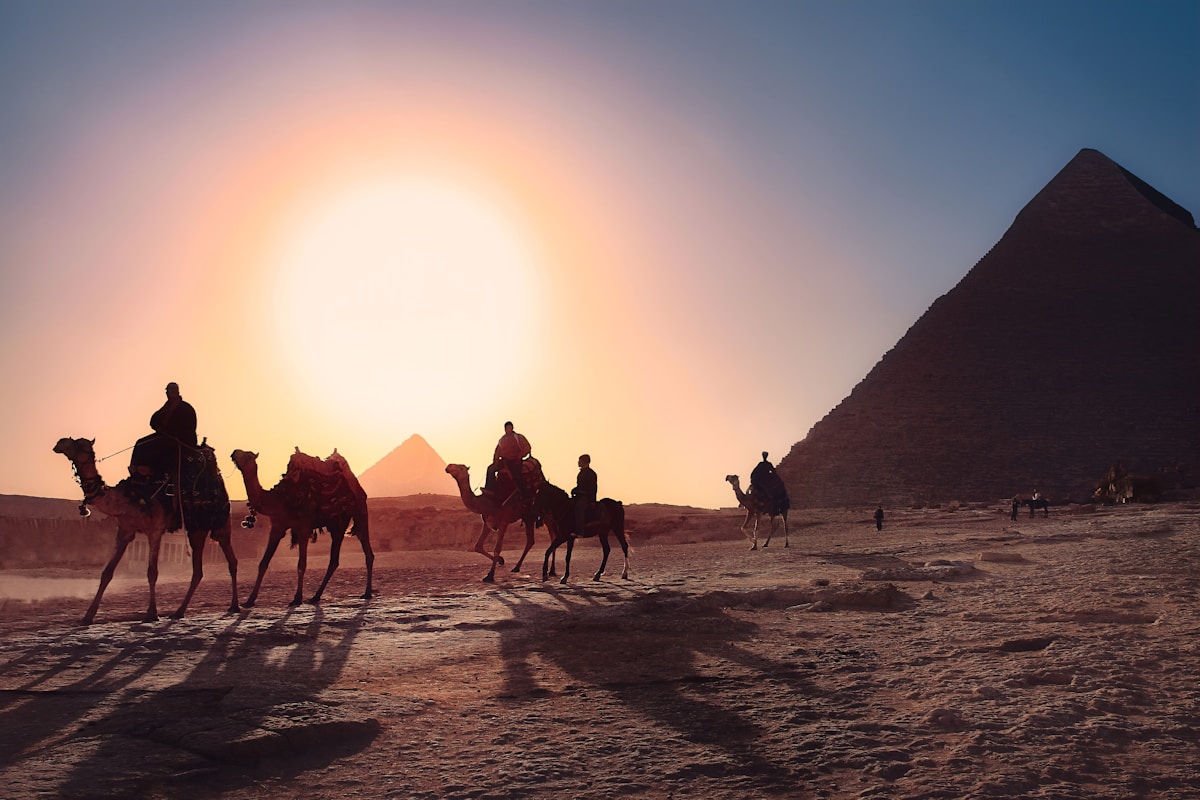
A tourist in Aswan, Egypt facing restaurant closures and 35°C heat during Ramadan highlights challenges travelers encounter when visiting Muslim-majority countries during the holy month. The experience sparked a discussion offering practical survival strategies.
Ramadan, the Islamic month of fasting from dawn to sunset, affects approximately 1.8 billion Muslims worldwide and significantly impacts travel in countries across the Middle East, North Africa, and parts of Asia.
The Restaurant Reality
In conservative areas like Aswan, most restaurants close during daylight hours out of respect for those fasting. Hotel restaurants may serve guests, but street food, local cafes, and traditional restaurants typically shut down from dawn to sunset.
This creates a challenging situation for tourists who may not have planned for limited food access throughout the day—particularly in intense heat that increases hunger and thirst.
Where to Find Food
Travelers shared practical solutions:
Hotel restaurants: Even budget hotels often serve meals to non-Muslim guests during Ramadan. Ask at reception.
Grocery stores: Remain open and stock food items travelers can eat discreetly in their accommodation.
Tourist areas: Major tourist zones in cities like Cairo, Marrakech, or Dubai maintain some daytime food service, though more limited than usual.
International chains: McDonald's, KFC, and similar establishments in touristy areas may stay open, though this varies by location and country.