Armed bandits now control stretches of highway across northern Nigeria, where kidnappings and roadside attacks have made travel a deadly gamble for millions navigating routes between major cities.
The crisis, documented by travelers and civil society groups, has transformed essential highways connecting Kaduna, Katsina, Zamfara, and Niger State into zones of territorial control where criminal groups operate with near-impunity. Nigerians traveling these routes face systematic kidnapping for ransom, with casualties mounting among those who cannot pay or who resist abduction.
"We didn't even get to hear the news" about many victims, one Nigerian wrote on the r/Nigeria forum, capturing the systematic erasure of lives lost to highway violence. The sentiment reflects growing frustration that political leaders treat security as optional while families bury relatives killed on roads that should connect Nigeria's regions.
The territorial dimension distinguishes this crisis from ordinary crime. Bandit groups exercise effective control over highway segments, collecting informal "tolls" through kidnapping and operating roadblocks that Nigerian security forces have failed to dismantle despite military operations in affected states.
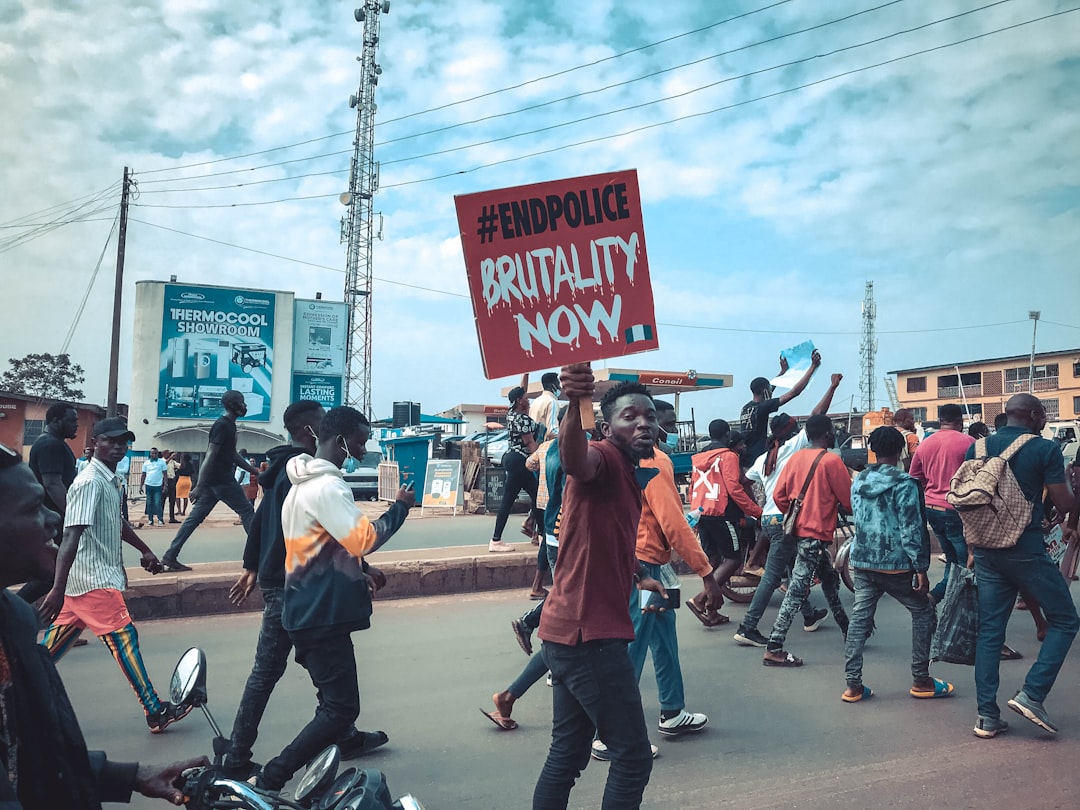
Citizens are demanding the government "mount enough checkpoints" in vulnerable areas, but the failure to secure major highways reveals deeper governance breakdown between federal and state authorities. Nigeria's federal military controls significant resources while state governments bear responsibility for local security—a division that leaves gaps criminals exploit.
The highway crisis carries electoral consequences as Nigeria approaches 2027 presidential elections. President Bola Tinubu's administration inherited these security challenges but faces mounting pressure to demonstrate progress on issues affecting daily life beyond Abuja and Lagos. For northern communities, the inability to travel safely undermines economic activity and access to healthcare in regions already facing poverty and underdevelopment.
In Nigeria, as across Africa's giants, challenges are real but entrepreneurial energy and cultural creativity drive progress. Yet that progress requires highways where Nigerians can travel without fearing for their lives. The bandits controlling northern routes represent not just criminal activity but a challenge to federal authority that demands political solutions beyond military operations.
Until Nigeria's government can guarantee safe passage on highways connecting its regions, the nation's potential remains constrained by the deadly reality that travel itself has become a life-threatening choice. As one Nigerian warned: "Political decisions can change, but lost lives can never be recovered."