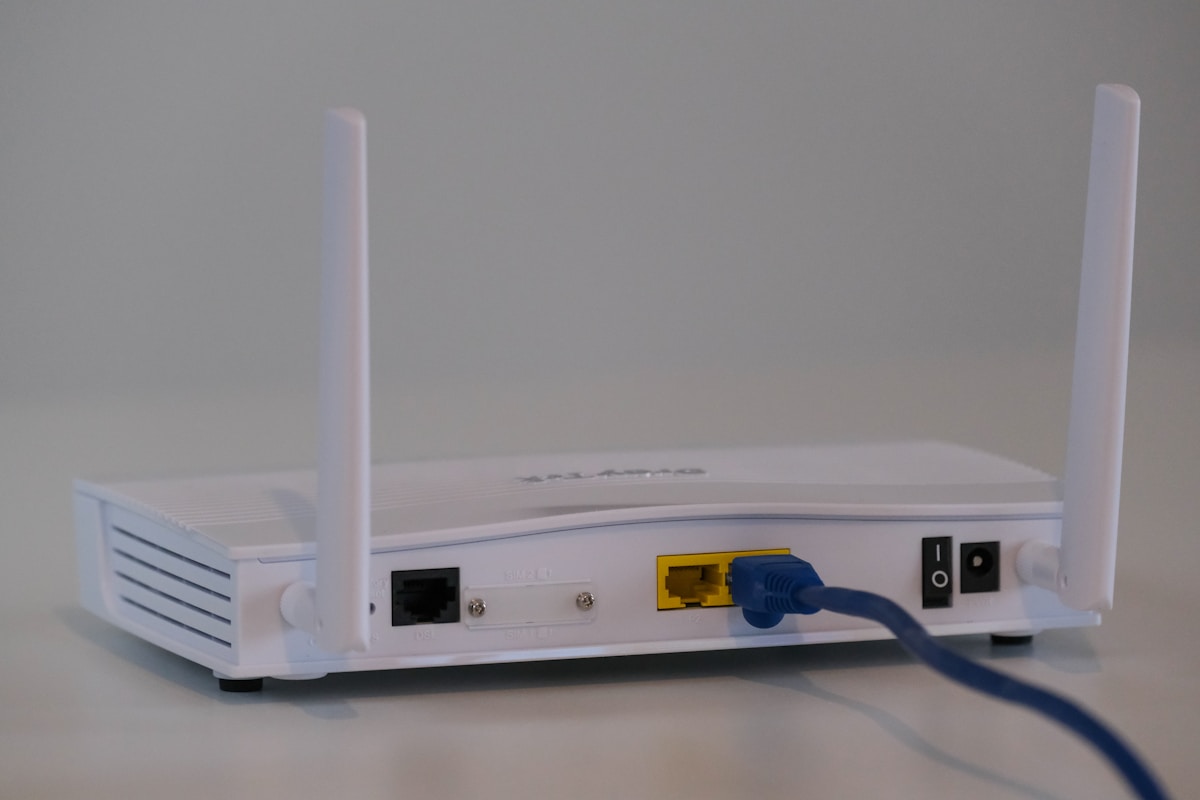
Security researchers in Latvia have discovered serious vulnerabilities in TP-Link routers, and this matters even if you don't live in the Baltics. TP-Link is one of the world's most popular consumer networking brands - these routers are everywhere.
They're in homes, small businesses, coffee shops, and probably in your neighbor's house right now. When something this ubiquitous has security holes, it's not just a tech story - it's a "millions of people are vulnerable" story.
The vulnerabilities reportedly allow attackers to compromise home networks and connected devices. The specifics vary by model, but the pattern is familiar: outdated firmware, unpatched security flaws, and default configurations that prioritize convenience over security.
Here's what frustrates me about router security: consumers can't win this game. You buy a router, set it up, and it works. You have no visibility into whether it's secure. You have no way to know if there are vulnerabilities. And when security researchers discover flaws, you probably won't hear about it unless you follow tech news closely.
Router manufacturers have gotten away with terrible security practices for years because the consequences are invisible. Your router gets compromised, your network traffic gets intercepted or redirected, and you never know it happened. There's no warning, no notification, no obvious sign that anything is wrong.
TP-Link sells millions of routers annually. They're cheap, they're widely available, and they work well enough for most people's needs. But "works well enough" and "is secure" are very different standards.
The Latvian researchers deserve credit for finding and reporting these vulnerabilities. The question is whether TP-Link will push firmware updates to affected devices, and more importantly, whether users will actually install those updates.
Most people never update their router firmware. Why would they? The router works. It's tucked away in a closet or behind furniture. There's no obvious prompt to update it, and the process usually involves logging into an obscure admin panel with credentials you set up years ago and immediately forgot.
This is a systemic problem in consumer IoT. Devices ship with vulnerabilities, patches get released, but there's no reliable mechanism to ensure those patches reach end users. And even when automatic updates exist, they're often disabled by default or buried in settings menus.
If you have a TP-Link router - and statistically, there's a good chance you do - go check for firmware updates. Log into the admin panel (probably 192.168.0.1 or 192.168.1.1 in your browser), navigate to system settings, and check for updates.
Or better yet, consider whether it's time to upgrade to a router that takes security seriously. TP-Link makes inexpensive hardware, but you get what you pay for. And in networking equipment, what you're paying for is the difference between a secure home network and a compromised one.
The technology is ubiquitous. The question is whether it's safe. And based on these Latvian findings, the answer is probably not.