NASA's Artemis II mission has broken Fred Haise's Apollo 13 distance record, sending astronauts farther from Earth than any human in over half a century. And Haise, now 92, couldn't be more gracious about passing the torch.
"It wasn't a big deal," Haise told reporters. "It just coincided with the fact that the Moon was farther away from the Earth."
Classic astronaut understatement. But for those of us watching from the ground, this is a very big deal indeed.
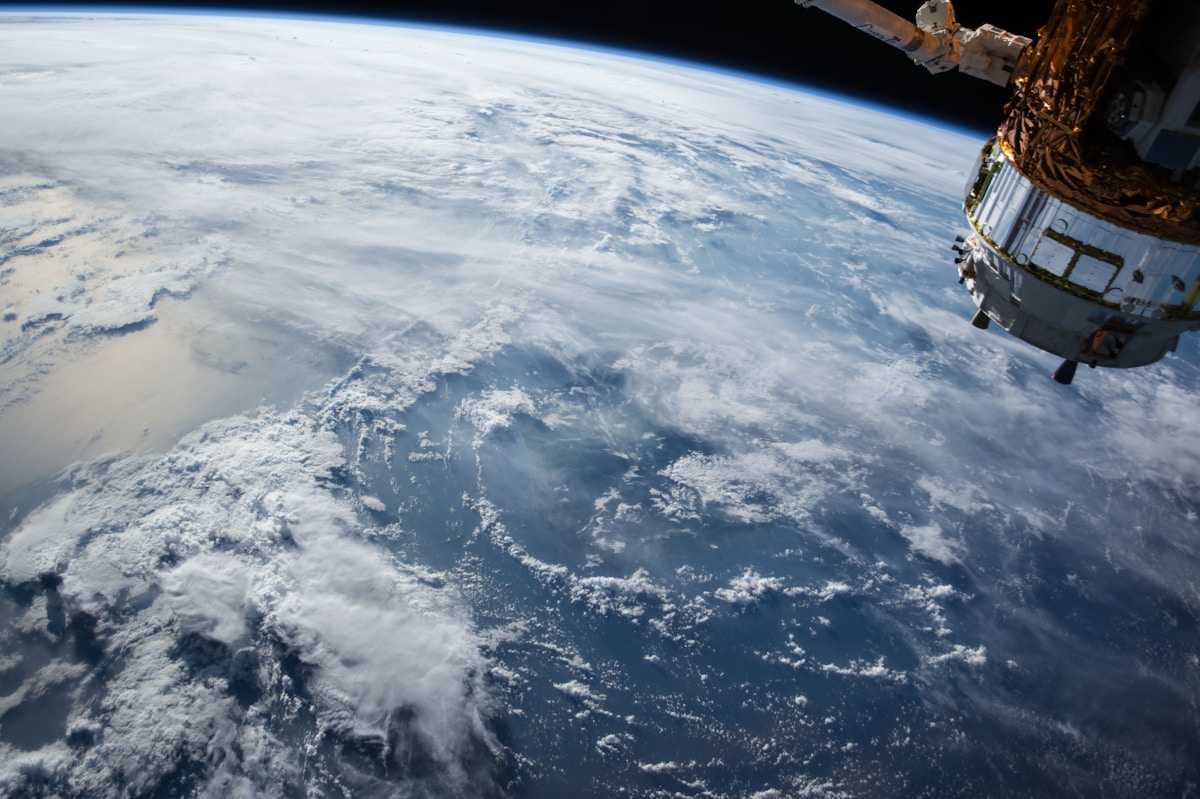
We're finally going farther than Apollo. For decades, humanity has been circling Earth in low orbit - the Space Shuttle, the International Space Station, commercial crew flights. All valuable, all important, but all within a few hundred miles of the planet's surface.
Artemis II is different. This is deep space exploration. This is humans pushing back into the cosmic frontier that we abandoned after the last Apollo mission in 1972.
The distance record itself is almost a technicality - Haise is right that it's partly a function of lunar orbital mechanics. What matters is what this mission represents: the infrastructure buildout for permanent lunar presence.
Artemis I was uncrewed, testing the Orion spacecraft and Space Launch System. Artemis II puts astronauts on that hardware, sending them around the Moon but not landing. Artemis III - scheduled for 2027 - will put boots on the lunar surface for the first time since Gene Cernan left in 1972.
This isn't Apollo 2.0. The goal isn't flags and footprints. It's building the capability to stay - lunar gateways, surface habitats, resource extraction. The kind of infrastructure that makes the Moon a waypoint rather than a destination.