Chilean Patagonia's Torres del Paine has a reputation that intimidates independent travelers: serious wilderness, expensive guided tours, and logistics that seem to require professional organization. A recent solo trekker's experience challenges that assumption.
After six nights camping around Torres del Paine, tackling multiple famous routes without guides or tour companies, the traveler's conclusion was clear: "Fully self-planned and guided—feel free to ask questions if you want to do something similar!"
The Route
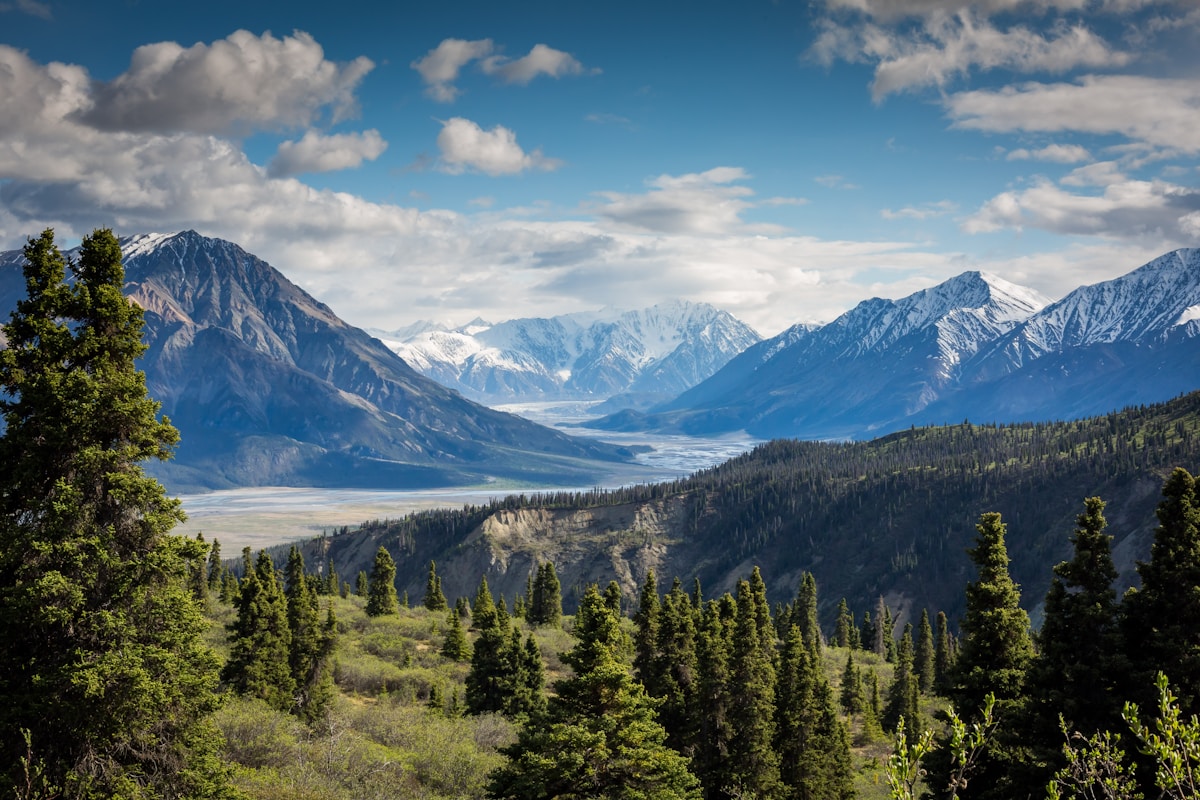
The solo hiker's favorite campsite was Lago Pehoe, offering panoramic views of the bright blue lake and Paine Massif. The trek included both multi-day camping circuits and day hikes like Mirador Cuernos and Salto Grande.
The pinnacle was the ascent to Base Torres—Torres del Paine's signature viewpoint—blessed with bluebird weather after days of challenging conditions including "vicious snow."
The Weather Reality
Patagonia's weather reputation is well-earned. The hiker described conditions as "generous" overall but noted weather "flipped on a dime" with sudden snow events. This volatility is precisely why many travelers default to guided tours with fixed itineraries and refuge accommodations rather than camping.
Successfully managing this requires: • Proper four-season tent and sleeping bag • Flexibility to wait out poor conditions or adjust routes • Mental preparation for challenging weather rather than hoping for the best • Understanding that "bluebird" days for key ascents are gifts, not guarantees
Why Self-Guided Works
Several factors make Torres del Paine more accessible to independent trekkers than its reputation suggests:
Well-marked trails: The main routes are clearly signed and heavily trafficked during season. You're rarely alone for long periods.
Infrastructure exists: Campsites with facilities are spaced along major routes. While you need to book ahead, the system is straightforward.
No technical climbing: The famous routes including the Base Torres ascent are strenuous hikes but don't require mountaineering skills.
Active community: You'll encounter other trekkers daily. While you shouldn't rely on others for safety, you're not in true isolation.
The Cost Difference
While the trip report didn't detail specific costs, the difference between guided and self-guided Torres del Paine is dramatic:
Guided tours with refugio accommodation typically run $2,000-4,000+ per person for a week, excluding international flights.
Self-guided camping costs include: • Park entrance: ~$40 • Campsite fees: ~$15-30 per night • Bus transport from Puerto Natales: ~$20-40 • Food: Whatever you carry in
Total: $200-400 for a week-long trek
This represents savings of literally thousands of dollars while arguably offering a more authentic wilderness experience.
What You Need
Solo self-guided Torres del Paine isn't for everyone. Realistic prerequisites:
• Hiking experience: You should be comfortable with multi-day treks carrying full pack weight (15-20kg)
• Navigation skills: While trails are marked, you need to read maps and make route decisions
• Weather management: Understanding when to push forward versus when to wait out conditions
• Proper gear: Four-season tent, sleeping bag rated to -10°C or lower, reliable stove, quality rain gear
• Physical fitness: Days involve 15-25km with significant elevation gain carrying full pack
• Mental resilience: Solo wilderness camping in challenging conditions requires psychological preparation
Planning Resources
The traveler's offer to answer questions reflects a key resource for self-planning: trip reports from recent independent trekkers. These provide practical details that official tourism sites often lack.
Key information to research: • Campsite booking systems and advance reservation requirements • Current trail conditions and seasonal considerations • Water availability and purification needs • Food resupply options (or lack thereof) • Emergency extraction procedures and communication options
The Bigger Picture
The Torres del Paine self-guided success story represents a broader truth in adventure travel: many "expert-only" destinations become accessible with proper research, appropriate skills, and realistic risk assessment.
The tourism industry naturally emphasizes guided options—that's how companies make money. But for travelers with hiking experience and willingness to invest time in planning, world-class wilderness experiences remain accessible without the world-class price tags.
As the solo trekker demonstrated, Chilean Patagonia doesn't require a tour operator. It requires preparation, proper gear, and the confidence to trust your skills in genuine wilderness.