
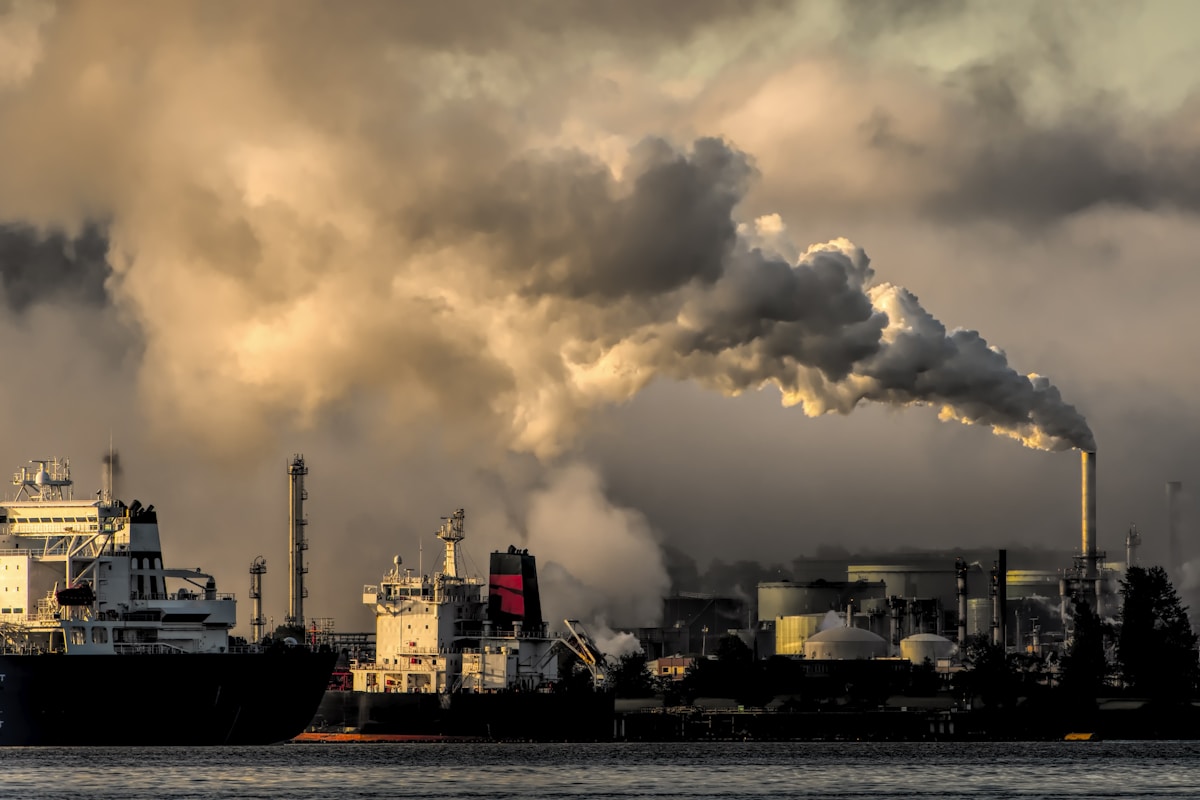
Thermal drone footage captured Elon Musk's artificial intelligence company xAI discharging heated water into municipal systems in violation of Environmental Protection Agency regulations, according to investigative reporting by Floodlight News.
The thermal imaging revealed temperature violations at xAI's Memphis data center facility, where the company operates large-scale computing infrastructure for AI model training. The footage shows heated water discharge exceeding permitted temperatures—a violation that can harm aquatic ecosystems and municipal water treatment capacity.
Data centers consume enormous quantities of water for cooling high-performance computing systems. A single large facility can use millions of gallons daily, rivaling small cities in water consumption. As AI companies race to build massive training infrastructure, the environmental footprint of artificial intelligence has become impossible to ignore.
In climate policy, as across environmental challenges, urgency must meet solutions—science demands action, but despair achieves nothing. The xAI violations underscore that technological innovation must not come at the expense of environmental protection, particularly when solutions to thermal pollution exist and regulations are already in place.
Thermal pollution occurs when heated water discharge raises receiving water temperatures beyond ecological tolerance levels. Even small temperature increases can devastate aquatic life by reducing dissolved oxygen, altering species composition, and disrupting reproductive cycles. Municipal wastewater systems also face capacity constraints when accepting heated industrial discharge.
The EPA and state environmental agencies set strict temperature limits for industrial discharges to protect water quality. Violations carry civil penalties and can trigger enforcement actions requiring facility modifications or operational changes. The thermal drone evidence provides clear documentation that would support regulatory enforcement.
xAI's facility represents the broader environmental challenge of AI infrastructure expansion. Training large language models and other AI systems requires massive computing clusters operating continuously at high intensity. The resulting electricity consumption and cooling demands create substantial carbon emissions and water stress—particularly when facilities locate in regions with coal-heavy grids or water scarcity.