The European Union has imposed its first-ever sanctions on Israeli settlers implicated in violence against Palestinians in the West Bank, according to Reuters, marking a significant assertion of independent European policy in the Middle East despite fierce opposition from Jerusalem.
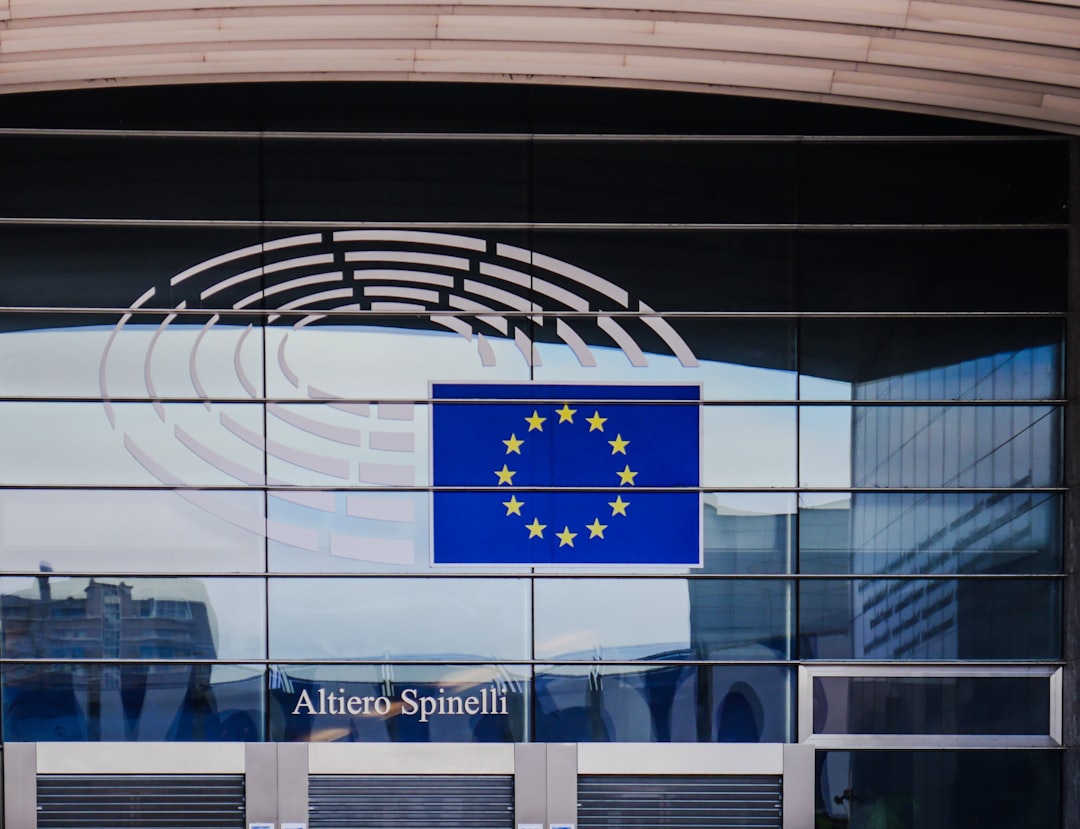
EU foreign ministers meeting in Brussels agreed to asset freezes and travel bans targeting individuals and entities connected to settler violence, including attacks on Palestinian villages, destruction of property, and what European officials characterize as systematic intimidation designed to force Palestinian residents from their land. The sanctions represent the EU's most direct criticism of Israeli settlement policy since the bloc labeled settlement goods in 2015.
The move comes amid escalating tensions in the West Bank, where settler violence has intensified dramatically over the past two years. Palestinian authorities and international monitors report hundreds of incidents ranging from vandalism and crop destruction to physical assaults and, in several cases, killings. Israeli human rights organizations have documented what they describe as a campaign of intimidation operating with tacit approval—and sometimes active participation—of Israeli security forces.
Israel's government reacted with fury to the EU decision. Foreign Minister officials condemned the sanctions as "one-sided" and "disconnected from reality," arguing that European focus on settler violence ignores Palestinian attacks on Israeli civilians and represents a fundamental misunderstanding of security dynamics in disputed territories.
Yet European officials counter that the sanctions target specific individuals responsible for documented violent acts, not Israeli settlement policy broadly. "This is about accountability for violence, not politics," a senior EU diplomat told reporters on background. "When individuals engage in violent attacks on civilians, there must be consequences."
To understand today's headlines, we must look at yesterday's decisions. European frustration with settlement expansion and settler violence has built for years, but the EU's institutional structure—requiring unanimous agreement among 27 member states for foreign policy decisions—made sanctions practically impossible as long as states like Hungary and Austria maintained strongly pro-Israel positions.
That calculus shifted as settler violence intensified and video documentation of attacks circulated widely on social media, making European inaction politically untenable domestically. The breakthrough came when traditionally pro-Israel member states accepted narrowly targeted sanctions on individuals implicated in violence, as distinct from broader measures targeting settlement policy or the Israeli government.
The practical impact of these sanctions may prove limited. Asset freezes matter only if targeted individuals hold European assets—unlikely for West Bank settlers. Travel bans prevent entry to EU territory, but many sanctioned individuals may have no intention of visiting Europe regardless. The enforcement mechanisms remain unclear, particularly regarding how the EU will verify compliance and respond to violations.
What matters more is the symbolism and precedent. The EU has now established that Israeli citizens can be subject to European sanctions for actions in occupied territories. This creates a framework that could be expanded to include additional settlers, settlement organizations, or potentially even Israeli officials if violence continues. For Jerusalem, the worry is less about current sanctions than the trajectory they represent.
The sanctions also highlight diverging transatlantic approaches to the Israeli-Palestinian conflict. While the United States under successive administrations has criticized settlement expansion rhetorically, Washington has been unwilling to impose meaningful consequences on Israel over settlement policy. Europe, freed from the domestic political constraints that shape American policy, increasingly pursues independent positions.
Palestinian authorities welcomed the EU decision while noting its limited scope. "This is a step in the right direction, but far more is needed," said a Palestinian Authority spokesperson. Palestinian advocates argue that sanctioning individual settlers while European governments maintain normal relations with Israel and accept settlement goods into European markets constitutes a fundamental contradiction.
For the settler movement itself, European sanctions may prove counterproductive from a Palestinian perspective. Rather than deterring settlement expansion or violence, the measures could reinforce settler ideology that portrays them as embattled defenders of Jewish sovereignty against hostile international forces. Some settlement leaders have already framed EU sanctions as validation of their importance.
The timing of the EU action coincides with intensifying diplomatic efforts to revive moribund peace negotiations and prevent further deterioration in the West Bank. Whether sanctions advance or hinder those objectives remains debatable. Proponents argue accountability measures are necessary to establish rule of law; critics contend they alienate Israeli moderates and harden positions on all sides.
Beyond the immediate Middle East context, the EU sanctions reflect broader European efforts to assert independent foreign policy distinct from American positions. Brussels increasingly views autonomous policy capability—whether on China, Russia, or the Middle East—as essential to European strategic sovereignty. Imposing sanctions despite Israeli and likely American displeasure demonstrates that capability.
The United States has not publicly commented on the EU sanctions, though American officials privately express concern that uncoordinated Western policies toward Israel could undermine broader regional diplomacy. Yet with Washington itself deeply divided over Israeli policy, coordinated transatlantic positions on Palestinian issues seem unlikely.
For Palestinian civilians living under settlement expansion and settler violence, the EU sanctions offer modest hope that international accountability mechanisms might eventually impose costs on attackers. Whether those costs prove sufficient to alter behavior—or whether they simply add another layer of symbolism to a conflict rich in gestures but poor in solutions—will become clear in coming months as Europe decides whether to expand or abandon this initial step.