A24's The Drama is the kind of movie that makes people uncomfortable in all the right ways—and possibly some of the wrong ones too.
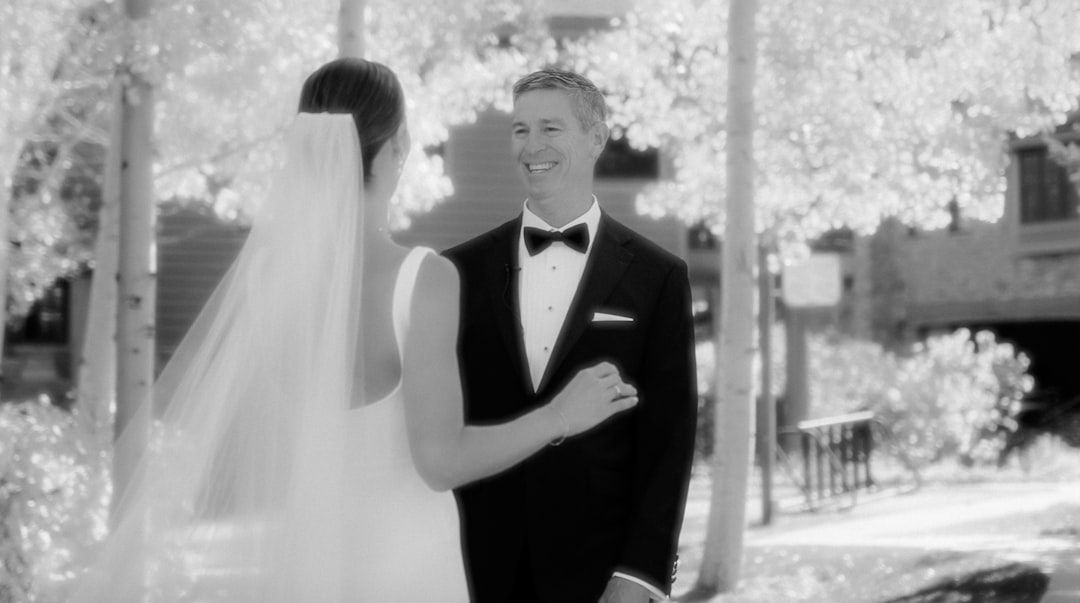
Director Kristoffer Borgli (Dream Scenario) has crafted a squirm-inducing psychological thriller disguised as a wedding dramedy, starring Robert Pattinson and Zendaya as a couple whose impending nuptials get derailed by a single, devastating revelation. The reviews are in, and they're all over the map—86% on Rotten Tomatoes, but a more divisive 65 on Metacritic—which tells you everything you need to know about the kind of film this is.
Let's start with what works. Pattinson is doing the twitchy, neurotic thing he does better than almost anyone working today. The Times gave it a perfect 10/10, calling it «a nuptial apocalypse explored with dark intelligence and mordant wit.» IGN praised it as «one of the most delightfully nerve-wracking rabbit holes you're likely to tumble down this year.» Zendaya, fresh off Challengers, continues her streak of choosing the riskiest possible projects and nailing them.
But here's where it gets complicated. The film deals with traditionally difficult subject matter—specifically, a secret from one character's past that becomes a dealbreaker (or doesn't, depending on your perspective). Borgli, who is Norwegian, has been criticized for using a sensitive American social issue as a narrative device without fully grappling with its implications. Some reviewers, like Next Best Picture, argued the subject is deployed more for shock value than genuine exploration.
There's also the small matter of an old essay Borgli wrote about a relationship with a teenager resurfacing right as the film premieres, which has led to some deeply uncomfortable questions about whether The Drama is confession, commentary, or something else entirely.
All of which makes this a fascinating case study in how we engage with art made by complicated people about complicated subjects. 's called it «unnerving and baffling,» while dismissed it as «a kicky logline with no real structure.» Meanwhile, praised its «spiky, ingenious, tasteless style» as superior to 's earlier work.