
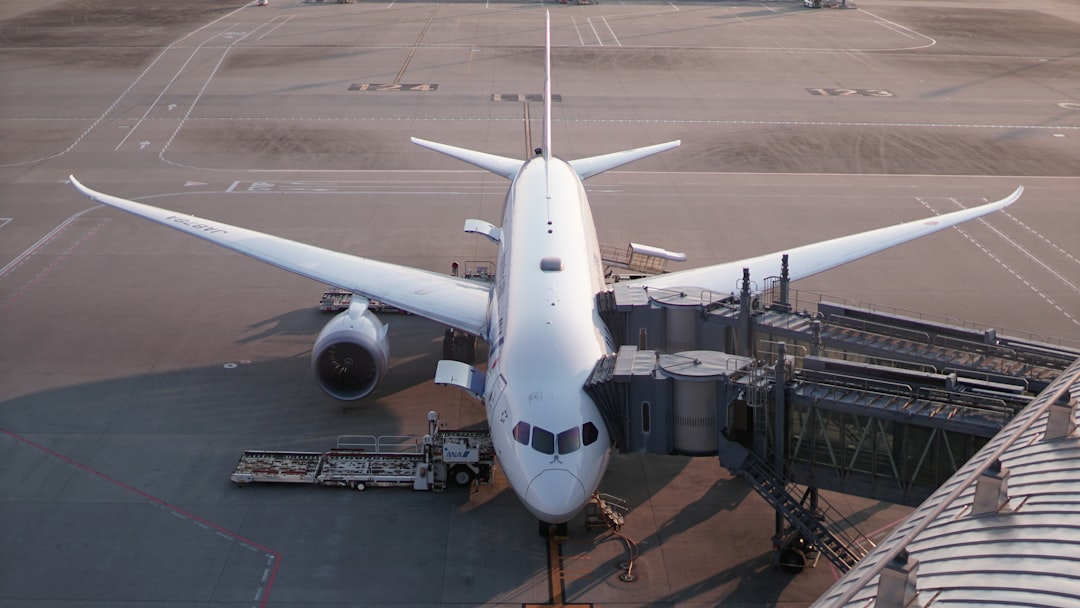
Thailand and Bali are the Southeast Asian destinations most exposed to tourism losses as airlines reroute around Iran and other conflict-sensitive airspace, driving up fuel costs, fares, and flight times, The Nation Thailand reported.
The airspace turmoil stems from West Asia military escalation that closed the Strait of Hormuz and rendered Iranian airspace off-limits to commercial carriers. European and Middle Eastern airlines now fly southern routes around the Arabian Peninsula, adding hours to journeys and consuming significantly more jet fuel.
For long-haul travelers from Europe, Phuket, Bangkok, and Bali become less attractive when flight times stretch and ticket prices rise. Thailand attracted 39 million international visitors in 2025, with Europeans representing a high-spending segment. Indonesia's Bali, similarly reliant on European tourists, faces parallel exposure.
The economic vulnerability is acute. Tourism accounts for approximately 12 percent of Thailand's GDP and 6 percent of Indonesia's, concentrated in beach destinations that depend on long-haul arrivals. Shorter regional routes—China, Japan, South Korea—remain unaffected, but European and Middle Eastern travelers pay premium prices for rerouted flights.
Airlines have responded by adjusting schedules and raising fares to offset fuel consumption. Some carriers reduced frequency to , consolidating flights to maintain load factors amid higher operating costs. For and , fewer seats mean fewer tourists.