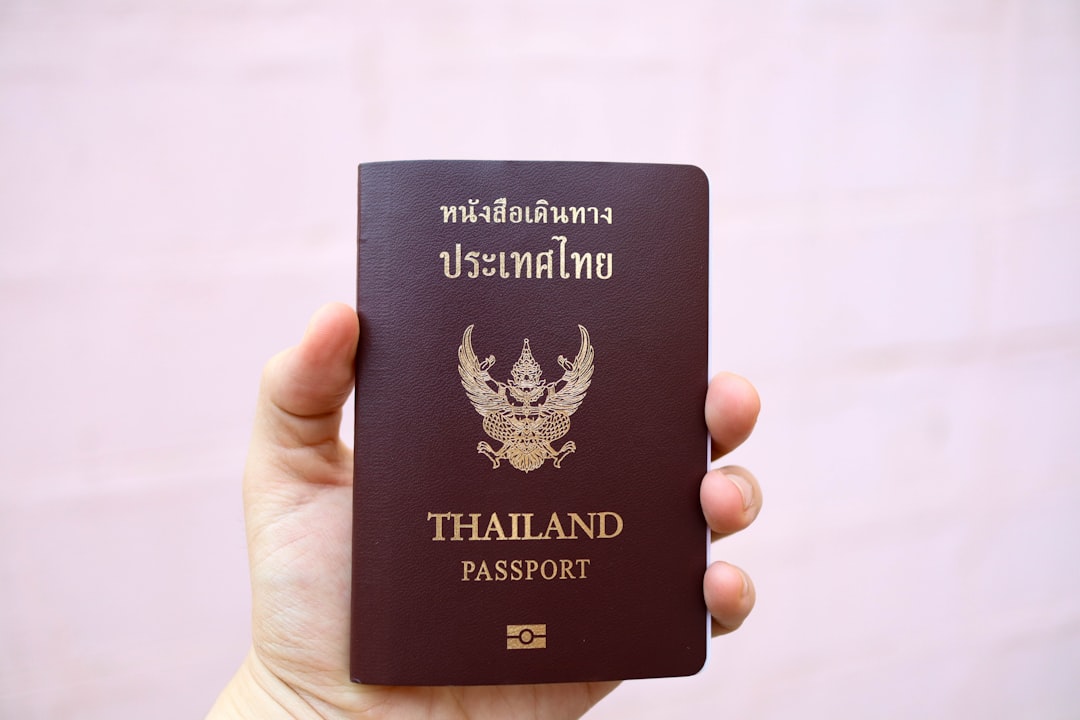
A digital nomad applying for Thailand's new Destination Thailand Visa (DTV) hit an absurd bureaucratic wall: immigration requested proof of accommodation for the entire 180-day stay - before they've even visited the country.
"This feels a bit crazy to me because I'm planning to stay for around 180 days, and I don't want to lock in accommodation for the full 6 months before I've even seen the place," the applicant posted on r/digitalnomad.
The DTV, launched in 2024, was marketed as a game-changer for remote workers - offering 180 days per entry with the option to extend for another 180 days. But the actual application process is revealing unexpected hurdles.
Beyond proof of remote work and income, some consulates are now demanding comprehensive accommodation documentation covering the entire potential stay. For travelers who prefer flexibility - booking accommodations after arriving and exploring different areas - this creates an impossible situation.
The workaround several experienced nomads suggested: book fully refundable accommodations for the entire period, then cancel after visa approval.
"Just book something that's fully cancellable to cover the full period, then cancel it once the visa is approved," one respondent advised. "It's a bureaucratic hoop, not an actual requirement once you're in the country."
Several nomads confirmed this approach works, though it requires finding accommodations with generous cancellation policies that cover six months - not always easy during high season.
The stricter enforcement appears to vary by consulate. Some applicants reported smooth approvals with just first-week accommodation booked, while others faced requests for complete documentation including proof of departure flights.
"They asked for proof of departure from Thailand (which I haven't booked yet)," the applicant noted, highlighting another friction point for travelers who prefer one-way tickets and flexible plans.
The situation reflects Thailand's cautious approach to the DTV program. While the government wants to attract long-term digital nomads and their spending, immigration officials are nervous about people overstaying or working illegally.