Thailand has quietly built something most destinations can't replicate: a cafe culture perfectly designed for remote work, almost by accident.
A recent discussion in r/digitalnomad highlighted what many remote workers have discovered: Thailand offers "so many beautiful cafes designed almost perfectly for working remotely. Good coffee, fast Wi-Fi, calm atmosphere, people actually staying for hours working on laptops."
The infrastructure didn't emerge to serve digital nomads—it evolved from Thailand's existing coffee culture, which exploded over the past decade as younger Thais embraced cafe-hopping as a social activity. The result is thousands of cafes with aesthetic design, reliable internet, and social norms that welcome extended stays.
What makes Thai cafes ideal for remote work:
Reliable Wi-Fi: Most cafes offer 50+ Mbps connections, fast enough for video calls and file uploads. Competition drives quality—poor Wi-Fi means empty tables.
Long-stay culture: Unlike European cafes where lingering is discouraged, Thai cafes expect customers to stay hours. Staff won't pressure you to leave after finishing a drink.
Affordable pricing: Quality coffee costs $2-4 USD. Most cafes have no minimum purchase for Wi-Fi access.
Power outlets everywhere: Cafes specifically accommodate laptop users with abundant power outlets at nearly every table.
Quiet atmospheres: Many cafes maintain library-like quiet, with signage requesting minimal phone conversations.
Air conditioning: Essential in Thailand's heat, and virtually universal in cafes targeting students and remote workers.
Cities like Chiang Mai, Bangkok, and Phuket now have entire neighborhoods where nearly every block has multiple work-friendly cafes. In Chiang Mai's Nimman area, you can cafe-hop daily for months without repeating.
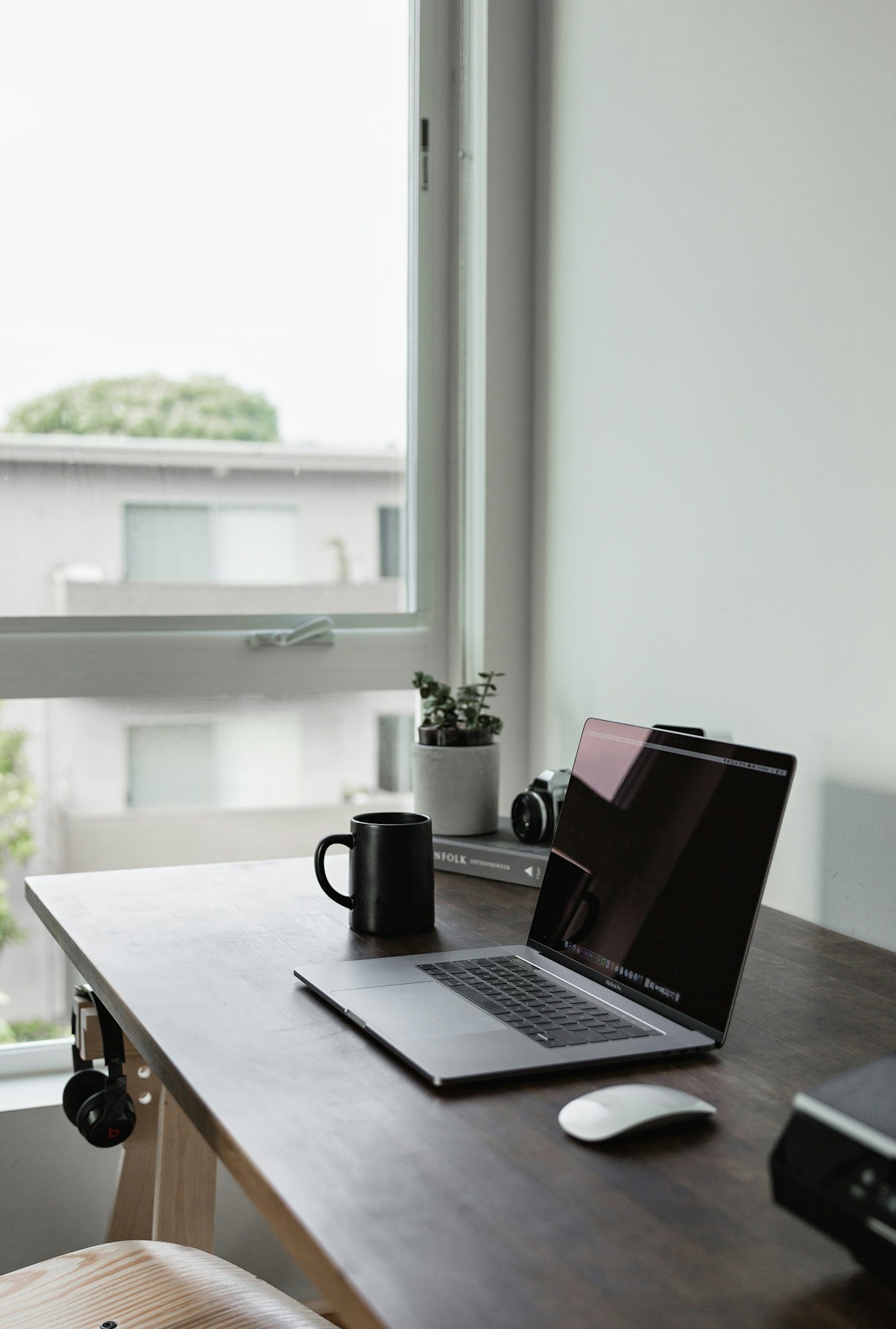
The aesthetic factor matters too. Thai cafes compete heavily on Instagram appeal, resulting in beautiful spaces with natural light, plants, and thoughtful design—environments that make long work sessions pleasant rather than draining.
Compare this to other popular digital nomad destinations:
Bali has beautiful cafes but inconsistent Wi-Fi and higher prices. Portugal offers good infrastructure but cafes frown on extended stays. Mexico has improving cafe culture but less density outside major cities. Colombia has safety concerns that make cafe-hopping stressful.
Thailand combines density, quality, affordability, and social acceptance of remote work in ways other destinations struggle to match.
The phenomenon has economic effects. Many digital nomads now structure their Thailand stays around cafe routines rather than booking coworking spaces. At $50-100/month for coworking versus $3-5/day for cafe work, the math favors cafes—especially when cafes offer better coffee and design.
Some cafes have effectively become unofficial coworking spaces, with regulars claiming favorite tables and building communities without formal membership structures.
Best areas for cafe working in Thailand: - Chiang Mai: Nimman, Old City - Bangkok: Ari, Thonglor, Ekkamai, Silom - Phuket: Chalong, Rawai - Koh Samui: Chaweng, Maenam - Pattaya: Jomtien
Cafe etiquette for digital nomads: - Buy something every 2-3 hours - Don't take video calls in quiet spaces - Don't occupy large tables during busy periods - Tip 20-40 baht ($0.60-$1.20) for extended stays
The development illustrates how organic cultural evolution sometimes creates better infrastructure than purpose-built solutions. Thailand didn't set out to become a digital nomad paradise—it built a thriving cafe culture for locals, and remote workers simply plugged into existing infrastructure.
As one commenter asked, "What's the best cafe or area you've worked from in Thailand?" The fact that the question has hundreds of possible answers shows just how deeply cafe culture has become part of the country's remote work appeal.