Travel advice for Indonesia follows a predictable pattern: visit during dry season (April-October), avoid monsoon season (November-March), expect crowds during European summer holidays, and prepare for higher prices during peak periods.
But a recent trip report from r/backpacking challenges this conventional wisdom with a simple observation: What if rainy season is actually better?
The traveler visited Gili Air—one of three small islands off Lombok known for diving, beach life, and car-free serenity—during what guidebooks would label "bad weather." The experience was "mostly cloudy" with "frequent localized heavy rain."
Their verdict? They fell in love with the island specifically because of the rain.
Rain Made It More Beautiful
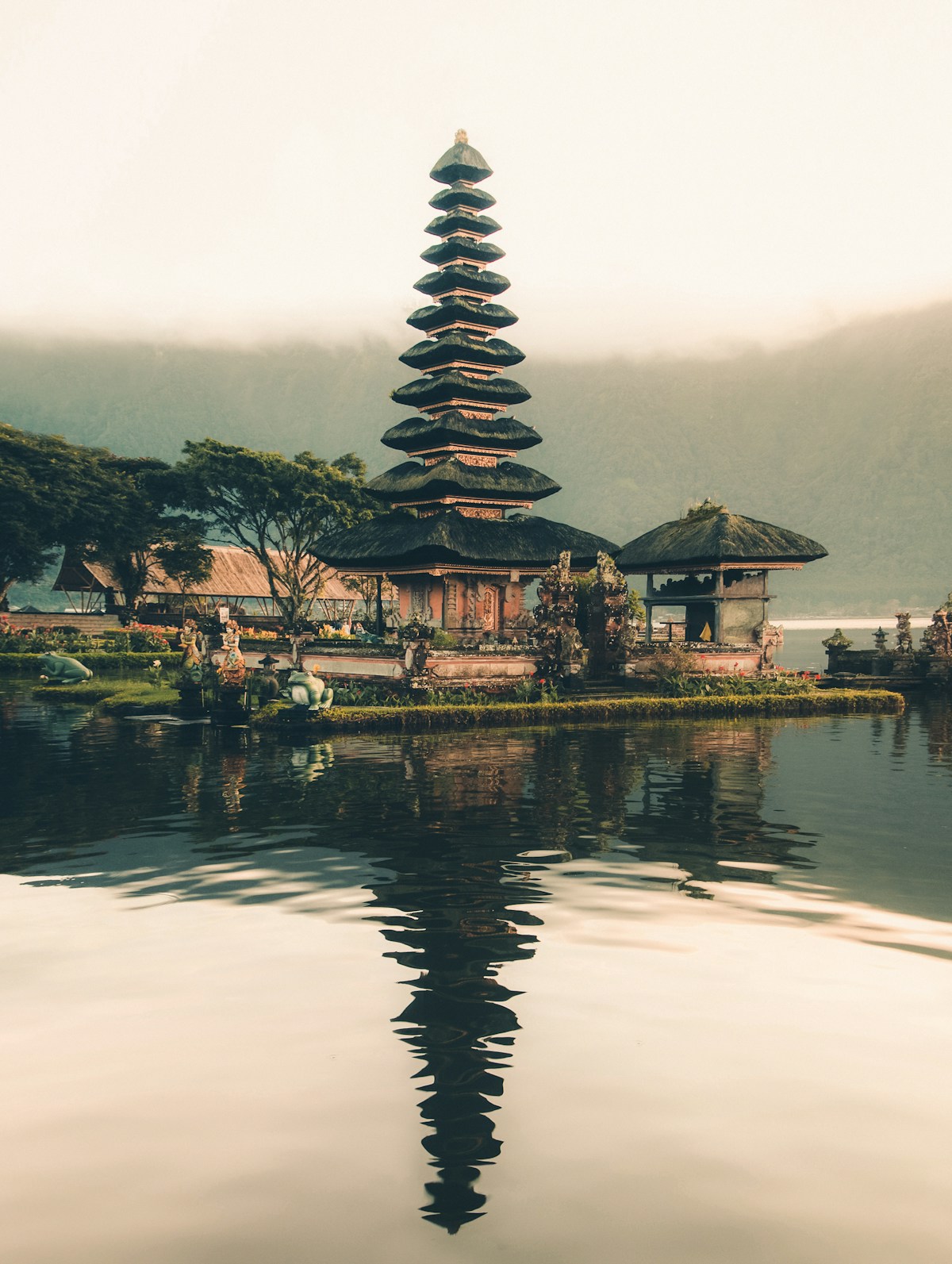
"The rain actually made the lush, green scenery look even more vibrant and moody. It was honestly beautiful in its own way," the traveler wrote.
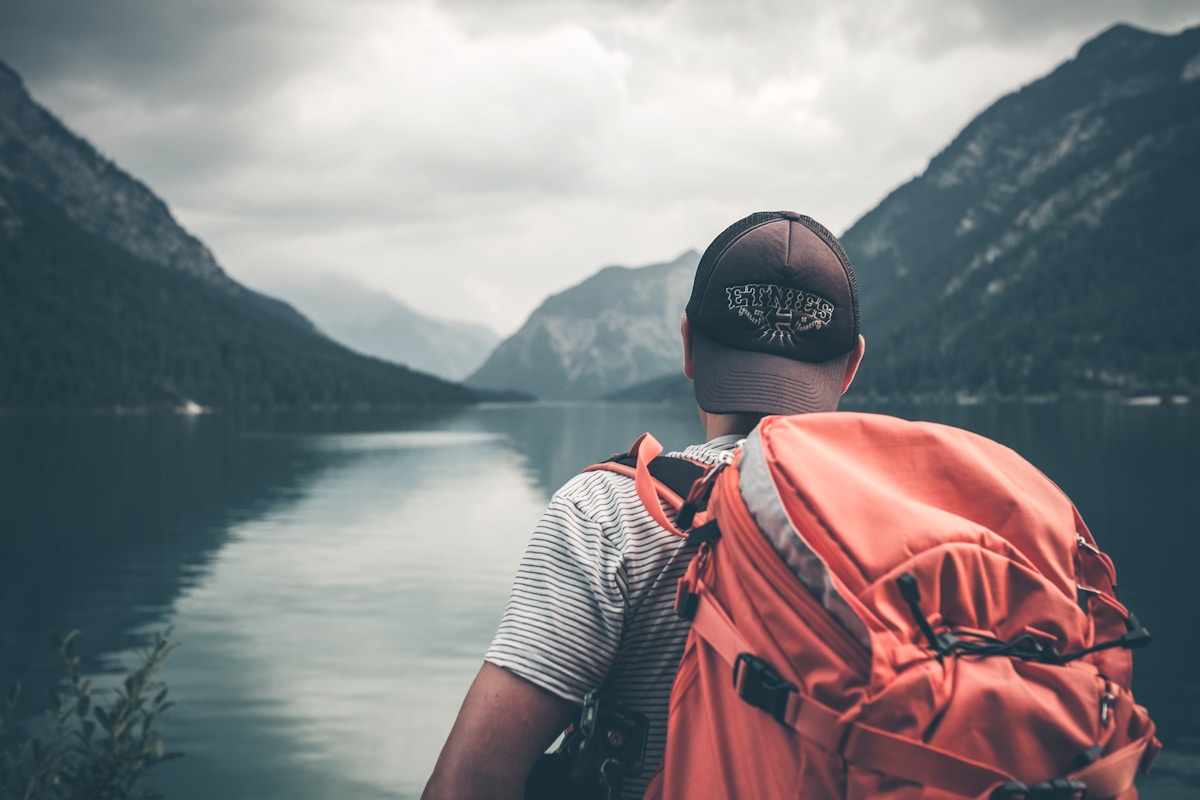
This contradicts the beach vacation script: sunshine, blue skies, perfect-weather Instagram photos. But photographers know that dramatic weather often produces better images than endless sunshine. Storm clouds create texture. Rain enhances colors. Moody lighting adds atmosphere that harsh midday sun erases.
The same principles apply to experiencing places, not just photographing them. Clear skies and perfect weather can feel sterile. Weather that changes—clouds rolling in, sudden downpours, dramatic clearing—makes a place feel alive.
The Pizza Revelation
The trip's highlight combined landscape and food: "eating a Margherita pizza while watching the sunset on the west side of the island... hands down the best pizza of my life."
The traveler was careful to note: "It wasn't just the view—the pizza itself was genuinely incredible."
This captures something often missing from destination guides: the power of unexpected quality in unlikely places. A perfect margherita pizza on a tiny Indonesian island, where you might expect mediocre tourist food, becomes memorable precisely because it defies expectations.
The west side sunset location is strategic—Gili Air is small enough (roughly 3km around) to walk the entire coastline, with the west side offering unobstructed views toward Bali's Mount Agung volcano as the sun sets.
The Case for Shoulder and Rainy Season Travel
The enthusiastic response to this trip report—"I'm already dying to go back"—suggests that shoulder season and even rainy season travel might offer advantages beyond just cheaper prices:
Fewer crowds: Gili Air during European summer can feel overrun. During rainy season, travelers find beaches and restaurants less packed, easier accommodation booking, and a more relaxed local atmosphere.
Lower prices: Accommodation, diving trips, and bicycle rentals all drop during low season—often 30-50% below peak rates.
Authentic local life: When destinations aren't overwhelmed by tourists, travelers actually interact with year-round residents rather than a temporary workforce serving peak-season crowds.
Better availability: Popular restaurants, dive shops, and activities don't require advance booking during low season.
Lush landscapes: Indonesia's tropical ecosystems need rain. Dry season landscapes can look brown and dusty; wet season produces the vibrant green jungle that matches postcard expectations.
Understanding 'Monsoon Season'
'Monsoon season' conjures images of nonstop downpours making travel miserable. The reality in most of Indonesia: brief intense afternoon thunderstorms that clear within an hour or two, rather than all-day rain.
The traveler's experience—"mostly cloudy" with "frequent localized heavy rain"—matches typical patterns. It rains hard, you wait it out in a cafe or restaurant, then it clears. This is different from, say, Seattle's endless gray drizzle.
For beach activities, rainy season creates unpredictability rather than impossibility. Some days have perfect weather. Some have afternoon storms. Some are overcast. But travelers with flexible schedules (not packed 7-day resort vacations) can work around weather patterns.
Diving and snorkeling—major draws for the Gili Islands—remain viable during rainy season. Underwater visibility can actually improve after rain clears out particles. Water temperatures stay warm year-round.
When Dry Season Really Matters
Rainy season isn't ideal for everyone:
- Tight schedules with specific activity days ("we're diving on Tuesday") get disrupted by weather - Multi-island trips lose days to cancelled boat crossings - Serious trekking (like summiting Mount Rinjani) becomes dangerous with muddy trails - Travelers who can't handle unpredictability or plan-changes get frustrated - Those seeking guaranteed sunny beach days will be disappointed
But for travelers with flexible itineraries, tolerance for weather variation, and appreciation for atmosphere over perfection, rainy season offers genuine advantages.
The Overtourism Connection
The enthusiasm for rainy season travel connects to growing frustration with overtourism. Popular destinations during peak season—Bali, Thailand's islands, Barcelona, Iceland—often deliver crowds, inflated prices, and commercialized experiences that feel disconnected from authentic place.
Travelers increasingly seek alternatives: visiting during off-season, choosing lesser-known destinations, or traveling to famous places when conditions aren't "perfect" but crowds are manageable.
The Gili Air trip report fits this pattern: choosing shoulder season produced a more memorable experience precisely because it avoided peak-season crowds and revealed the island's actual character.
The Best Time to Visit
Travel forums obsess over "best time to visit" questions, seeking optimal weather, prices, and experiences. But the real answer increasingly depends on what you value:
- Perfect weather: Dry season, accept crowds and high prices - Lowest prices: Rainy season, accept weather unpredictability - Balanced experience: Shoulder season (April-May, September-October) - Authentic atmosphere: Whenever locals outnumber tourists
The Gili Air traveler's conclusion: "Between the postcard-perfect views and the amazing food, I'm already dying to go back."
Noteworthy: they called the views "postcard-perfect" during rainy season. Apparently you don't need eternal sunshine to find paradise.
The best travel isn't about the destination—it's about what you learn along the way. Sometimes the lesson is that "bad" weather makes better memories than perfect conditions ever could.