
Thailand's border provinces have become frontlines in the country's battle against fuel smuggling as domestic shortages and regional price differentials create lucrative black markets that authorities say are exacerbating supply problems and costing the government millions in lost revenue.
Police and border patrol units in Songkhla, Narathiwat, and Yala provinces—where Thailand shares a 595-kilometer border with Malaysia—have seized more than 200,000 liters of smuggled diesel and gasoline over the past two weeks, according to figures released by the Border Patrol Police.
The smuggling exploits price gaps created by Thailand's partial fuel subsidies. While Bangkok has allowed pump prices to rise to conserve fiscal resources, the government maintains price controls on diesel used by farmers and transport companies. That creates a spread of up to 8 baht per liter (approximately $0.23 USD) between subsidized Thai diesel and unregulated fuel in neighboring countries.
"Smugglers buy subsidized diesel in Thailand using fake agricultural permits, then truck it across the border and sell it at market prices in Malaysia or Myanmar," said Colonel Anirut Rakchat, commander of the Border Patrol Police Region 4. "It's pure arbitrage, and it's draining supply from the domestic market when we can least afford it."
The smuggling networks operate across ASEAN's notoriously porous borders, where jungle trails, river crossings, and informal checkpoints have facilitated contraband trade for generations. What has changed is the scale and sophistication. Authorities report seizing modified tanker trucks with hidden compartments, GPS jammers to avoid detection, and encrypted communication systems coordinating cross-border movements.
The crackdown has intensified friction along borders where formal commerce and informal trade have long coexisted in uneasy equilibrium. Border communities that have relied on cross-border commerce—much of it operating in legal gray zones—now face increased scrutiny that they say criminalizes economic activity driven by policy failures in Bangkok.
"If the government kept fuel prices reasonable, there wouldn't be smuggling," said a fuel trader in Betong who requested anonymity to avoid prosecution. "We're just responding to market signals. They create the price difference; we fill the gap."
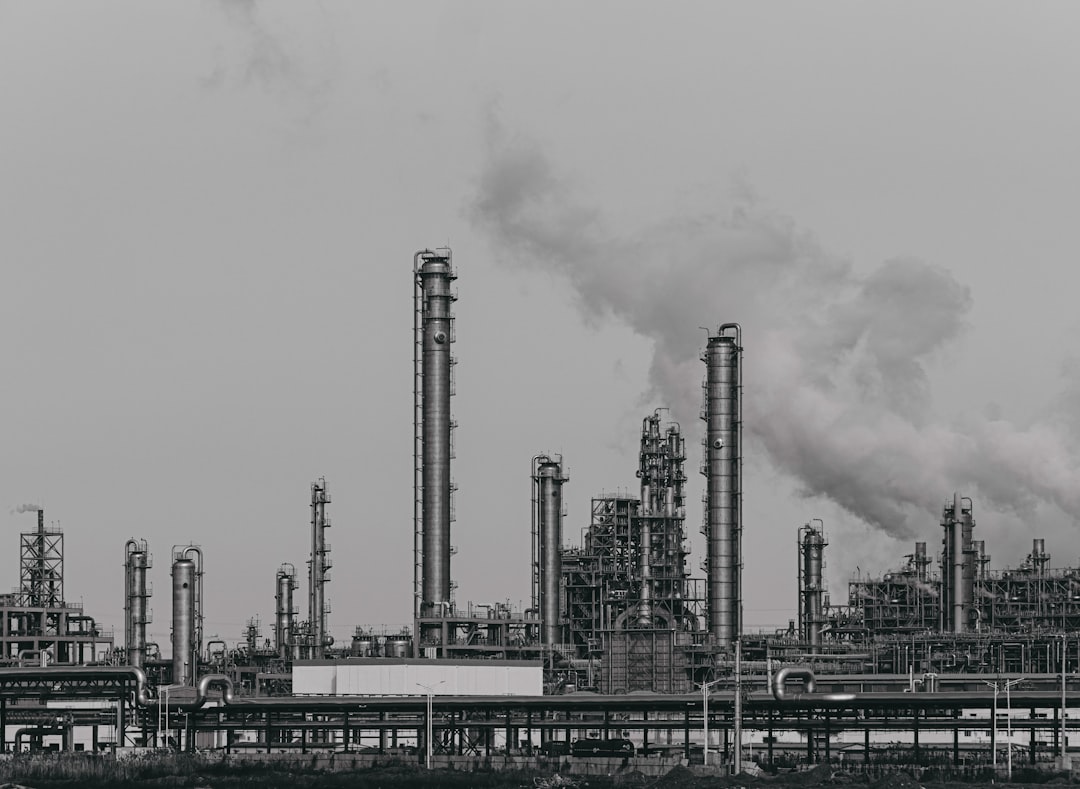
For Thailand, the smuggling compounds an already difficult energy situation. The country imports roughly 70% of its crude oil, with refined products coming primarily from Singapore and South Korea. As Middle East supply disruptions drive up global prices, domestic shortages have appeared in provinces far from the border, with gas stations in Chiang Mai and Udon Thani reporting periodic stockouts.
The government faces a policy trilemma: maintain subsidies and watch smuggling drain supply, remove subsidies and risk social backlash from farmers and transport workers, or tighten border controls so aggressively that legitimate trade suffers. Each option carries political and economic costs that Prime Minister Srettha Thavisin's administration has struggled to navigate.
Border smuggling also reflects broader challenges to ASEAN economic integration. The bloc has spent decades reducing formal trade barriers while harmonizing regulations to create a single market. But when energy prices diverge sharply across member states, those integration efforts create opportunities for arbitrage that undermine national policy objectives.
Malaysia, for its part, has taken a relaxed stance toward fuel flowing across the border from Thailand. While Kuala Lumpur maintains its own costly subsidy regime, any additional supply—regardless of origin—helps ease shortages in northern states where gas stations have faced intermittent stockouts.
The net effect is a regional energy market governed more by smuggling networks and informal traders than by government policy or formal contracts—a reminder that when official mechanisms fail to deliver, people will create their own.
Ten countries, 700 million people, one region—and borders that remain permeable enough that fuel shortages in one country become business opportunities in another, regardless of what national laws or ASEAN agreements say about how energy should flow.