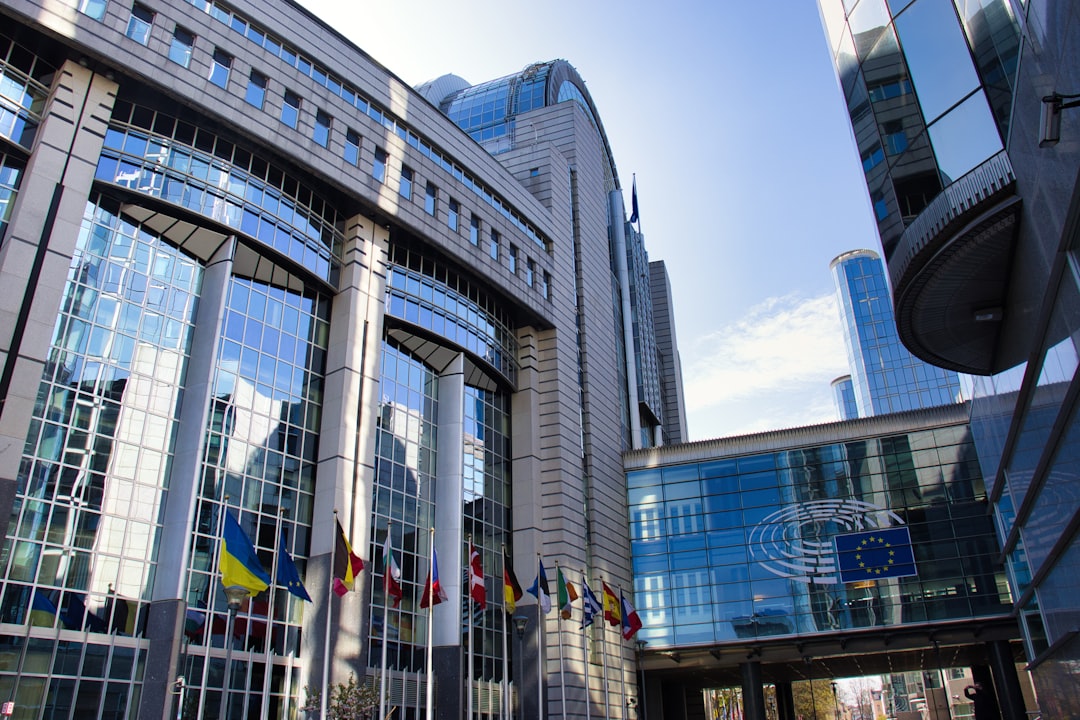
The European Union has approved a historic €106 billion loan package for Ukraine, following a dramatic reversal by Hungary that removed the last barrier to the bloc's largest-ever financial commitment to the war-torn nation.The decision, finalized Thursday after weeks of tense negotiations, marks a significant shift in Budapest's position under Prime Minister Viktor Orbán, who had previously led efforts to block substantial EU assistance to Kyiv. Slovakia also withdrew its earlier opposition, clearing the path for unanimous approval required under EU procedures.To understand today's headlines, we must look at yesterday's decisions. Hungary's reversal represents one of the most consequential diplomatic shifts in the bloc's response to the war since Russia's invasion in February 2022. EU officials had prepared the package early this year, originally scheduling its announcement to coincide with the fourth anniversary of the conflict, but faced sustained resistance from Budapest.The loan package, structured to provide sustained financial support through 2027, will enable Ukraine to maintain essential government services, pay salaries for civil servants and military personnel, and fund critical infrastructure repairs as the country continues to defend against Russian forces. The €106 billion figure represents nearly seven times Ukraine's annual pre-war budget and underscores the scale of reconstruction challenges ahead.What prompted Hungary's change of position remains a subject of intense speculation in Brussels. European diplomats, speaking on condition of anonymity, suggest a combination of factors: pressure from fellow EU members threatening to withhold structural funds to Hungary, concerns about increasing diplomatic isolation, and possible bilateral assurances regarding energy security and economic cooperation.The approval comes at a critical juncture for Ukraine, which faces not only ongoing military pressure but mounting economic strain. The country's GDP contracted by 30% in 2022 and has struggled to recover amid continued missile strikes on critical infrastructure and the displacement of millions of citizens.For the EU, the package represents a test of its ability to act decisively in support of a nation seeking membership while defending itself against aggression. The unanimous vote, achieved despite Hungary's long-standing skepticism of sanctions and aid to Kyiv, demonstrates both the bloc's commitment and the complex internal negotiations required to maintain unity on foreign policy.The loan will be disbursed in tranches, conditional on Ukraine meeting governance and anti-corruption benchmarks established by Brussels. This conditionality reflects lessons learned from previous EU enlargement processes and aims to ensure the funds strengthen democratic institutions rather than simply plugging budget holes.
|