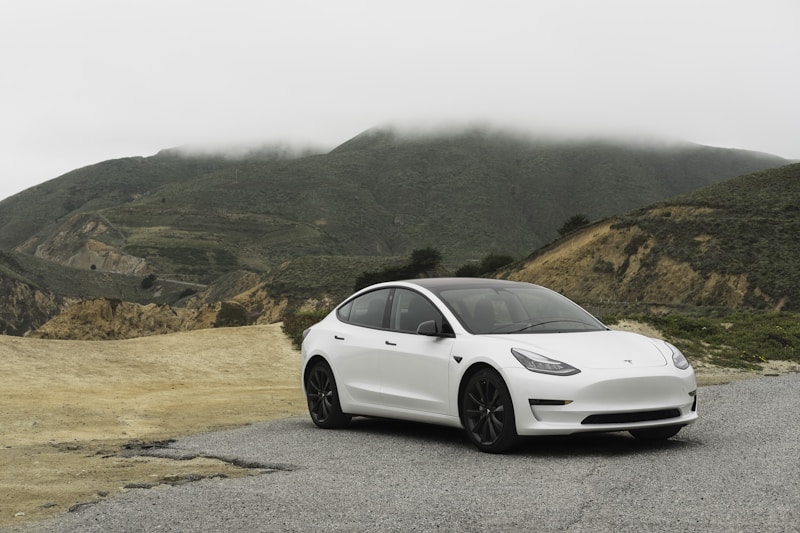
Starting February 14, Tesla will stop selling Full Self-Driving as a product you can actually own. Instead, it becomes a $99/month subscription you'll pay forever - or until you give up and sell the car.
Do the math: the old one-time purchase cost $8,000. At $99/month, you break even after about seven years. Except you never actually own anything. Stop paying, lose the feature. Sell the car, lose the feature. Elon Musk decides to raise prices, you pay more or lose the feature.
One customer captured the absurdity perfectly: "Imagine buying a self-driving car and still having to pay a monthly subscription just for it to actually drive itself."
This is bigger than Tesla. This is the auto industry's subscription endgame, and it's everything wrong with modern software-defined products.
Volkswagen charges $22.50/month to unlock horsepower your car already has. GM's Super Cruise costs $25/month after a trial period. BMW tried charging a subscription for heated seats - hardware already installed in the car - before backing down from backlash.
The pattern is identical to what happened with software: companies realized recurring revenue is more valuable than one-time sales, so they're converting purchases into rentals and calling it innovation.
Except cars aren't Photoshop. When Adobe moved to subscriptions, you could switch to Affinity or GIMP. When Tesla locks software behind a subscription, you can't exactly swap out your car's autonomy stack.
Here's what really bothers me: the hardware is already in the car. You paid for the sensors, cameras, and compute. Tesla is just flipping a software switch to enable or disable functionality based on whether you're paying monthly tribute.
This isn't providing ongoing value through cloud services or continuous updates - though that's how it'll be marketed. It's disabling features in hardware you own until you pay a ransom.
The data backs up consumer frustration. Only 68% of car buyers said they'd pay for connected services in 2025, down from 86% in 2024. People are realizing that "software-defined vehicle" translates to "you'll never stop paying."