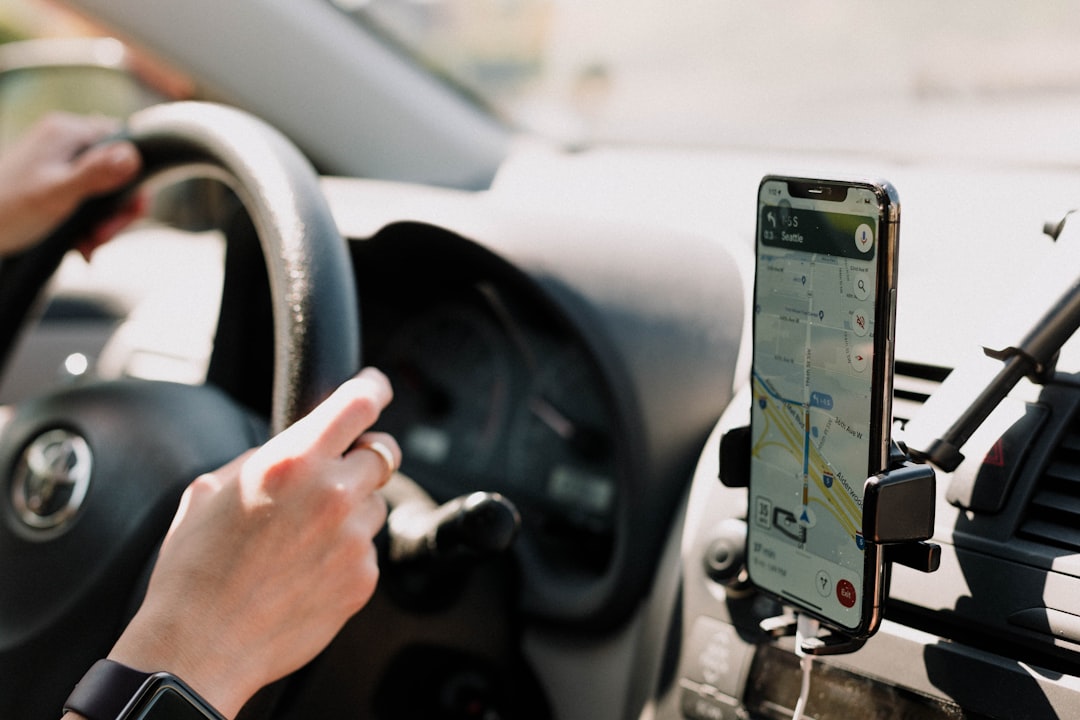
Google Maps now hides reviews, photos, and key features unless you're logged in. One of the internet's most essential utilities just became a walled garden.
Maps used to be the example of Google doing something genuinely useful for everyone. Now they're using it to force account creation and harvest more data. This is the enshittification of infrastructure - taking something that worked for everyone and making it worse to extract value.
Here's what Google is hiding behind the sign-in wall: user reviews of businesses, photos uploaded by contributors, detailed information about places, and various crowdsourced features that made Maps better than just directions. You can still get basic navigation without signing in, but the useful community features are gone.
Google's stated reason is improving personalization and security. The real reason is obvious: they want your data. Every search you make signed in, every place you look up, every review you read - that's data Google can use to build advertising profiles and train AI models. The quality of Maps has nothing to do with it.
This matters because Maps isn't optional for most people. It's infrastructure. Need directions? Maps. Looking up a business? Maps. Trying to figure out if a restaurant is any good? Maps reviews. Google built a monopoly by being free and useful, and now they're leveraging that monopoly to force compliance.
The pattern is familiar: build something useful and free, get everyone dependent on it, start restricting features to extract value. Twitter did it. Reddit did it. Now Google Maps is doing it. Each time, the justification is improving the user experience. Each time, it's actually about monetization and control.
What makes this particularly frustrating is that Google Maps was already profitable. They show ads, they sell API access, businesses pay for prominent placement. This isn't about survival - it's about maximizing extraction from a captive user base.
The privacy implications are significant. When you use Maps signed in, Google tracks everywhere you search for, everywhere you navigate to, everything you look up. That data is combined with your Gmail, YouTube, search history, and everything else Google knows about you. Forcing sign-in isn't about making Maps better - it's about eliminating the option to use it privately.
Alternatives exist but they're not great. Apple Maps works if you're in the Apple ecosystem. OpenStreetMap is community-built and privacy-respecting but lacks the polish and data of Google Maps. MapQuest still exists, apparently. None of them match the comprehensive business information and real-time updates that made Google Maps dominant.
That's the problem with infrastructure built by private companies. They can change the terms whenever they want. Google spent years encouraging people to contribute reviews, photos, and corrections to Maps. Millions of users did, creating public value. Now Google is putting that community-created value behind a login wall.
The contributors who spent years improving Maps with reviews and photos didn't sign up for this. They were building a public resource, not feeding Google's data collection apparatus. Google is taking community contributions and using them to force compliance with surveillance.
What should you do? Use Maps signed out for as long as you can tolerate the degraded experience. Use alternative mapping services when possible. Delete your location history if you do sign in. Contribute to OpenStreetMap instead of Google Maps - at least that data stays open.
The broader lesson is about dependency on big tech infrastructure. Google Maps is convenient right up until they decide to make it less convenient to extract more value from you. That's not a bug in the system - it's how the business model works.
Maps used to feel like a public utility. Now it's a data collection tool dressed up as a service. The functionality is still there, but the terms have changed. You want reviews? Sign in. You want photos? Sign in. You want to know if a place is actually good? Give Google more data about you.
This won't kill Google Maps. Most people will sign in because the inconvenience of not signing in exceeds the concern about privacy. That's the calculation Google is making - they know they have you locked in. The question is whether anything forces them to be better.
Regulators should be paying attention. When you have a monopoly on essential infrastructure and you start using it to force data collection, that's anticompetitive behavior. The EU might actually do something about it. The US probably won't. In the meantime, your maps are getting worse unless you trade your privacy for features that used to be free.