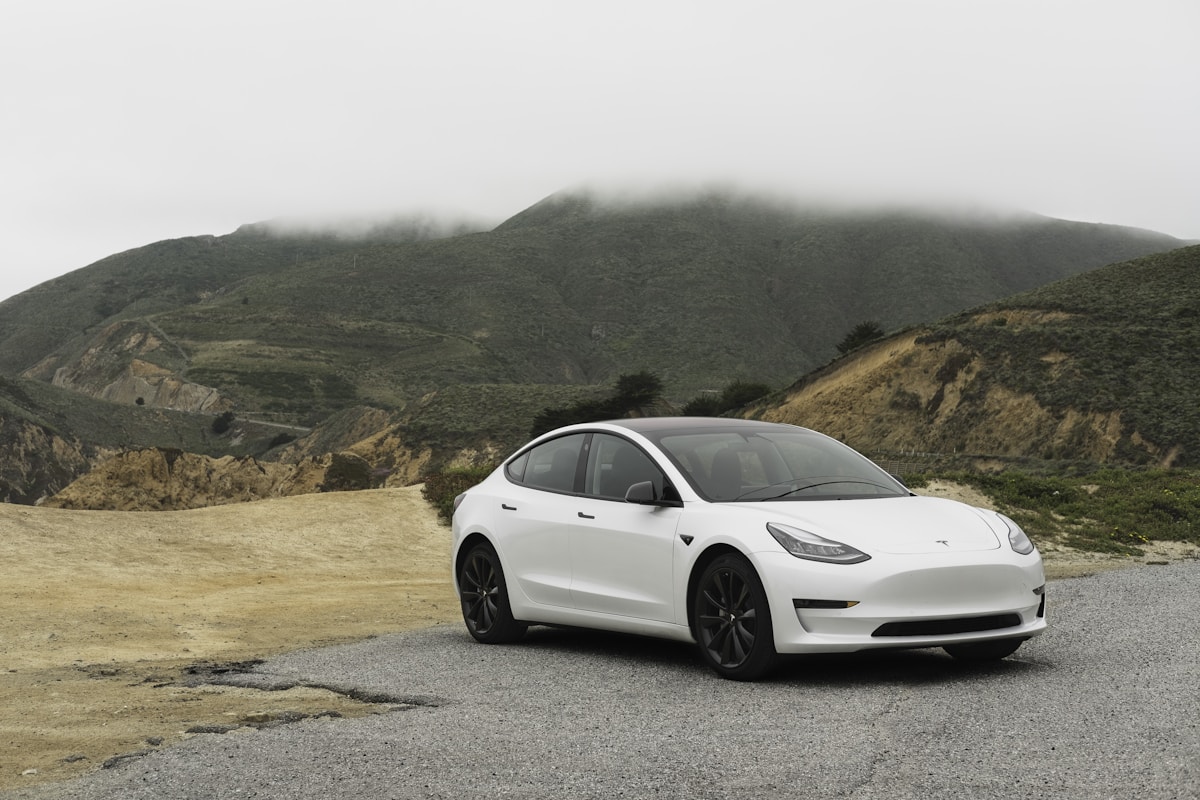
A Massachusetts driver burned to death after crashing their Tesla, trapped inside by electronic door locks that failed during the fire. The 911 call recording, now public through a lawsuit, reveals desperate final moments that raise urgent questions about a design decision that prioritizes electronics over mechanical backups.
This isn't another story about Autopilot or battery fires. This is about something more fundamental: Tesla replaced mechanical door handles with electronic systems that fail catastrophically when power is lost.
The lawsuit alleges the driver survived the initial crash but couldn't escape as flames engulfed the vehicle. While Tesla vehicles have manual release mechanisms, they're not intuitive - small levers that many owners don't know exist, hidden in door pockets and requiring calm precision in moments of panic and smoke.
"It's on fire. Help please," the driver said in the 911 call, according to court documents. Those were among their last words.
I've talked to automotive engineers about this design choice. The electronic doors enable features like auto-present handles and improved aerodynamics. They're part of Tesla's minimalist aesthetic. But they introduce a single point of failure in the most critical safety system in a vehicle - the ability to get out.
Other automakers using electronic doors have implemented more robust mechanical backups or systems that automatically unlock and partially open doors after detecting a crash. Tesla's approach leaves occupants dependent on either having power or knowing about obscure manual releases that even some Tesla owners I've interviewed weren't aware of.
The technology is impressive - when it works. The question is whether optimizing for design and features is worth the risk when that same system might need to save your life. After reading that 911 call transcript, I have my answer.
Every EV manufacturer using electronic door locks needs to hear this story. Because the next trapped driver might be in their vehicle.