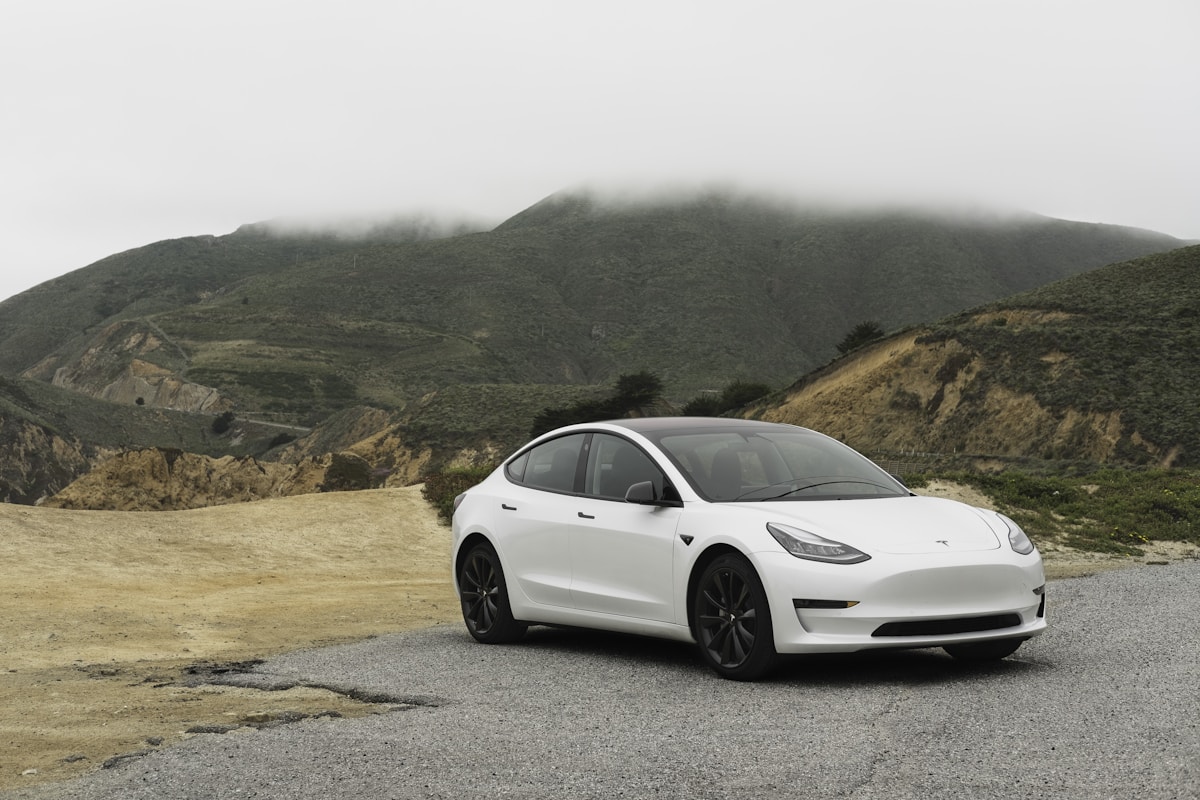
Let me get this straight: Tesla's car deliveries are dropping for the third year in a row, and Elon Musk's response is to focus more on robots and robotaxis. If you own the stock, you should probably think about what that means.
Analysts are now cutting their delivery estimates for 2026, with some expecting Tesla to deliver fewer electric vehicles than they did in 2023. That's not a slowdown—that's a reversal. For a company that was supposed to be the future of transportation, selling fewer cars each year is a pretty clear signal that something isn't working.
The official story is that Musk is "refocusing" on higher-margin opportunities: autonomous robotaxis and humanoid robots (the Optimus project). The unofficial story is that Tesla's core EV business is facing real competition for the first time, and rather than fight that battle, Musk is pivoting to something that won't show results—or losses—for years.
Here's the problem with that strategy: Tesla is burning cash. Developing robotaxis and humanoid robots is expensive. Really expensive. And while deliveries decline, so does the cash flow that funds those expensive projects. This isn't a software company that can pivot on a dime. They have factories, supply chains, and overhead that assume a certain level of vehicle production. When that production drops, the unit economics get worse fast.
Analysts covering Tesla have started using phrases like "cash burn looms," which is not something you want to hear about a company with a $580 billion market cap. The bull case for Tesla has always been that they'd achieve scale in EVs, then use those profits to fund future projects. If the scale never arrives—or worse, reverses—the whole thesis breaks.
The competition angle matters here. When Tesla was the only game in town for premium EVs, they could charge whatever they wanted and people paid it. Now you've got China's BYD selling quality EVs at lower prices, European automakers finally taking EVs seriously, and even Detroit producing competitive electric trucks. Tesla's vehicles aren't bad; they're just not unique anymore. And when you're not unique, you compete on price, which Tesla hasn't had to do before.
Musk's bet is that autonomy and robotics will be so valuable that declining car sales won't matter. Maybe he's right. But that's asking investors to ignore the present in favor of a future that's been "two years away" for about a decade now. Full Self-Driving still isn't full self-driving. The Cybertruck is a niche product with production issues. The robotaxi service that was supposed to launch in 2020 still doesn't exist.
From an investment perspective, this is a classic question: Do you pay today's high valuation for tomorrow's promises? Tesla trades at a much higher multiple than traditional automakers because investors believe it's a tech company, not a car company. But if car deliveries are declining and the tech projects keep getting delayed, what are you actually paying for?
Some analysts still have bullish price targets on Tesla, citing the long-term potential of autonomy and energy storage. Others have started downgrading, pointing out that the company needs to deliver cars profitably before it can afford to revolutionize anything else. Both can't be right.
What should Tesla investors do? Ask yourself what you think this company is. If it's a car company, declining deliveries for three straight years is a red flag you can't ignore. If it's a robotics and AI company that happens to make cars, then maybe the current struggles are just noise. But if you're not sure which one it is, that's probably a sign you shouldn't own it at this valuation.
The market has given Musk the benefit of the doubt for years, and sometimes he's delivered. But "trust me, the future will be amazing" is a harder sell when the present keeps getting worse.