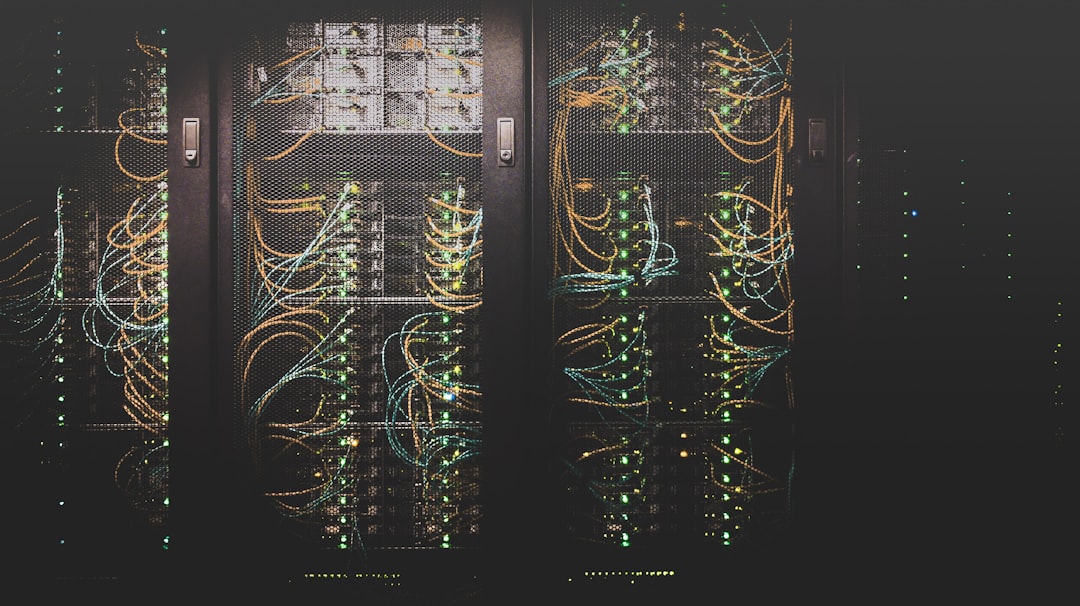
Over the weekend, drone strikes reportedly hit data centers in the Gulf region. Not oil pipelines. Not military bases. Data centers. The facilities running AI models, cloud services, and financial transactions. And while the market barely moved yet, this is the kind of thing traders should be watching closely.
Here's why this matters: data centers have become strategic infrastructure, but they're not priced like it. Energy pipelines and shipping routes get a geopolitical risk premium built into their valuations. Data centers don't. Until now, the market has treated them like passive real estate assets. That assumption just got tested, and it failed.
If you're holding cloud infrastructure stocks or AI-heavy tech companies, you should be asking yourself: how exposed is this company geographically? Where are their data centers located? And what happens if those facilities get taken offline by an attack, either physical or cyber?
The obvious names to watch are the hyperscalers: Amazon Web Services, Microsoft Azure, Google Cloud. These companies operate massive data center networks spread across the globe, including in regions that are now active conflict zones or near them. If a few of those facilities go dark, even temporarily, the operational impact could be significant. And if insurance costs start rising or operations get interrupted, margins shrink fast.
But it's not just the cloud giants. Think about AI infrastructure companies like the ones building chips, servers, and networking equipment. If data centers become targets, demand for redundant systems and hardened facilities goes up. That could be a tailwind for security-focused infrastructure providers, but a headwind for companies that built their models assuming uninterrupted operations.
The bigger issue is insurance. Right now, most data center operators carry insurance for natural disasters, power outages, and cyber incidents. But war risk? That's a different category, and it's expensive. If underwriters start requiring war risk coverage or excluding certain regions from policies, the cost structure for operating data centers in vulnerable areas changes dramatically.
And this is where the market gets repriced. If insurance costs for data centers in the , , or other geopolitically sensitive regions double or triple, companies will either have to eat those costs or pass them on to customers. Either way, margins compress. And if margins compress, stock prices follow.