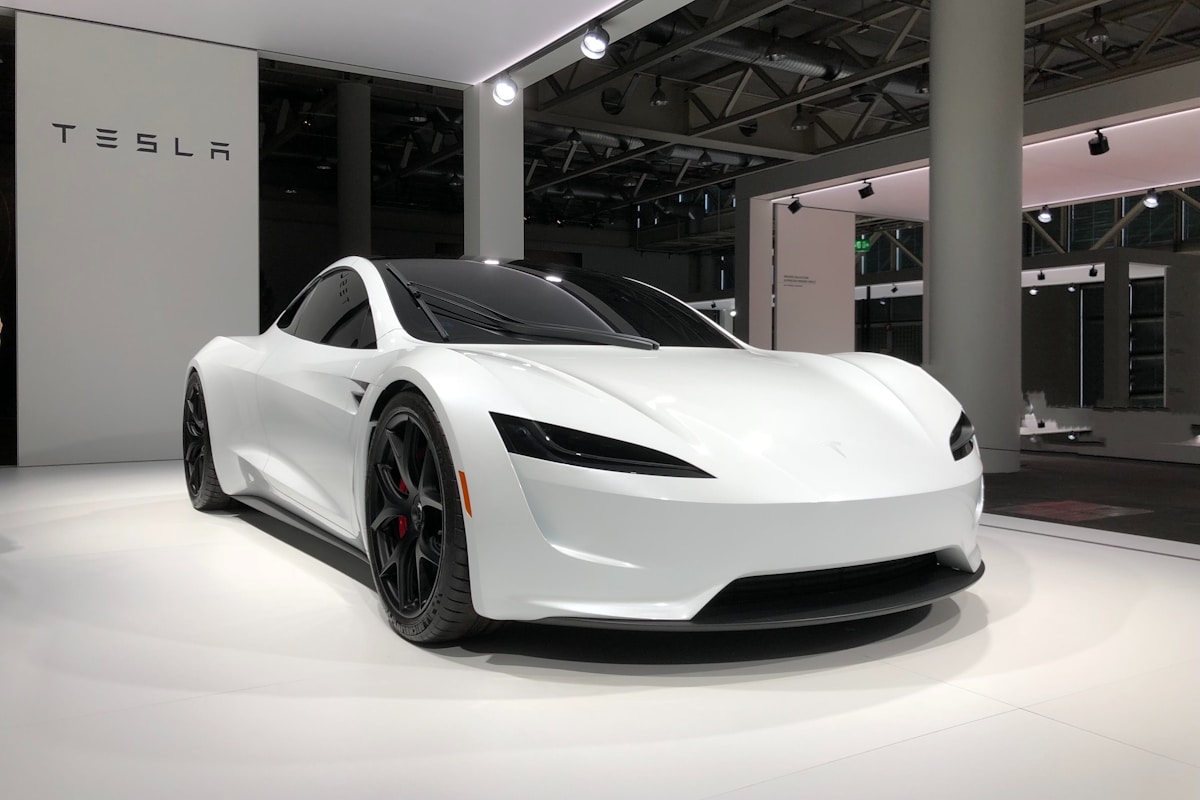
When Elon Musk unveiled the Cybertruck back in 2019, he promised a vehicle that would revolutionize electric trucks with its angular design and bulletproof exterior. What he's delivered instead is a cautionary tale about what happens when you prioritize spectacle over engineering fundamentals.
Tesla is recalling every single rear-wheel-drive Cybertruck it has sold — all 173 of them — because the wheels might detach while driving. Read that again: the wheels. Might. Fall. Off.
This isn't a recall affecting a small batch from a particular production run. This is 100% of a product variant. In manufacturing terms, that's not a bug. That's a design failure.
The issue stems from insufficient torque on the wheel hub mounting bolts, according to the National Highway Traffic Safety Administration filing. In plain English: Tesla didn't tighten the wheels properly, and there's no redundancy in the design to prevent catastrophic failure if those bolts loosen during normal driving.
The Pattern Emerges
This is the latest in a string of quality control issues that have plagued the Cybertruck since deliveries began in late 2024. Previous recalls have included problems with the accelerator pedal getting stuck, issues with the tonneau cover, and trim pieces that can detach at highway speeds.
For context, the Cybertruck has been in production for less than two years and has already accumulated more recalls than some vehicles accumulate in a decade.
What's particularly striking is how fundamental these issues are. We're not talking about bleeding-edge battery chemistry or novel autonomous driving systems failing. We're talking about wheels — technology that the automotive industry mastered roughly a century ago.
The RWD Gamble
The rear-wheel-drive Cybertruck was supposed to be the "affordable" option, though at around $61,000, "affordable" is doing a lot of work in that sentence. Tesla only managed to sell 173 of them before discovering this critical flaw, which raises questions about the company's testing procedures.
Industry standard practice involves extensive durability testing before a vehicle variant reaches customers. The fact that this issue made it through to production suggests either inadequate testing or pressure to ship products faster than safety protocols allow.