The AI chip shortage everyone's worried about might not be caused by technical limitations or trade wars. It could be wage inequality.
Samsung's decision to pay memory division workers $400,000 bonuses while other divisions received just $4,000 has triggered internal revolt and intentional production slowdowns. The dispute has brought major AI chip packaging operations to a halt, threatening HBM (High Bandwidth Memory) delivery schedules that companies like NVIDIA and AMD desperately depend on.
The numbers are absurd. A 100-to-1 disparity in bonus payments within the same company. Memory division employees getting life-changing windfalls while chip packaging workers - doing equally specialized, equally critical work - get what amounts to a nice dinner out. Management apparently thought this wouldn't cause problems.
It caused massive problems.
Workers in the chip packaging divisions have reportedly begun intentional slowdowns. Not strikes - that would be too overt and potentially illegal. Just working at a more "deliberate" pace. Taking longer breaks. Being extra careful about quality control. The kind of resistance that's nearly impossible to prove but very effective at grinding productivity to a halt.
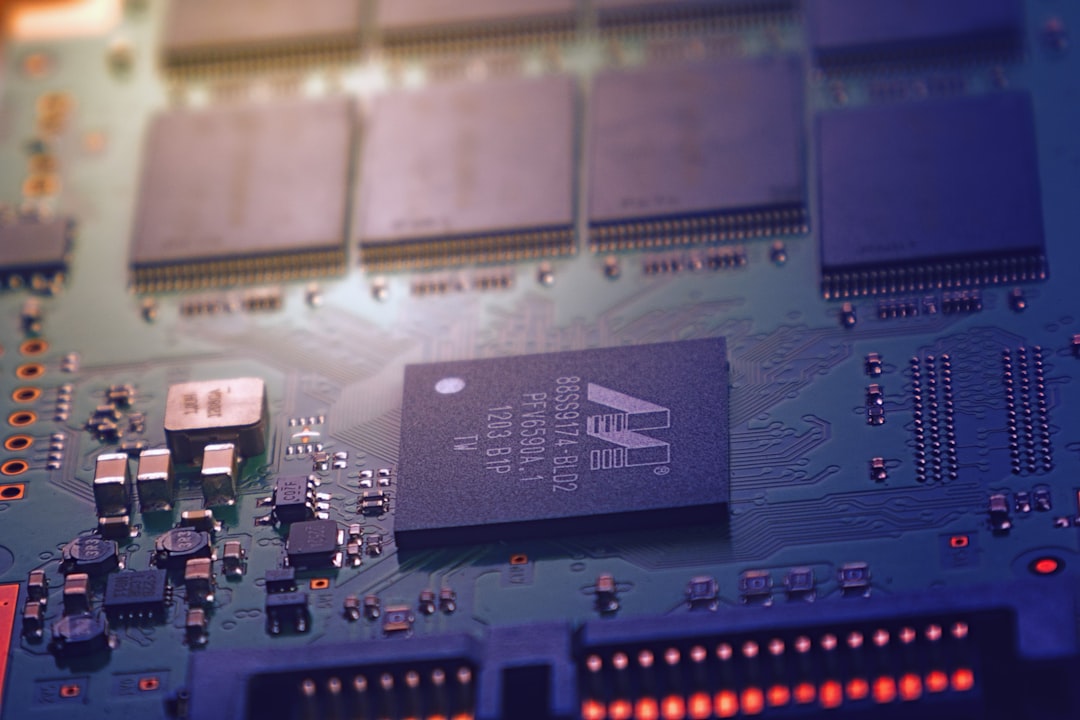
The timing couldn't be worse for the AI industry. HBM - the high-bandwidth memory chips used in AI accelerators - is already in desperately short supply. Every major tech company is trying to build massive GPU clusters, and they're all constrained by HBM availability. Samsung is one of the few manufacturers capable of producing it at scale. If Samsung's packaging operations slow down, the entire AI hardware supply chain feels the impact.
The root cause is South Korea's unusual corporate culture around bonuses. Performance-based compensation is standard everywhere, but Samsung apparently took it to extremes. The memory division had a phenomenal year - demand for DRAM and NAND is through the roof. So management decided to reward them handsomely. What they failed to consider is that other divisions would notice.
Chip packaging may not be as glamorous as memory design, but it's just as critical. You can't ship a memory chip without packaging it. The workers doing that packaging are highly skilled technicians operating complex equipment. They're not interchangeable cogs. And they're now acutely aware that the company values them at 1/100th of their colleagues down the hall.
The financial logic probably made sense to Samsung's executives. The memory division generated massive profits, so share the wealth with those teams. But organizations are social systems, not just economic ones. When you create that level of visible inequality, you breed resentment - and resentment kills productivity.
What's particularly striking is how this could ripple through the tech industry. If Samsung can't deliver HBM on schedule, NVIDIA's H100 and H200 shipments get delayed. If those GPUs don't ship, AI companies can't build the data centers they've promised investors. If data centers don't get built, the AI boom everyone's betting on slows down.
All because Samsung management thought a 100x bonus disparity was a good idea.
The company is now scrambling to contain the damage. Executives are reportedly meeting with packaging division workers, trying to explain the bonus structure and promise better compensation going forward. But you can't un-ring that bell. The workers know what they're worth to the company, and they know what their colleagues got paid. No amount of corporate messaging will fix that gap.
The technology is impressive. The question is whether companies have learned that you can't build cutting-edge hardware with 19th-century labor relations. Samsung is finding out the hard way.