Tesla just announced it's boosting its spending plan to $25 billion focused on AI and robotics. That's billion with a 'B.' The announcement came alongside quarterly earnings that technically beat Wall Street expectations, but let's talk about where this money is actually going—and whether this is vision or desperation.
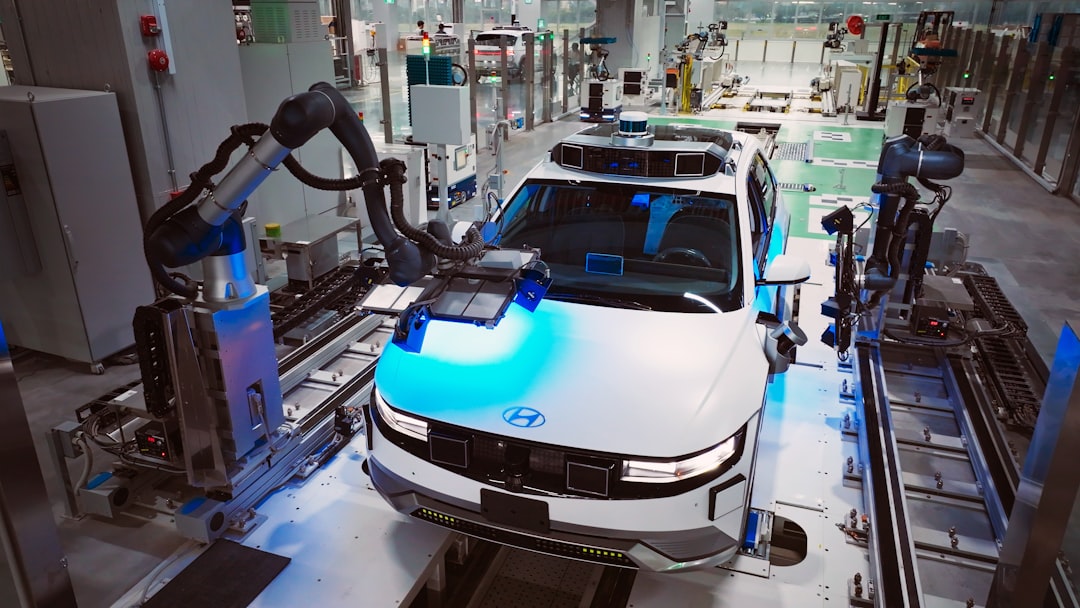
According to the company, the spending will go toward AI compute infrastructure, robotics development, and manufacturing capacity for their Optimus humanoid robot. Elon Musk has been promising that robotics will be bigger than Tesla's car business for years now. The problem? We're still waiting to see a working robot that can do more than slowly walk across a stage.
Here's my issue with this: Tesla is a car company that wants to be an AI company. The $25 billion spending spree comes at a time when automotive margins are under pressure, competition is heating up (especially from Chinese EV makers), and the Cybertruck rollout has been, let's be generous, bumpy. So the question becomes: is this a smart pivot to future growth, or is it throwing money at the next shiny thing while the core business struggles?
The bull case is that Tesla's data advantage—millions of cars on the road collecting real-world driving data—gives them an edge in AI training that nobody else has. And if Optimus actually works at scale, the addressable market is enormous. Factories, warehouses, even households could use humanoid robots.
The bear case is that we've heard Musk promise full self-driving is "next year" for the last decade. Robotaxi fleets were supposed to be everywhere by 2020. The Roadster 2.0 was announced in 2017 and still doesn't exist. Elon's timelines are more aspirational than actual.
For Tesla shareholders, this spending plan means one thing: expect lower profits in the near term while they burn cash on R&D. If you believe in the vision, great. But if you were hoping Tesla would start acting like a mature company and return cash to shareholders, this ain't it. As one Redditor put it: "Empty promises and fake timelines." I'm not saying they're wrong.