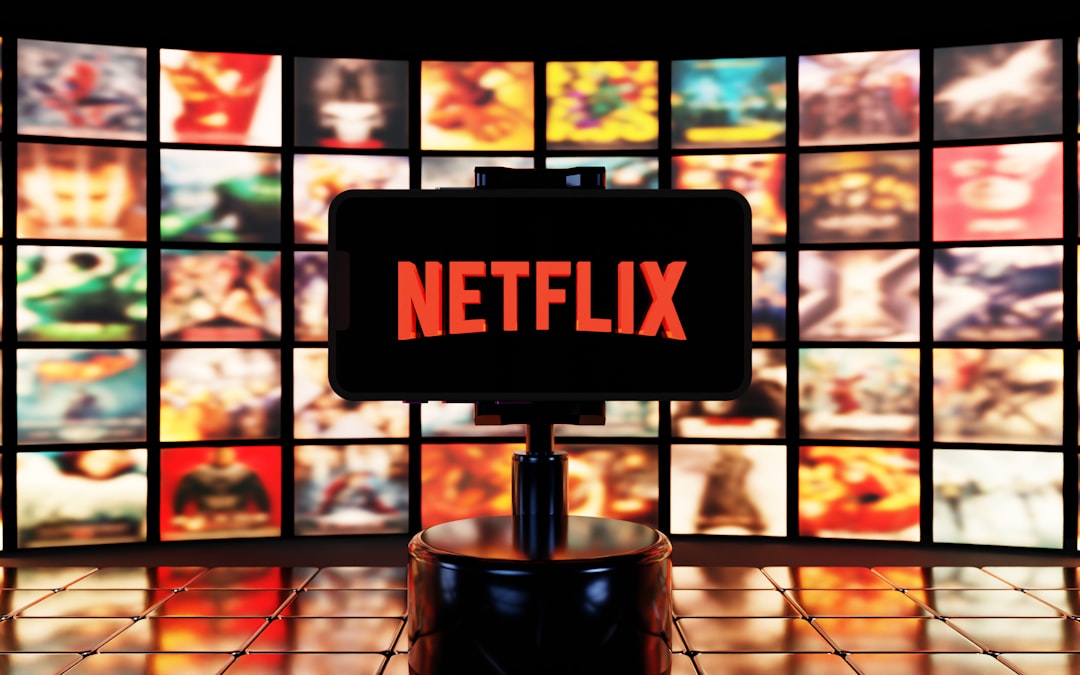
Netflix announced a $25 billion share buyback program, and if you hold NFLX in your 401(k) or brokerage account, you might be wondering what this actually means for you. Let me break it down in plain English.
A share buyback is when a company uses cash to buy its own stock on the open market. This reduces the number of shares outstanding, which means each remaining share owns a slightly bigger piece of the company. It's a way of returning cash to shareholders without paying a dividend. For Netflix, this is a massive vote of confidence—they're saying "we have more cash than we know what to do with, and we think our stock is a good investment."
The timing is interesting. Netflix has finally figured out how to make streaming profitable. They cracked down on password sharing, rolled out an ad-supported tier, and started licensing content instead of burning billions on originals nobody watches. Free cash flow is pouring in, and unlike the old Netflix that was always one bad quarter from a debt spiral, this version prints money.
So is this good news or bad news? It depends on how you look at it. The optimistic take: Netflix is confident in its business, has cash to spare, and wants to reward shareholders. Buybacks also tend to support the stock price, which is nice if you're holding shares.
The pessimistic take: buybacks can signal a company that doesn't have better ideas for growth. If Netflix thought it could invest this $25 billion into new shows, international expansion, or technology that would generate higher returns, they would. The fact that they're buying back stock instead suggests they've hit a ceiling. The streaming wars are mostly over, Netflix won, and now what?
For retail investors, this is generally a positive. Netflix has transformed from a growth stock into a cash-generating machine. If you're holding this in a retirement account, a buyback is better than watching them waste money on prestige projects. Just don't expect the explosive growth of the 2010s anymore. This is Netflix growing up, and buybacks are what grown-up companies do when they run out of worlds to conquer.