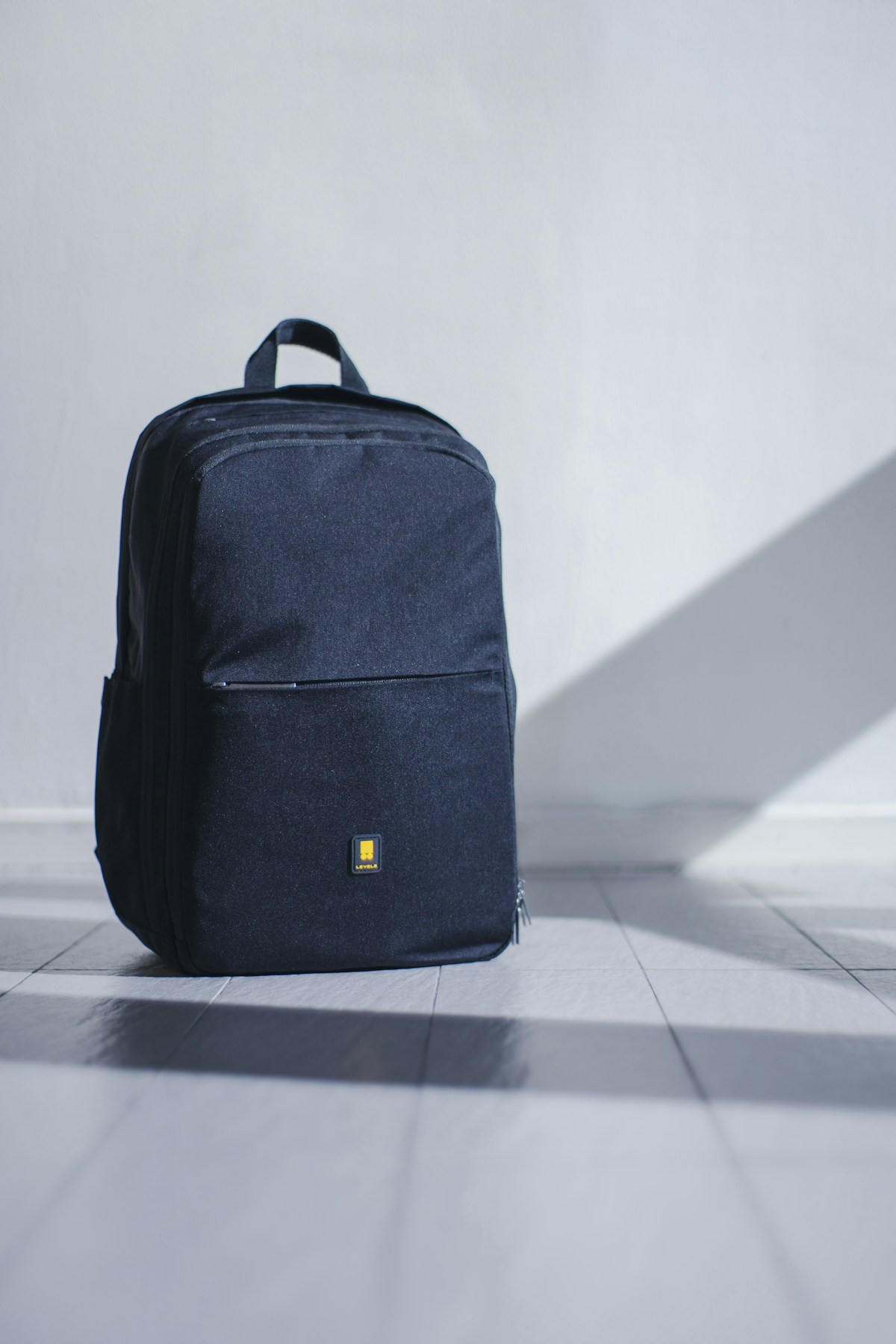
Travel gear enthusiasts are questioning whether high-end tech pouches justify their cost and bulk. The minimalist travel community argues that simple pencil cases, ziplock bags, or drawstring pouches do the job better—and save money.
The debate, sparked on r/onebag, challenges the gear maximalism that dominates travel YouTube and blogs. Premium tech pouches from brands like Peak Design, Bellroy, and Nomatic cost $30-80 and promise organization nirvana through clever compartments and cable management.
But lightweight travelers counter that structure is a bug, not a feature. Rigid tech pouches don't compress, creating dead space in already-tight packing. A simple pencil case or Peak Design's own ultralight pouches (which are unstructured) adapt to whatever you're carrying and squeeze into odd gaps.
The budget argument is even stronger. A $3 pencil case from Target or a handful of ziplock bags provide 90% of the organization for 5% of the cost. For travelers watching every dollar—especially those doing extended trips through Southeast Asia or Latin America—that $50-75 saved on a tech pouch is two weeks of meals in Vietnam.
The thread identified other overrated travel accessories:
Packing cubes drew mixed reactions. Some swear by them for organization; others argue they add weight and that simply rolling clothes achieves the same compression. Ultralight packing cubes from brands like Eagle Creek have fans, but standard versions often weigh more than their contents.
Neck wallets and money belts got roasted mercilessly. Multiple travelers noted that nothing screams "rob me, I'm carrying valuables" like obviously wearing a money belt. Modern alternatives include RFID-blocking phone cases with card slots or simply using a normal wallet and being situationally aware.
Travel pillows (the U-shaped neck variety) were called "bulky and useless." Better alternatives: a stuff sack filled with soft clothes, an inflatable camping pillow, or just using the airline pillow and accepting it's mediocre.