Budget European airlines are increasingly strict about carry-on luggage, with travelers reporting that even regulation-sized bags are being forced into paid check-in. As low-cost carriers dominate intra-Europe routes, understanding baggage policies has become essential to avoiding surprise fees that can double ticket costs.
A digital nomad recently posed the question plaguing European travelers: "If you do have a backpack and a carry-on size wheeled bag and travel around Europe on all those budget airlines, is it likely that even with carry-on luggage that you still will need to pay for it so might as well check it in?"
The short answer from experienced travelers: yes, you'll probably pay - but the strategy matters.
Budget carriers like Ryanair, EasyJet, and Wizz Air have perfected the art of unbundling services. Base fares look attractively cheap until you add luggage, seat selection, and other "extras" that used to be standard. The result can be ticket costs that rival traditional carriers once everything is factored in.
The baggage situation breaks down into tiers:
"Personal item" (free): One small bag that fits under the seat, typically 40x20x25cm. This is genuinely free but won't fit much beyond a laptop and essentials.
"Cabin bag" (usually requires payment): Standard carry-on size (55x40x20cm) for the overhead bin. Most budget airlines now charge for this, typically €10-30 depending on route and booking timing.
Checked baggage (expensive): Costs vary wildly, from €15-70 depending on airline, route, and when you add it. Prices increase dramatically if added at the airport versus during booking.
The enforcement has gotten stricter. Gate agents measure bags and weigh them more frequently than before. Travelers report being forced to check bags that technically meet size requirements but appear overstuffed or rigid.
Several strategies from experienced European budget airline travelers:
Pay for priority boarding with cabin bag upfront. If you're bringing more than a personal item, factor this cost into your initial ticket price comparison. It's almost always cheaper than paying at the gate.
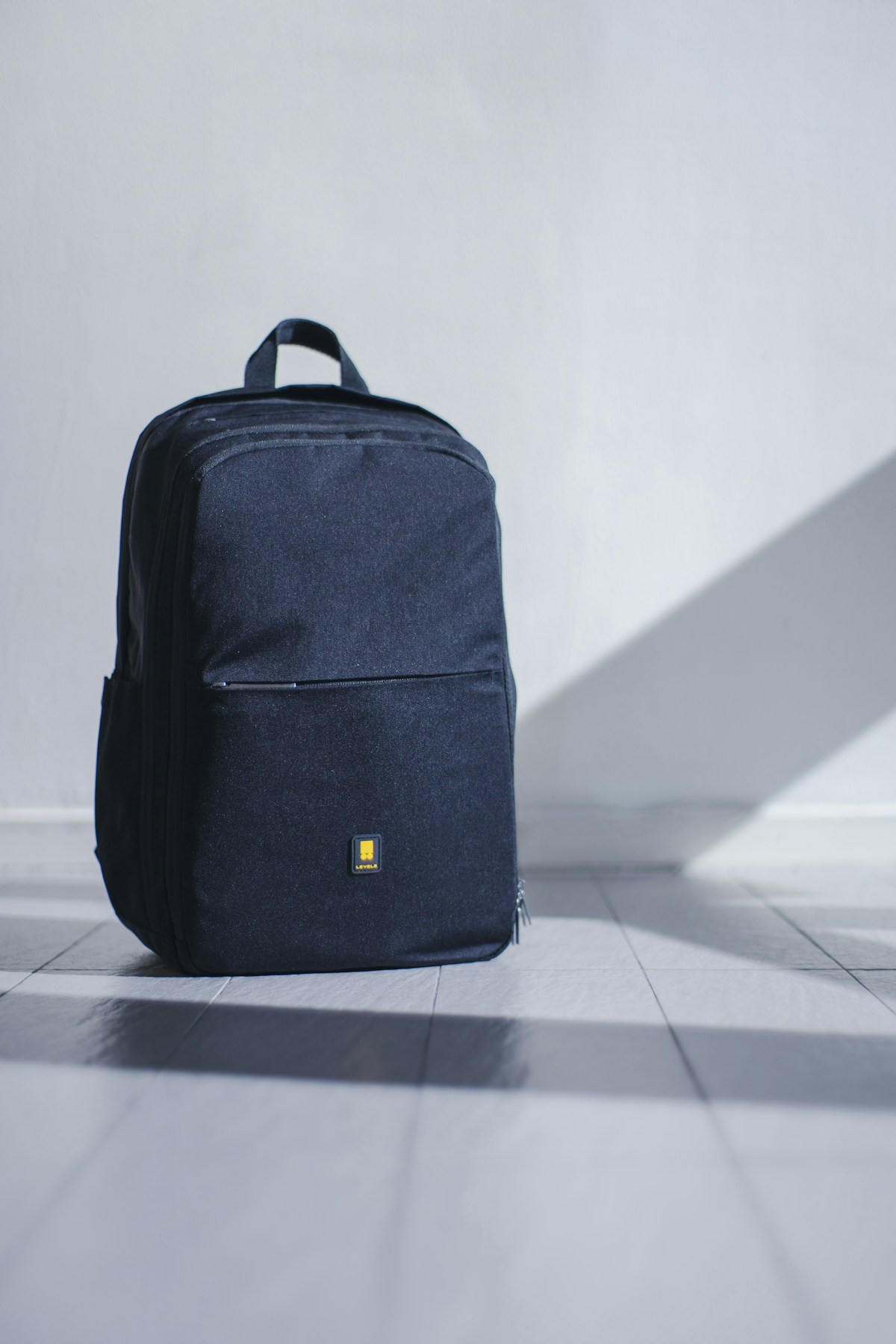
Master the personal item size. Modern travel backpacks are designed to maximize the personal item dimensions. A well-packed 40-liter backpack can fit surprising amounts while meeting size requirements.
Wear your bulkiest items. Heavy jacket, boots, and items in pockets don't count toward luggage limits. You'll look ridiculous walking through warm airports, but you'll save money.
Book checked baggage in advance if you need it. Paying during booking costs far less than paying at the airport. If you know you'll need it, just include it from the start.
Compare total costs, not base fares. A "cheap" Ryanair flight plus baggage fees might cost more than a slightly pricier traditional carrier with included luggage.
The situation has created an entire cottage industry of luggage designed to maximize airline loopholes. Backpacks marketed as "personal item sized" or "underseat compatible" proliferate on Amazon and travel gear sites.
For digital nomads and long-term travelers, the calculus differs from weekend tourists. Staying under personal item limits for months of travel requires serious minimalism - but the savings on dozens of flights add up significantly.
Some travelers report success with a hybrid approach: travel ultra-light within Europe on budget airlines, but use traditional carriers or trains for segments where you need more gear.
The underlying issue: budget airlines have optimized pricing to capture travelers who don't read fine print. The €19 fare looks amazing until you add €25 for luggage, €15 for seat selection, and €8 for online check-in. Suddenly that €19 ticket costs €67.
Traditional carriers have noticed and started offering "basic economy" fares that mimic budget airline restrictions. The result: knowing airline baggage policies has become essential travel knowledge, not optional reading.
The current state of European budget airline baggage:
Ryanair: Only free bag is 40x20x25cm personal item. Standard carry-on requires Priority (€6-30) or 10kg Check-In Bag (€12-70).
EasyJet: One small bag free (45x36x20cm). Larger cabin bag requires Up Front or Extra Legroom seats, or can be added for €6-32.
Wizz Air: Free 40x30x20cm personal item. Cabin bag requires Priority (€4-50) or separate purchase (€12-60).
These prices fluctuate constantly based on route popularity and how far in advance you book.
The broader trend: expect this to get worse before it gets better. Airlines have discovered that unbundling generates more revenue than all-inclusive pricing. As long as base fares attract clicks, the hidden fees will continue.
For travelers, the lesson is clear: budget airlines aren't automatically cheaper - they're cheaper if you play by their rules. Master personal item packing, pay for necessary add-ons during booking, and compare total costs rather than base fares.
The best travel isn't about the destination - it's about what you learn along the way. And in Europe, you learn to pack light or pay up.